Jade Bahr
Members
-
Joined
-
Last visited
Everything posted by Jade Bahr
-
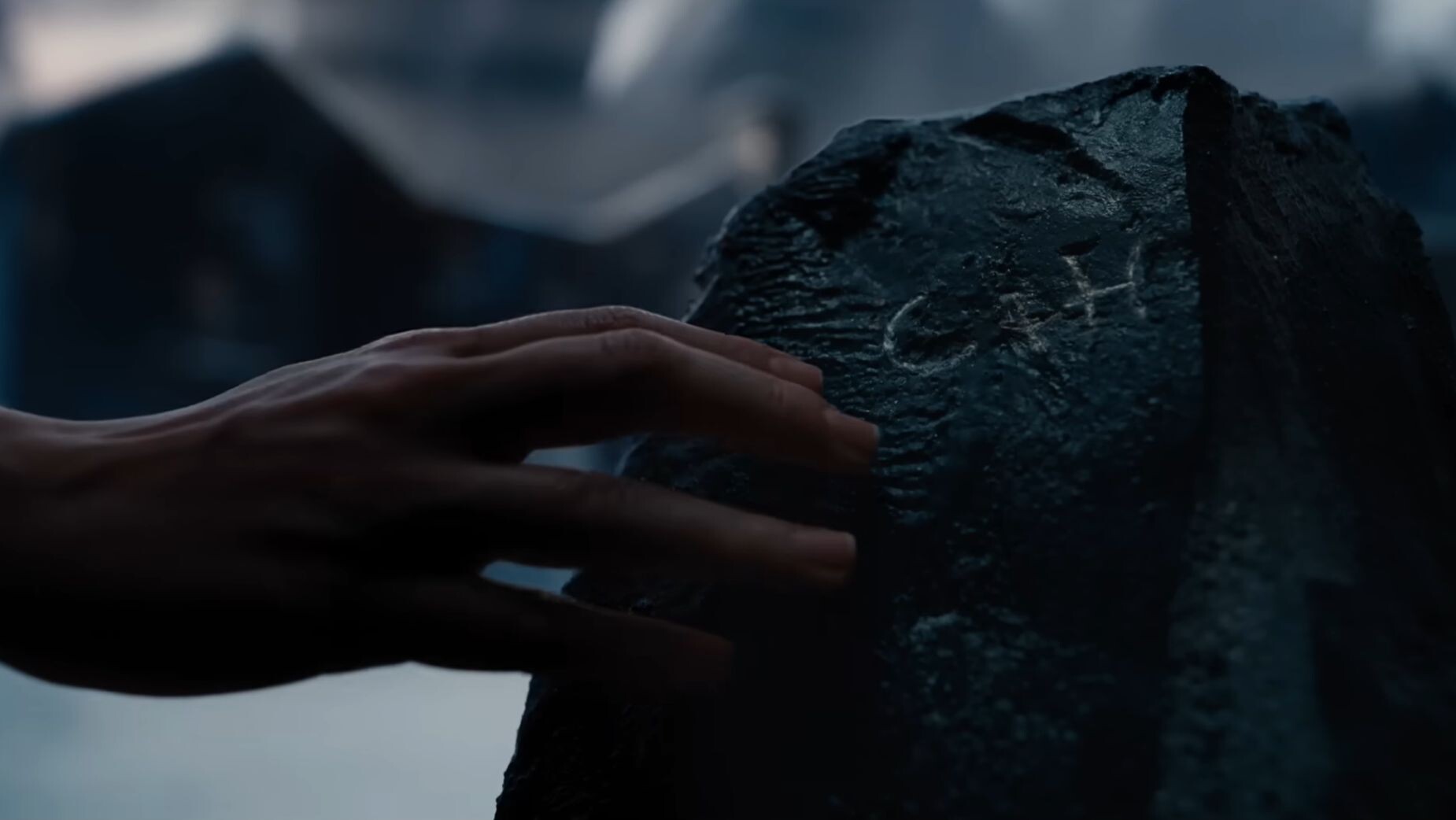
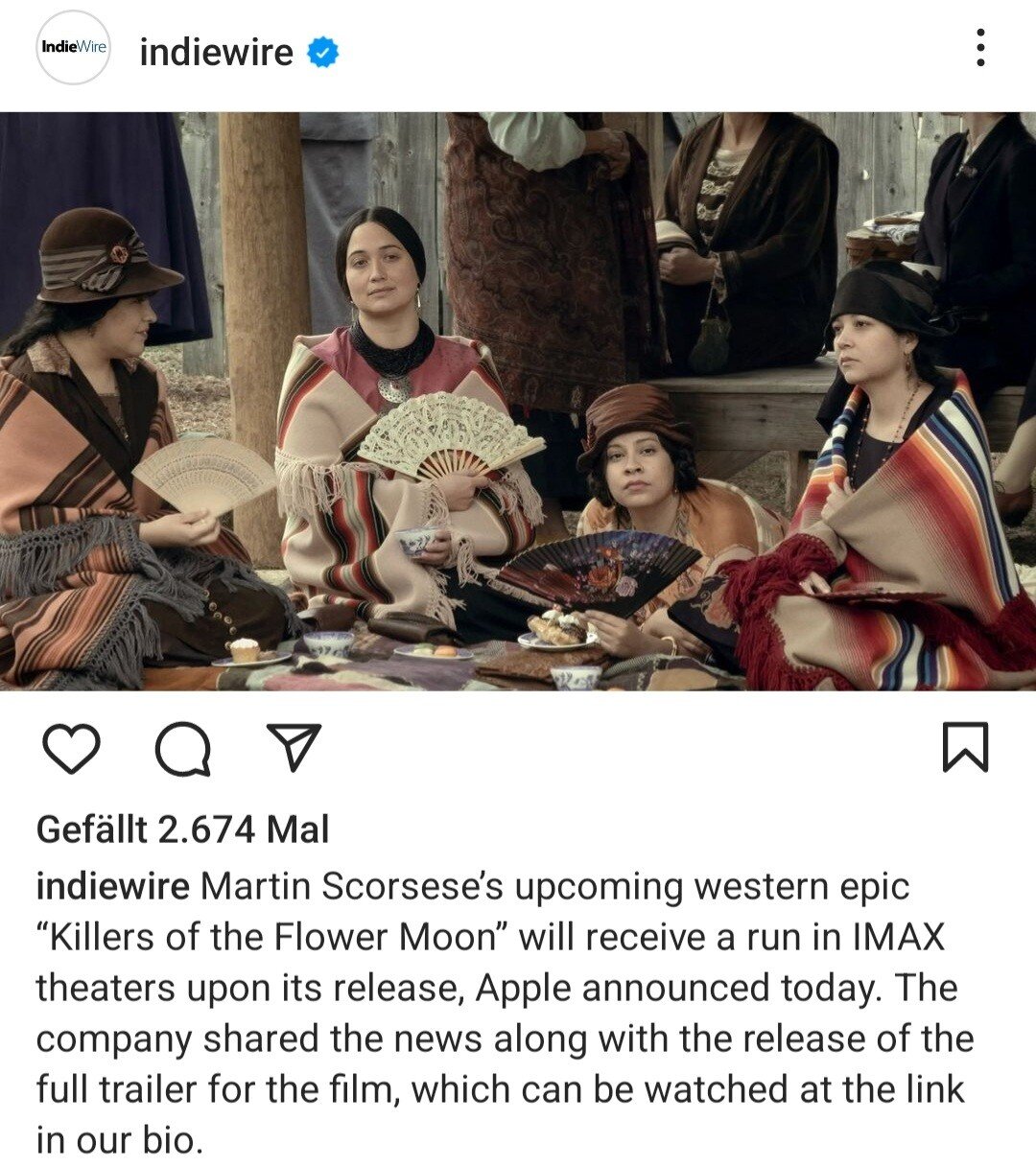
 The movie will also been shown in IMAX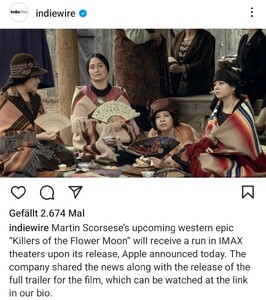
-
Awesome Thx for sharing 😍
-
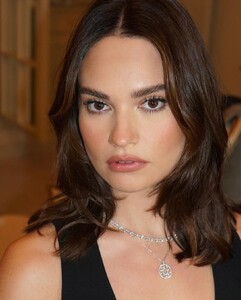
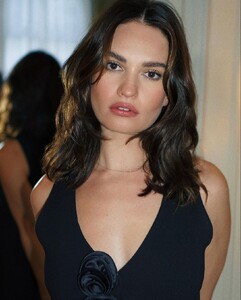
for 'only natural diamonds'
-
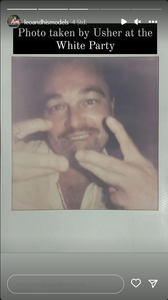
Our favorite white wannabe gangsta LOL 🤍
 2nd KOTFM TRAILER!!!!!!!!!!!!!!!!!!!!!!!!!!!!!!!!!! In short: Epic
Oscars: Gold Derby’s First Best Picture Rankings Has ‘Killers of the Flower Moon’ in the Lead It’s July, which means Gold Derby has opened up its Oscar predicting area for pundits and fans. The first Best Picture results are in and Martin Scorsese’s “Killers of the Flower Moon” is ahead of the pack at #1. Will it stay there? It could also land DiCaprio, De Niro and Gladstone acting noms. Ditto Scorsese being honored in the directing category. The critically acclaimed “Past Lives” is #2. I’m not quite sure I’d have “The Color Purple” (#3) that high — I am purely basing this assessment on the mixed reactions its received at test screenings and that god awful trailer. The others, listed at the end of this article, look about right. There are, of course, a lot of question marks, a few of which might actually be answered this month when “Barbie” and “Oppenheimer” get released. Possible contending films that have been screened so far this year include “Killers of the Flower Moon,” “Past Lives,” “Spider-Man: Across the Spider-Verse,” “Anatomy of a Fall,” “The Zone of Interest” and “Air.” The fall festival circuit begins in two months, and with that will come verdicts on anticipated titles such as “Saltburn,” “Maestro,” “The Holdovers,” and “Poor Things.” There will also likely be some under-the-radar gems that’ll appear out of nowhere — it happens practically every awards season. Here’s the Gold Derby top 15: Too early but still
Back and forth and forth and back 😄
2nd KOTFM TRAILER!!!!!!!!!!!!!!!!!!!!!!!!!!!!!!!!!! In short: Epic
Oscars: Gold Derby’s First Best Picture Rankings Has ‘Killers of the Flower Moon’ in the Lead It’s July, which means Gold Derby has opened up its Oscar predicting area for pundits and fans. The first Best Picture results are in and Martin Scorsese’s “Killers of the Flower Moon” is ahead of the pack at #1. Will it stay there? It could also land DiCaprio, De Niro and Gladstone acting noms. Ditto Scorsese being honored in the directing category. The critically acclaimed “Past Lives” is #2. I’m not quite sure I’d have “The Color Purple” (#3) that high — I am purely basing this assessment on the mixed reactions its received at test screenings and that god awful trailer. The others, listed at the end of this article, look about right. There are, of course, a lot of question marks, a few of which might actually be answered this month when “Barbie” and “Oppenheimer” get released. Possible contending films that have been screened so far this year include “Killers of the Flower Moon,” “Past Lives,” “Spider-Man: Across the Spider-Verse,” “Anatomy of a Fall,” “The Zone of Interest” and “Air.” The fall festival circuit begins in two months, and with that will come verdicts on anticipated titles such as “Saltburn,” “Maestro,” “The Holdovers,” and “Poor Things.” There will also likely be some under-the-radar gems that’ll appear out of nowhere — it happens practically every awards season. Here’s the Gold Derby top 15: Too early but still
Back and forth and forth and back 😄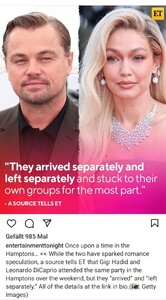 Secret project still going on
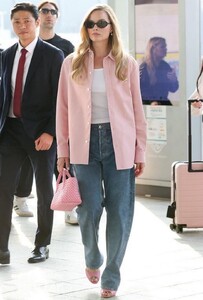
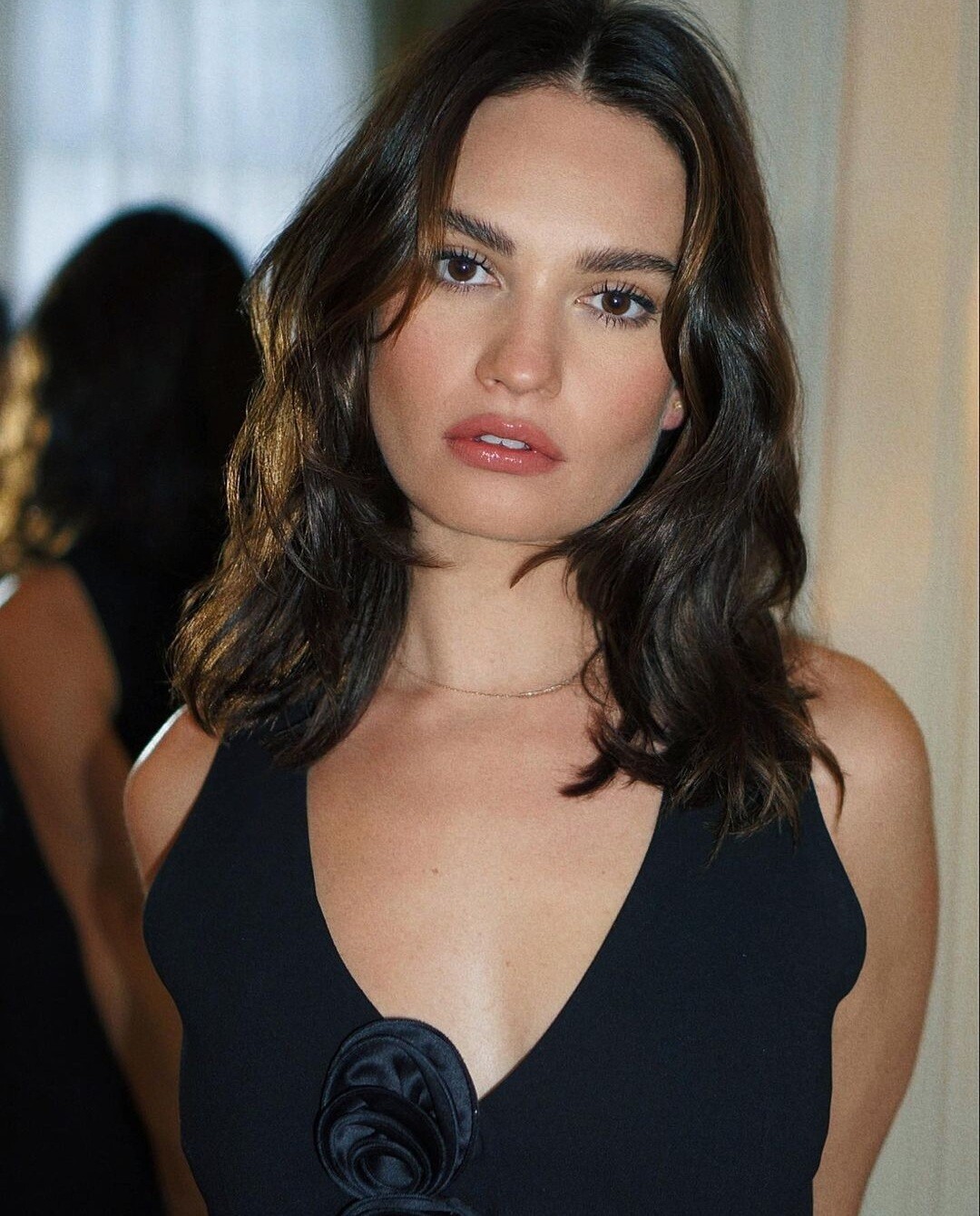
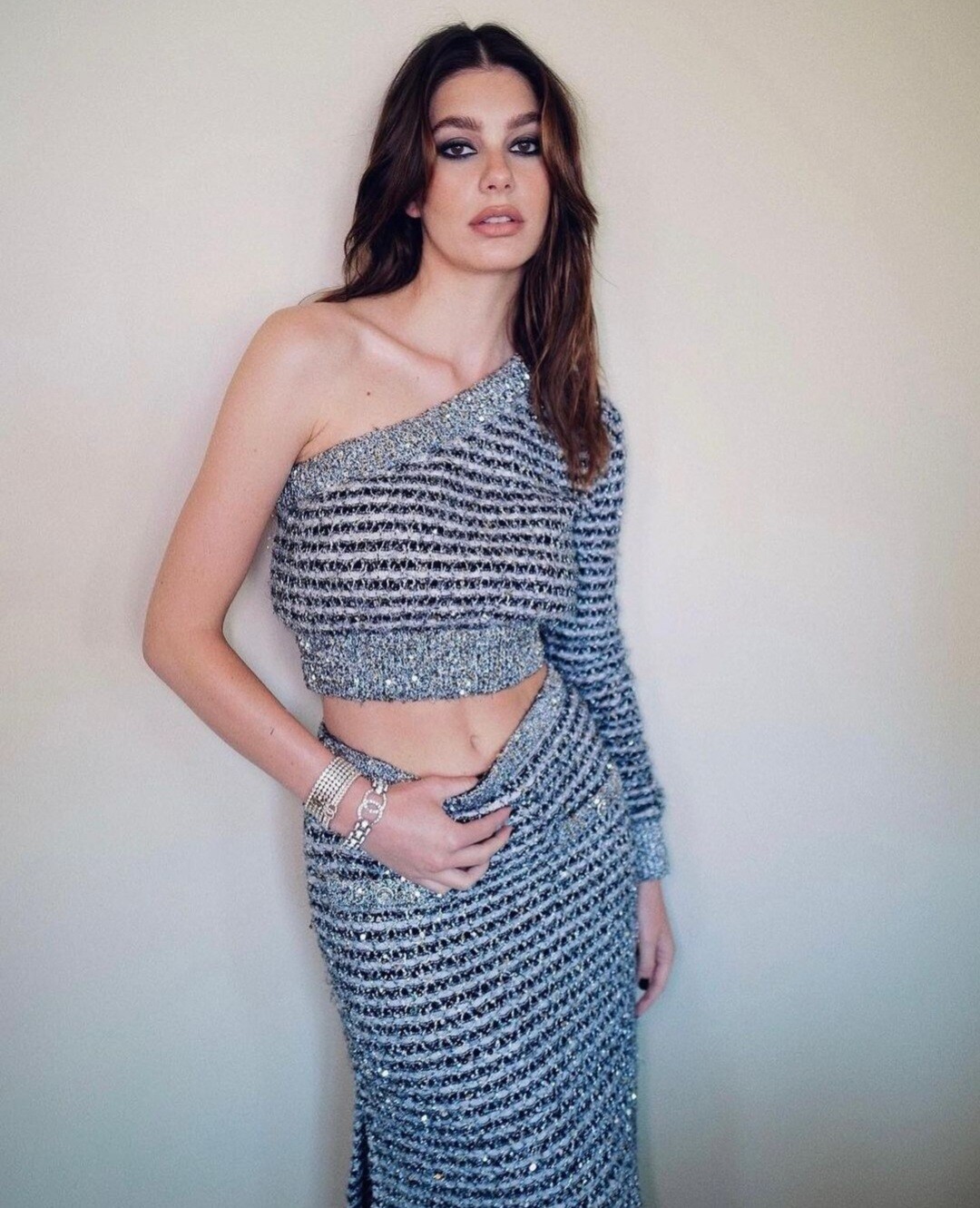
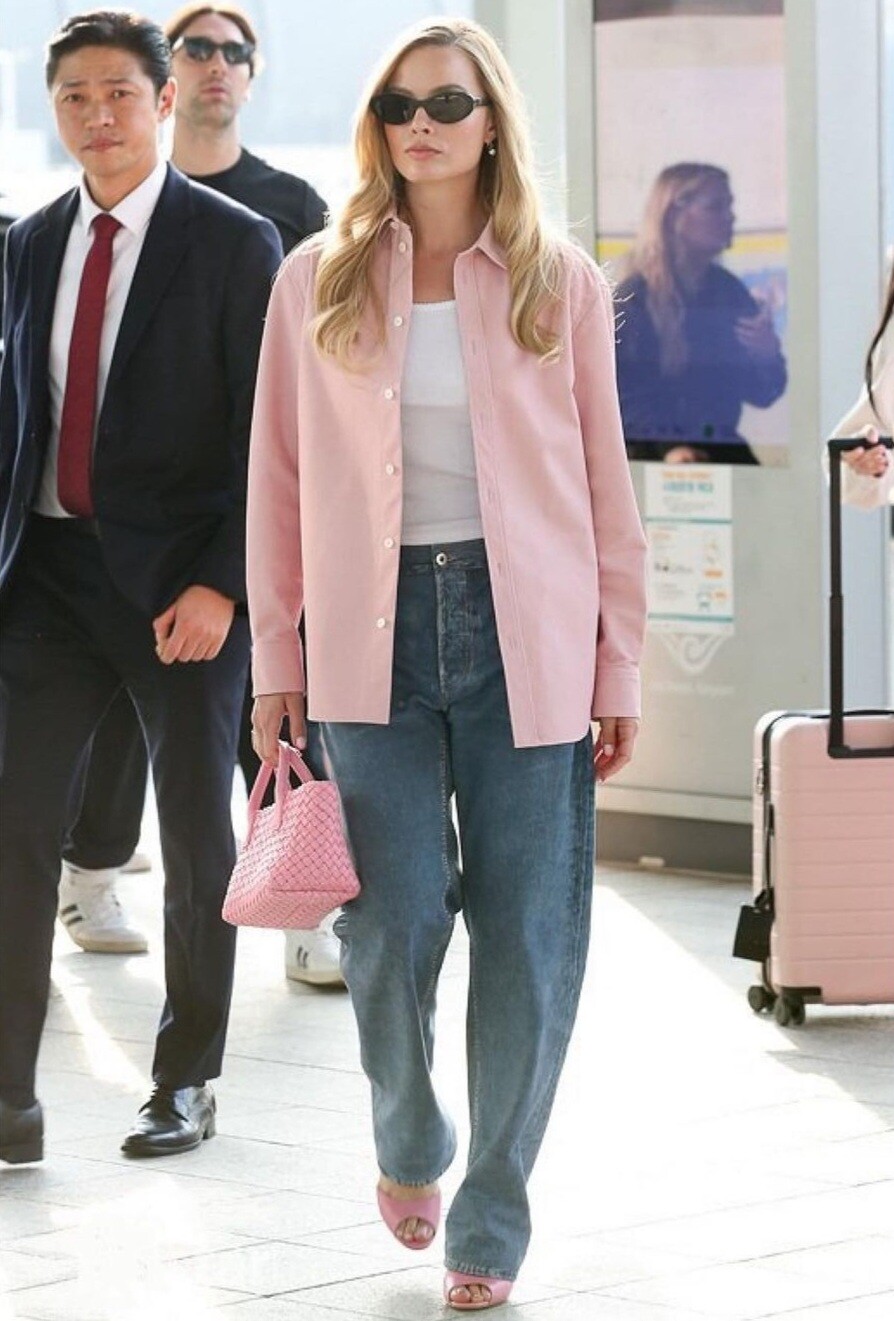
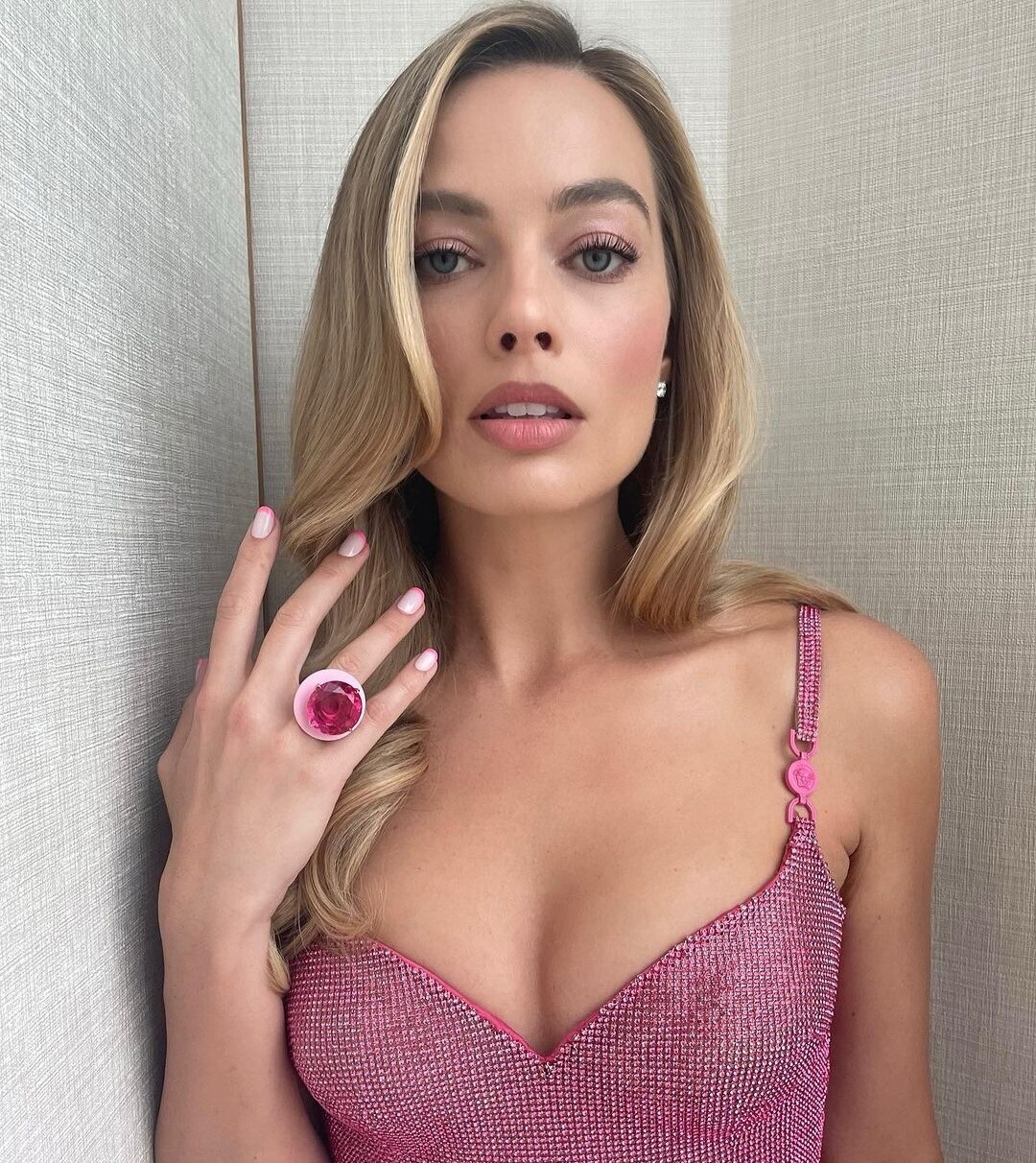
 Love everything about this look 💗 Margot in Bottega Veneta
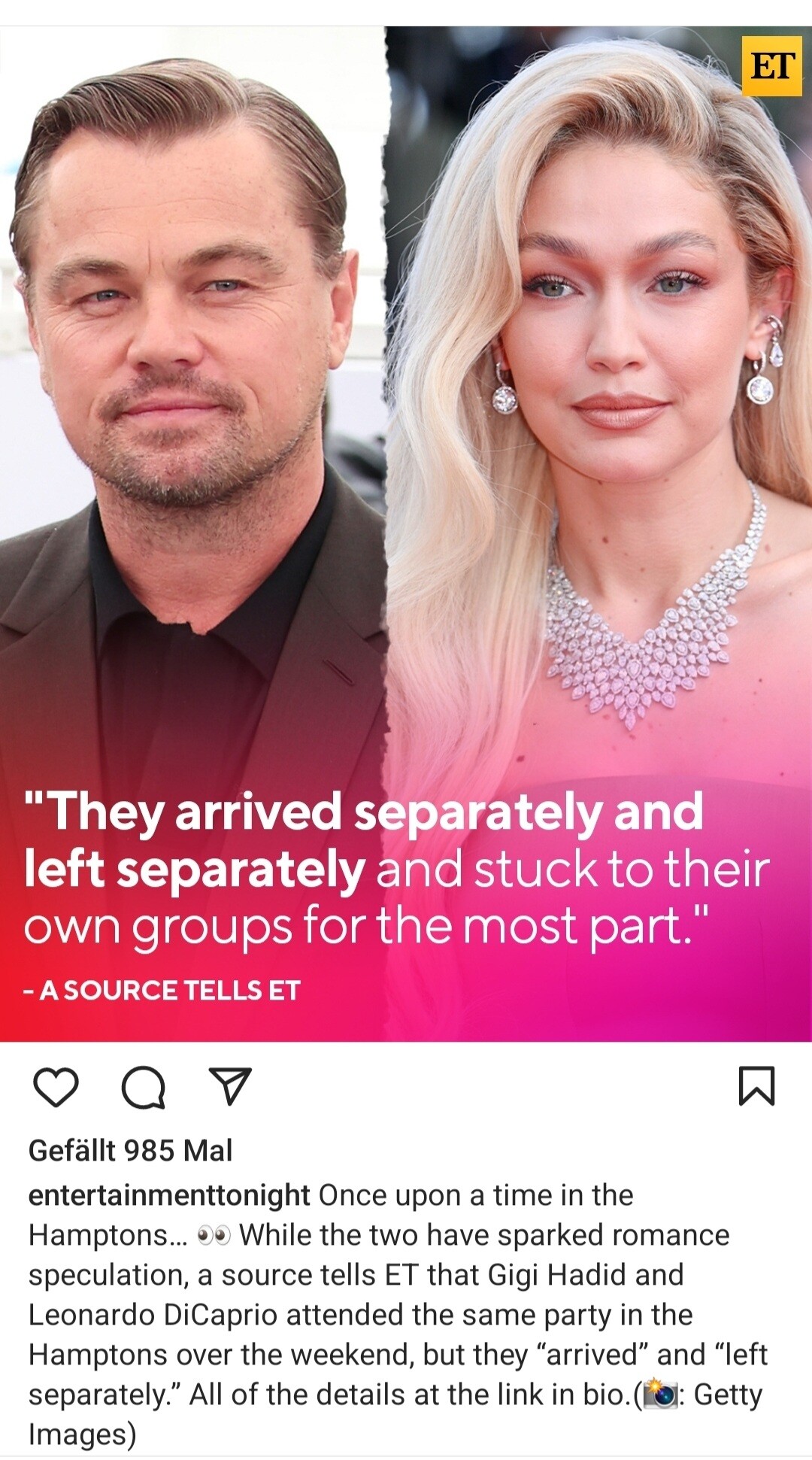
 German BILD is very enthusiastic about Leo and Gigi 😄 via page six Leonardo DiCaprio and Gigi Hadid: 'They are together' After spotting Leonardo DiCaprio and Gigi Hadid partying together in the Hamptons for a second night in a row, a spy told Page Six: “They are together.” After we reported the pair had “a vibe” while hanging at a bash in the Hamptons on Saturday night, we’re told they were at another party together on Sunday. A source tells us they spotted the “Great Gatsby” actor, 48, and 28-year-old model at Tao Group founder Marc Packer’s Fourth of July party. We’re told they were with a group that included The Ned’s Richie Akiva, entrepreneur Bert Hedaya, Danny Abeckaser, and Hadid pal Leah McCarthy. Later, DiCaprio and Hadid were spotted at Akiva and Garry Kanfer’s bottle-service fueled bash at Kissaki in Water Mill. A spy tells us the pair were hanging out and bopping to tunes from deejays JusSke, Rachel Winter and Zach Bia, saying that it seems as if they are dating. “They are together,” the witness insisted after watching them interact. Page Six previously reported that DiCaprio and Hadid were spending time together this weekend. On Saturday, they were seen chatting it up at tech guru David Rosenberg’s annual bash in Bridgehampton. A witness told Page Six there was a “vibe” between the two. “The way they were talking to each other. . . You could feel the energy,” said the spy. Another source tells Page Six that DiCaprio and Hadid are part of the same friend group. The good looking duo first sparked dating rumors during Fashion Week in New York City in September 2022.
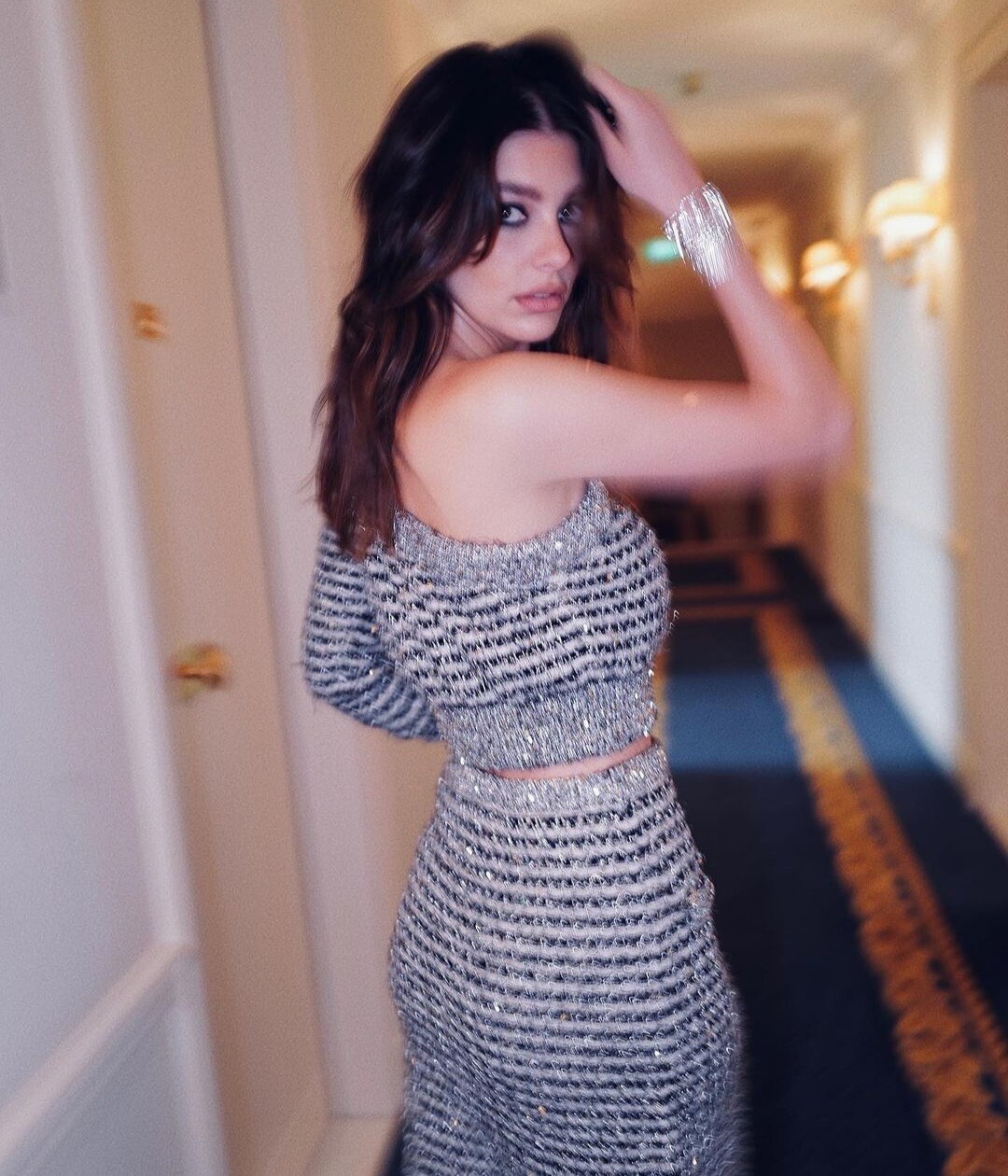
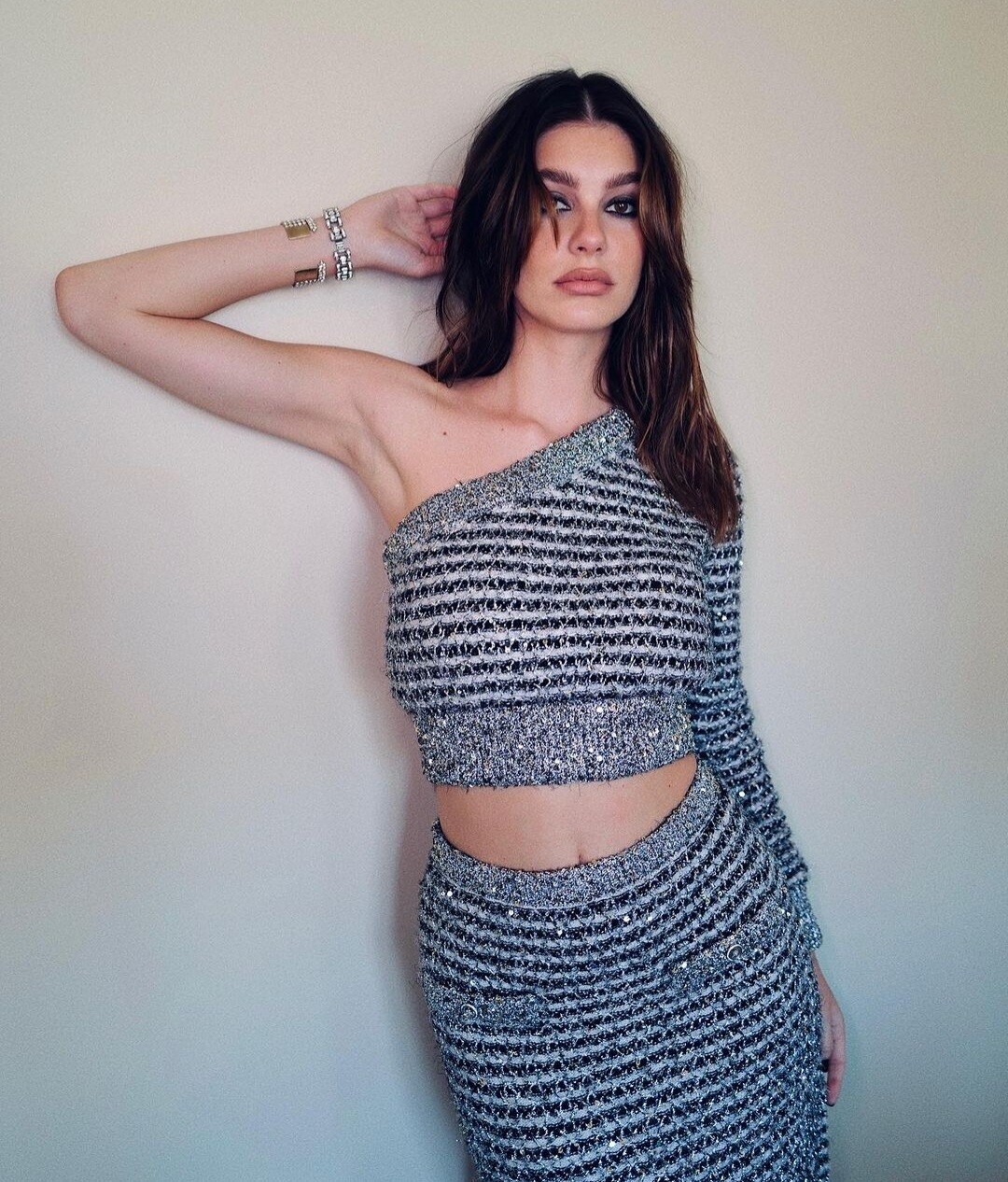
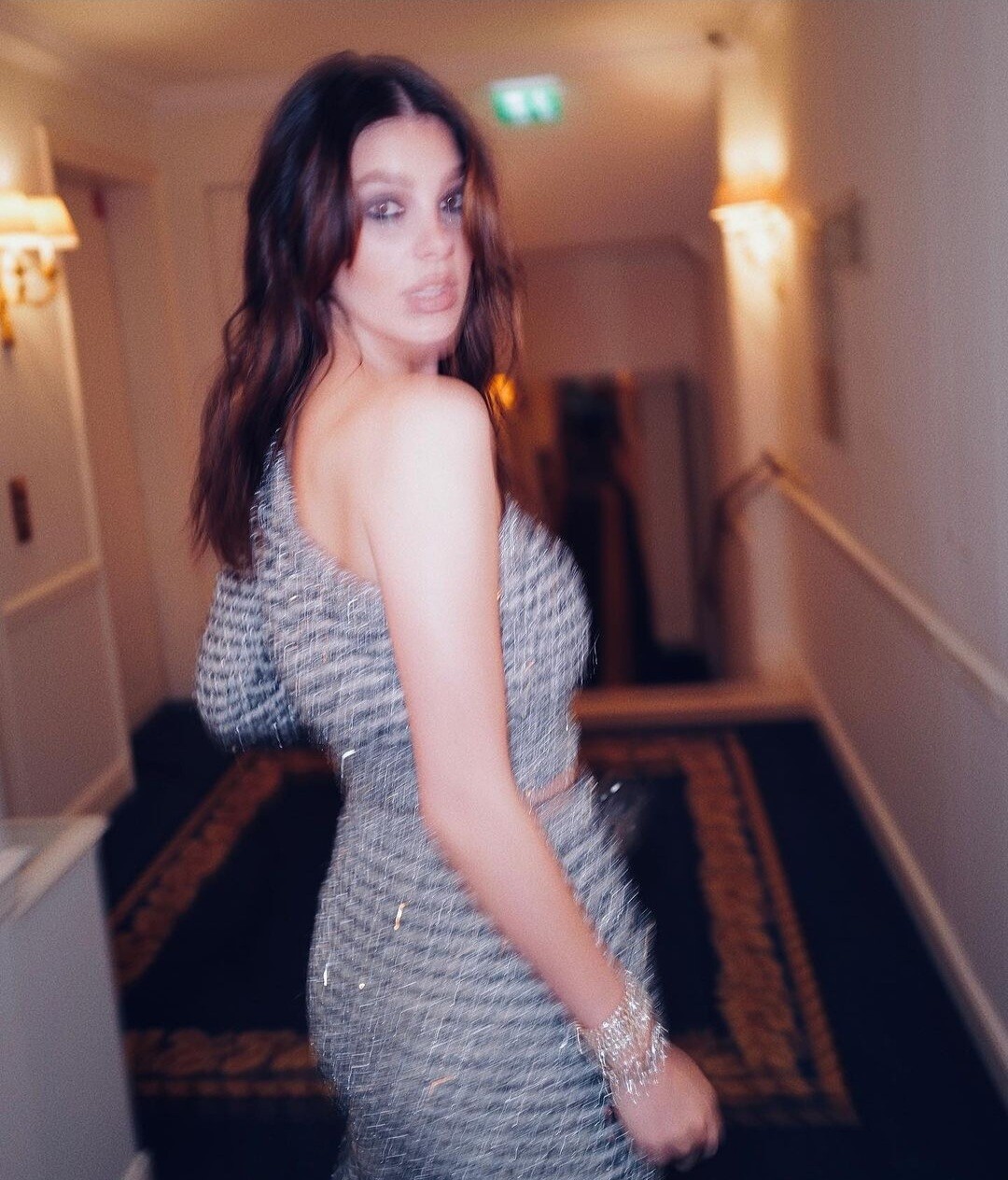
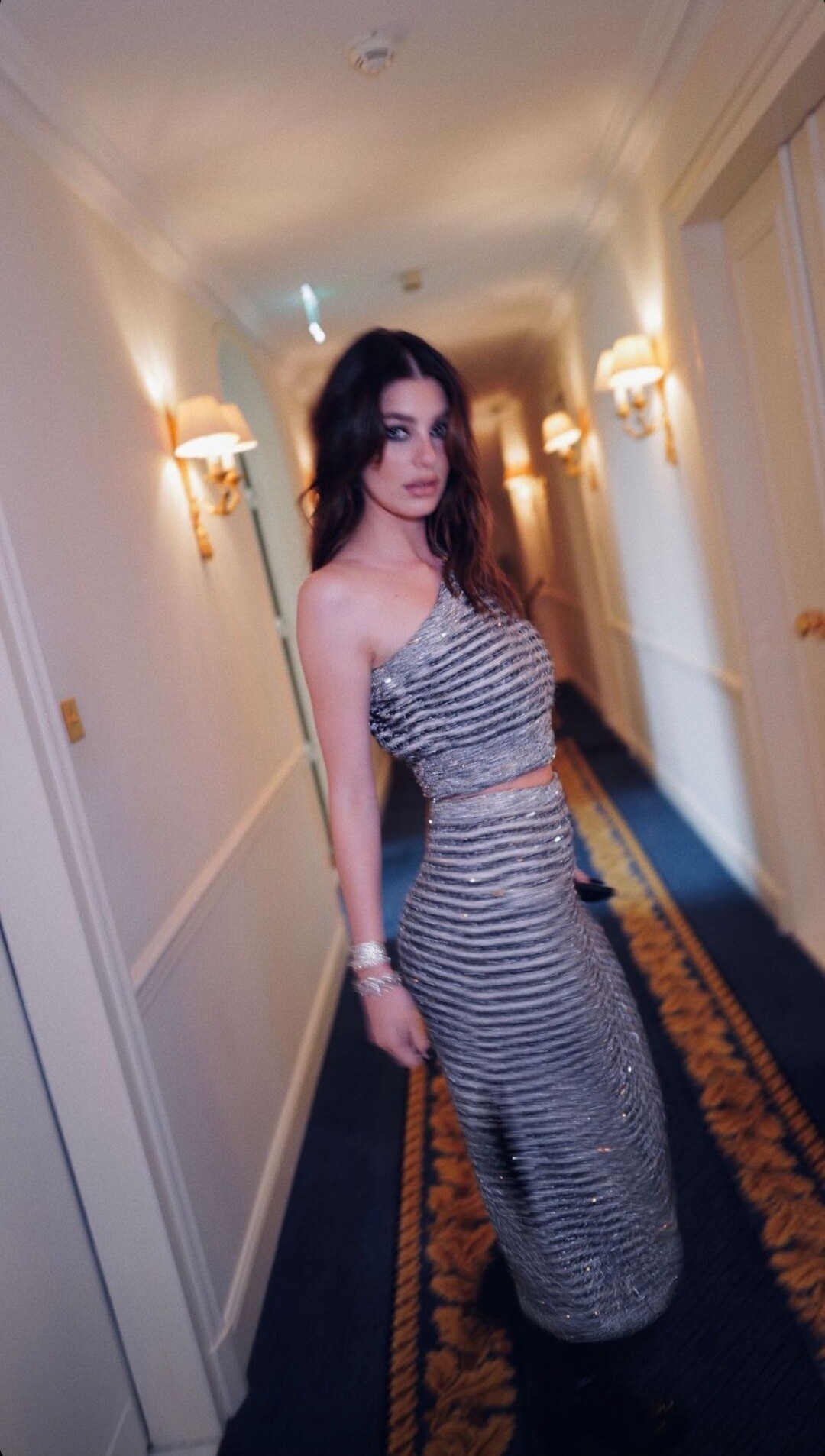
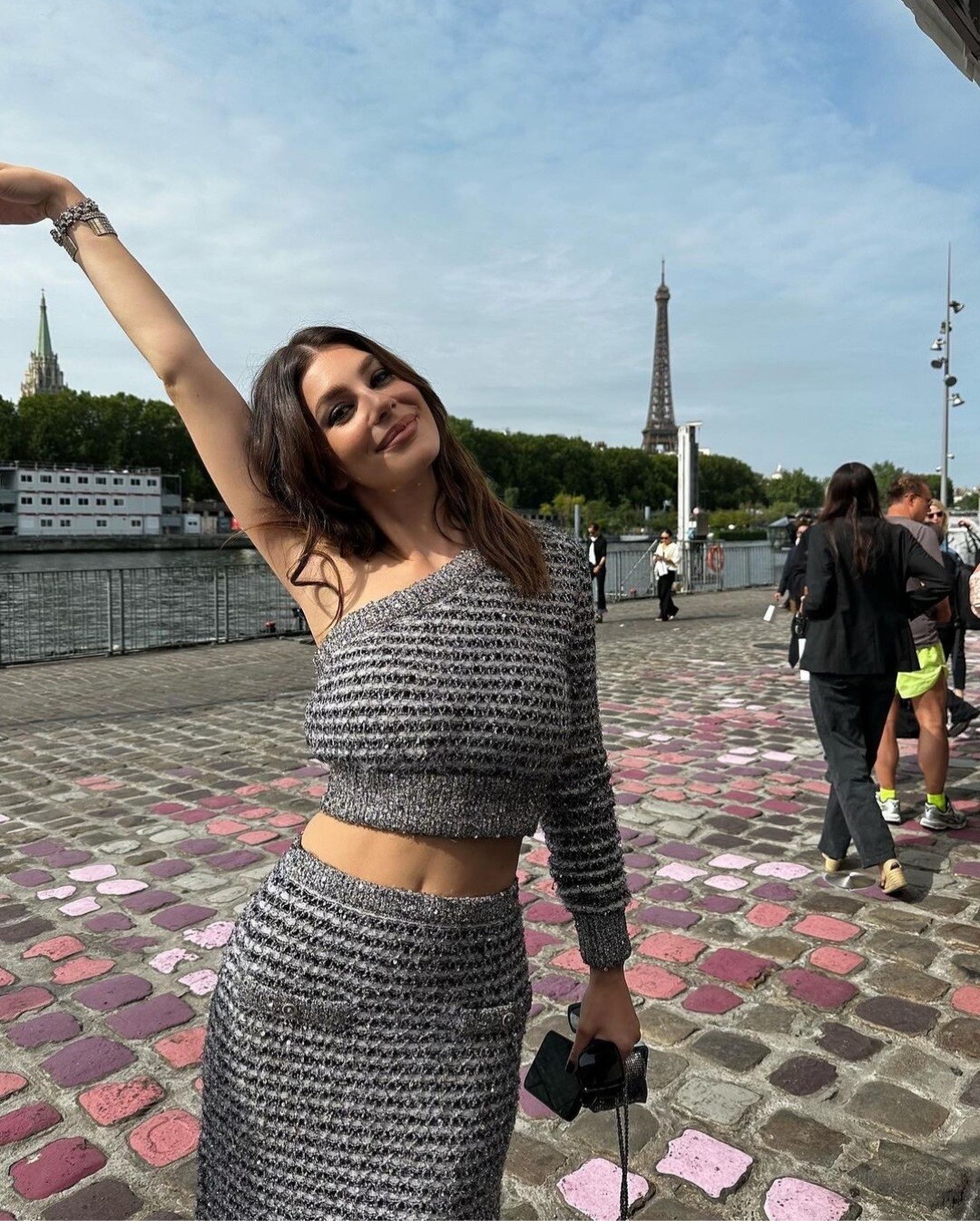
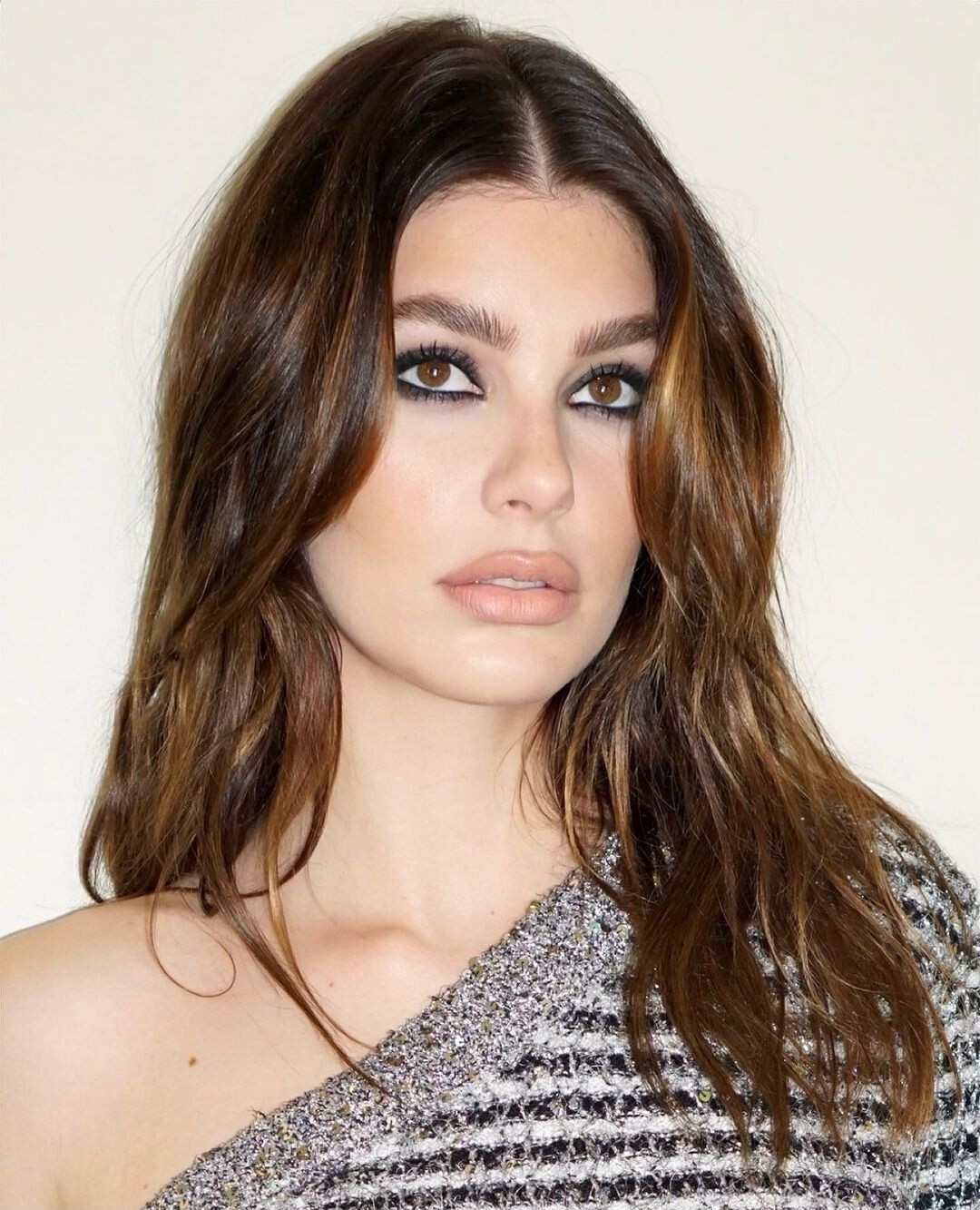
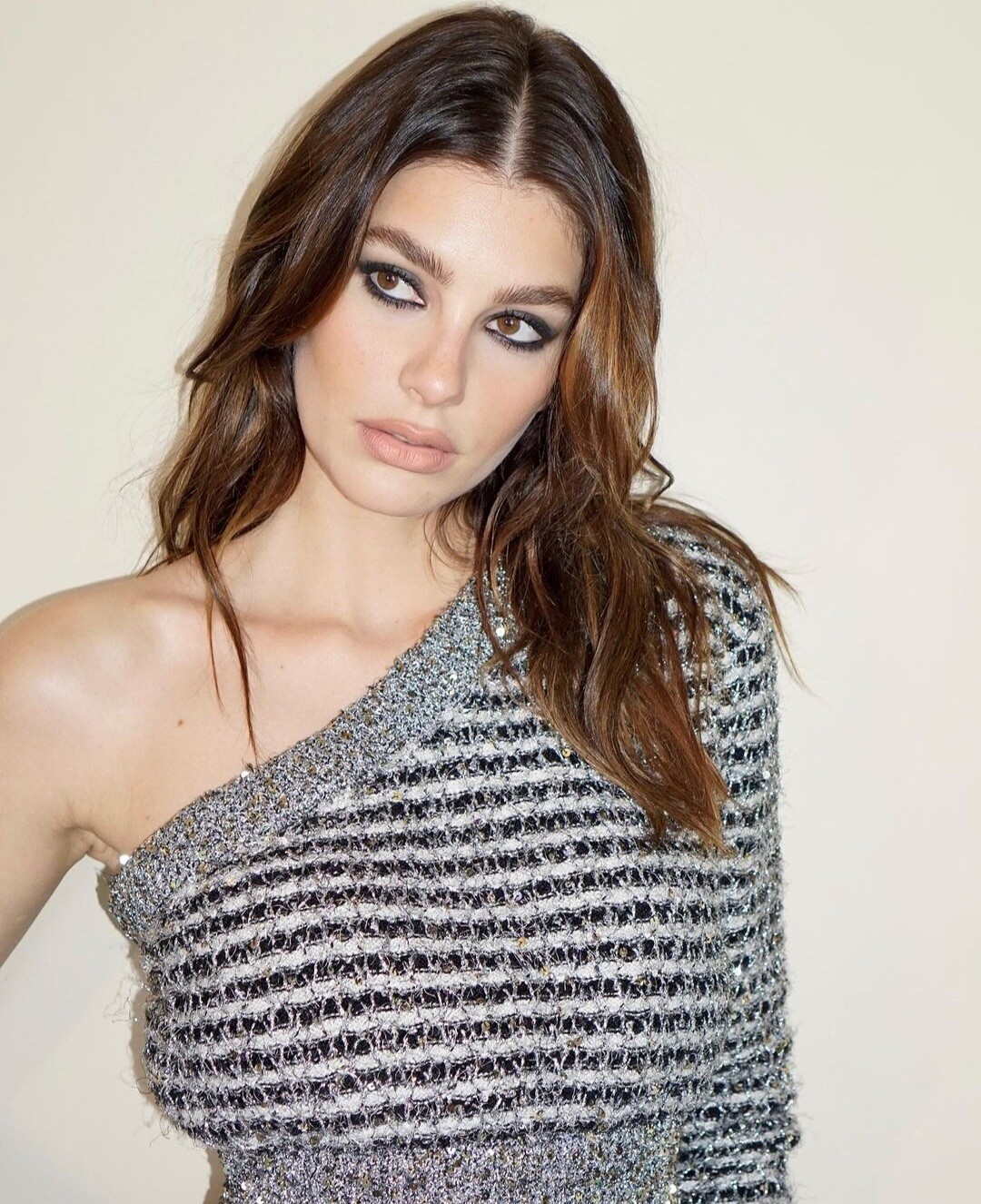
for Chanel credit to Valeria Ferreira
German BILD is very enthusiastic about Leo and Gigi 😄 via page six Leonardo DiCaprio and Gigi Hadid: 'They are together' After spotting Leonardo DiCaprio and Gigi Hadid partying together in the Hamptons for a second night in a row, a spy told Page Six: “They are together.” After we reported the pair had “a vibe” while hanging at a bash in the Hamptons on Saturday night, we’re told they were at another party together on Sunday. A source tells us they spotted the “Great Gatsby” actor, 48, and 28-year-old model at Tao Group founder Marc Packer’s Fourth of July party. We’re told they were with a group that included The Ned’s Richie Akiva, entrepreneur Bert Hedaya, Danny Abeckaser, and Hadid pal Leah McCarthy. Later, DiCaprio and Hadid were spotted at Akiva and Garry Kanfer’s bottle-service fueled bash at Kissaki in Water Mill. A spy tells us the pair were hanging out and bopping to tunes from deejays JusSke, Rachel Winter and Zach Bia, saying that it seems as if they are dating. “They are together,” the witness insisted after watching them interact. Page Six previously reported that DiCaprio and Hadid were spending time together this weekend. On Saturday, they were seen chatting it up at tech guru David Rosenberg’s annual bash in Bridgehampton. A witness told Page Six there was a “vibe” between the two. “The way they were talking to each other. . . You could feel the energy,” said the spy. Another source tells Page Six that DiCaprio and Hadid are part of the same friend group. The good looking duo first sparked dating rumors during Fashion Week in New York City in September 2022.
for Chanel credit to Valeria Ferreira
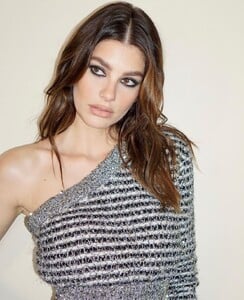 Dying over her nails and everything else 💅😍 credit to pati dubroff
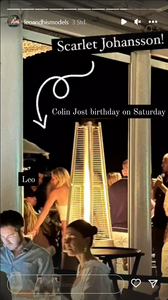
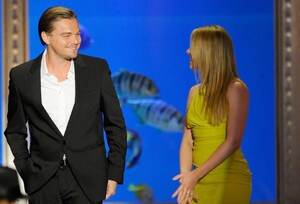
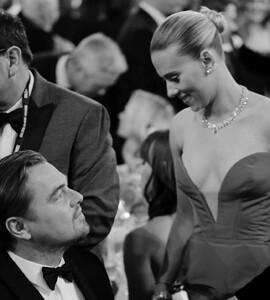
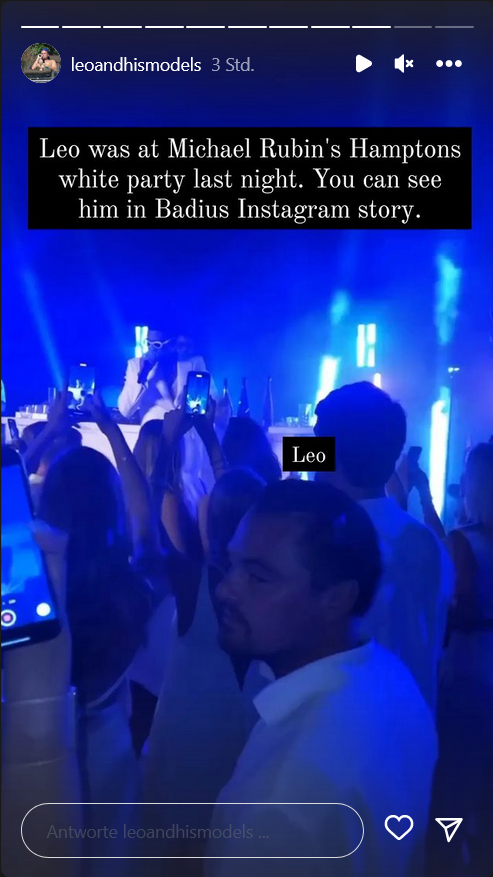
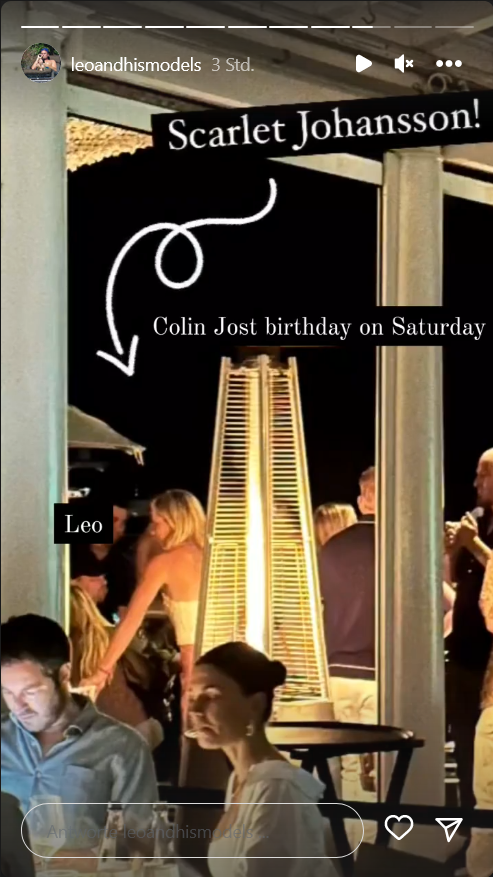
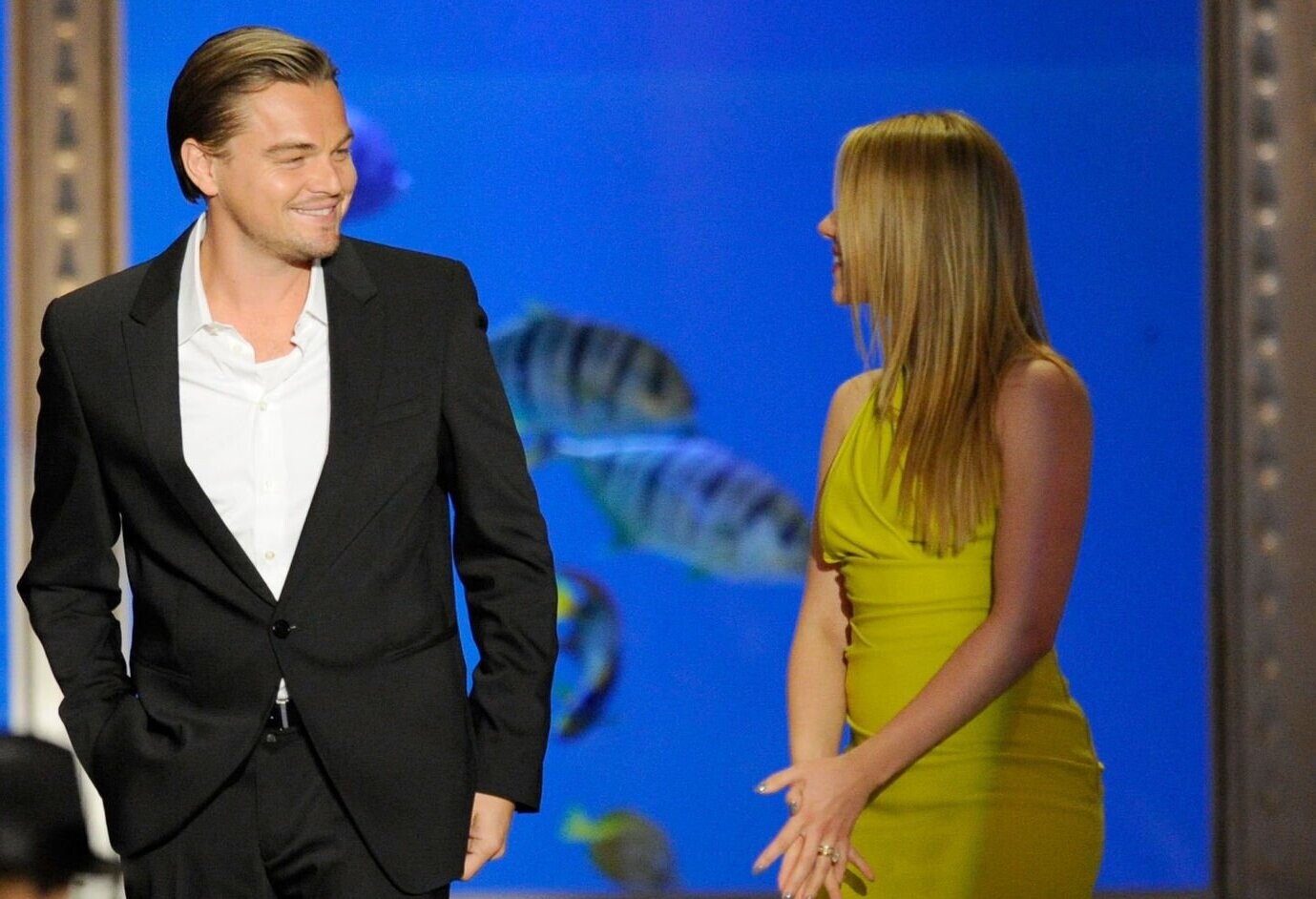
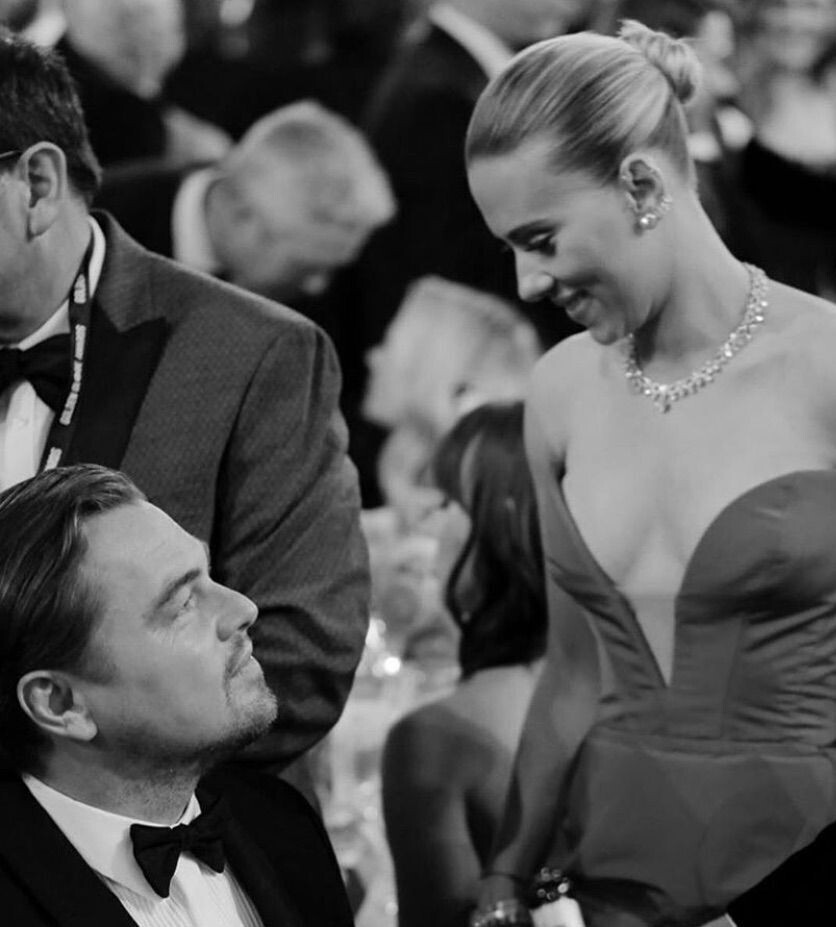
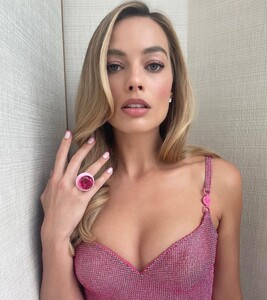 2 more Hamptons sightings (would love to see more of Leo and ScarJo)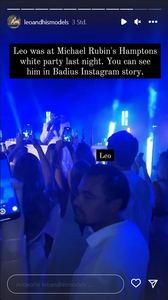
 Amazon prime for example hasn't only prime but a trillion different channels like Arthouse, BBC, MUBI, SONY etc with tons of selected stuff. Amazon also owned Paramount and MGM. Since so far Disney owned half of Hollywood you find almost every movie and show there (for instance all 20th century studios - former 20 century fox, Star Wars, Marvel, National Geographic, Hulu etc). For example Keira Knightleys last movie BOSTON STRANGLER went straight to disney without a cinema release (I think in america it's HULU). GREAT movie btw Former "HBO Max" now simply MAX has some great shows (like THE LAST OF US, all GAME OF THRONES stuff including House of Dragon, True Blood, Big Little Lies, Mare of Easttown and so many more). MAX belongs to Warner Brothers (but Warner is in big trouble, same for disney - it's insane how many people got fired in the last weeks ). Apple+ is making LOTS of great original movies and shows. Apple belongs to nobody and is next to amazon the only streaming service that makes actual profit. It's a lot and nothing is for free so it's also a question of money in which of all the streaming services you want to put your money in.
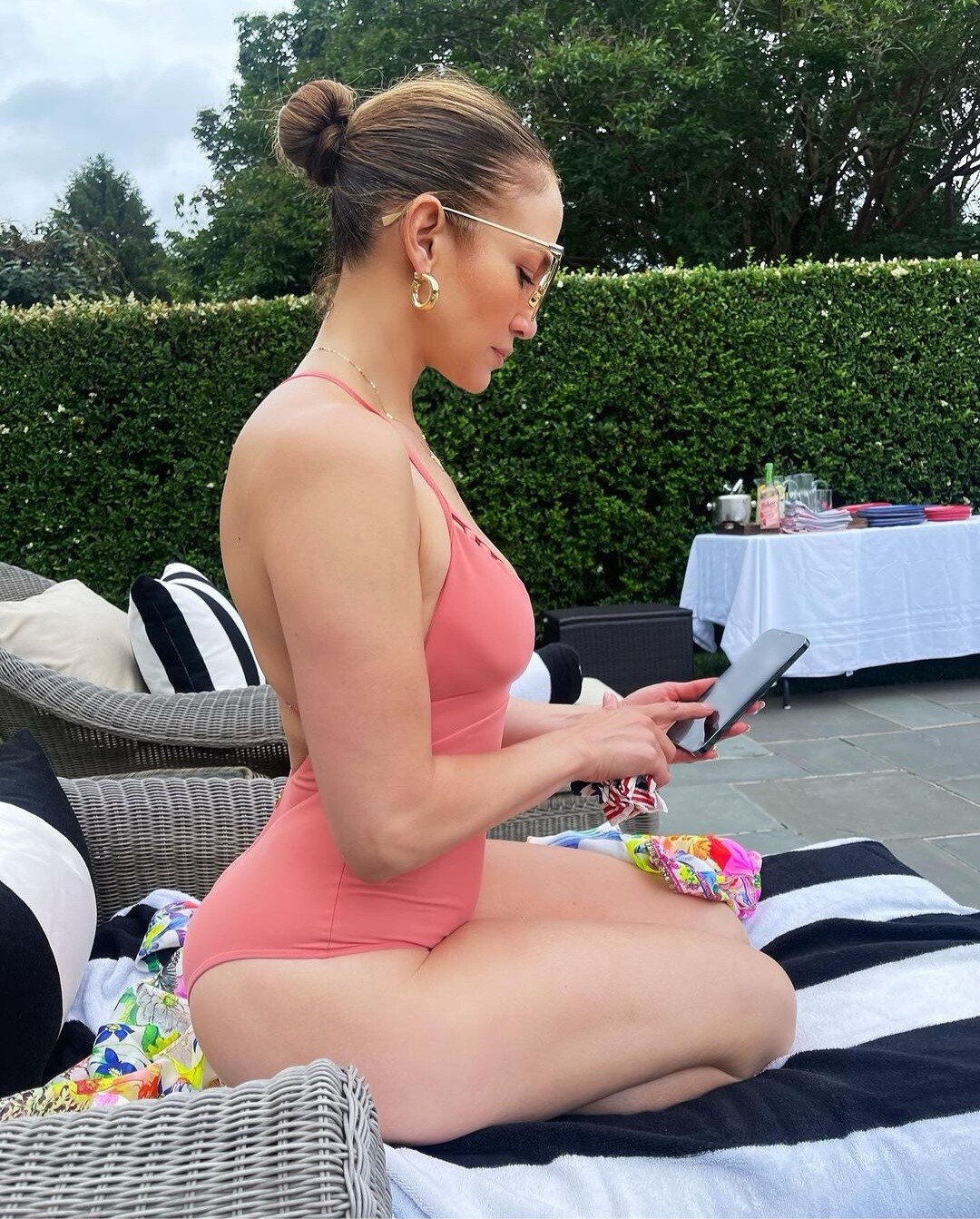
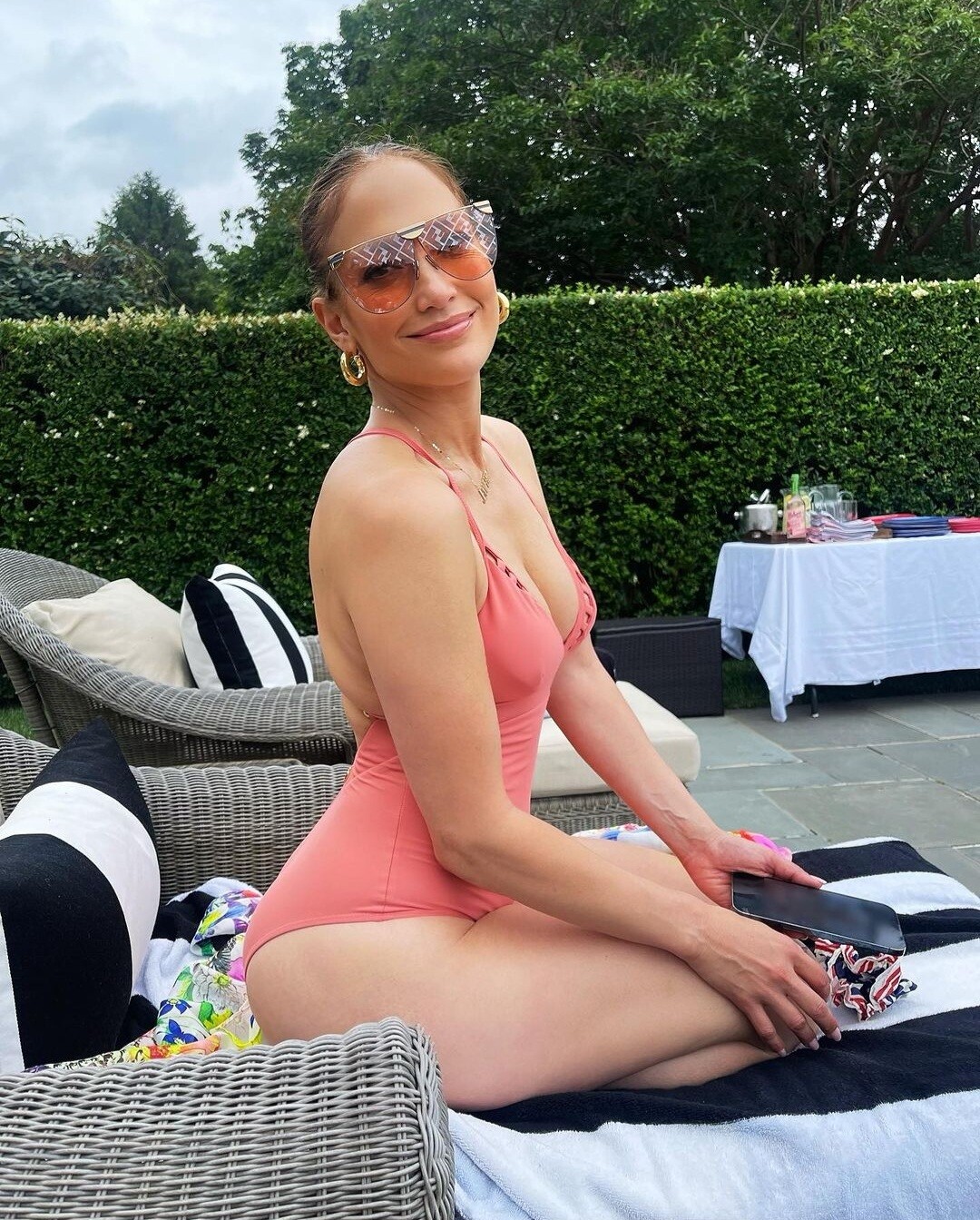
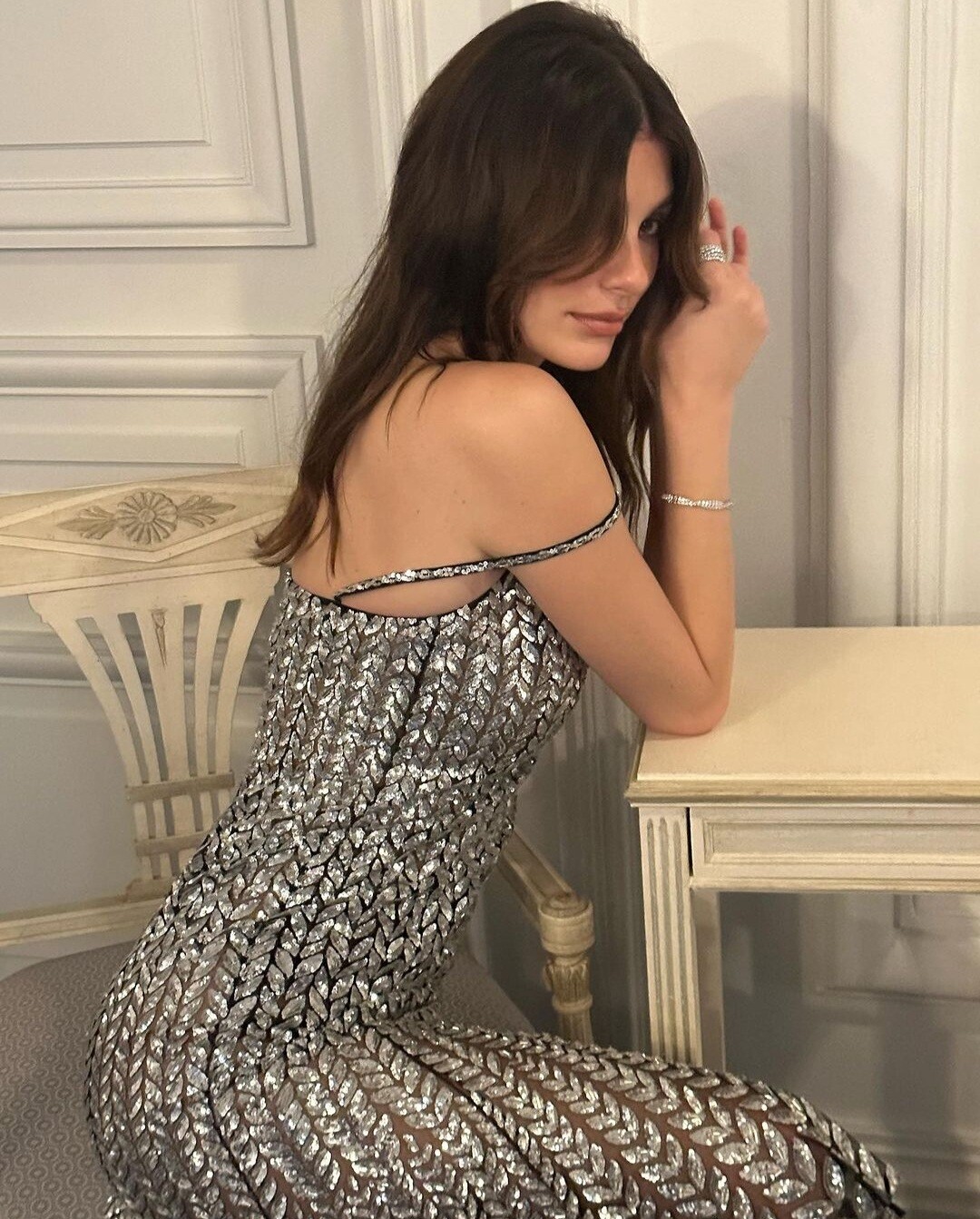
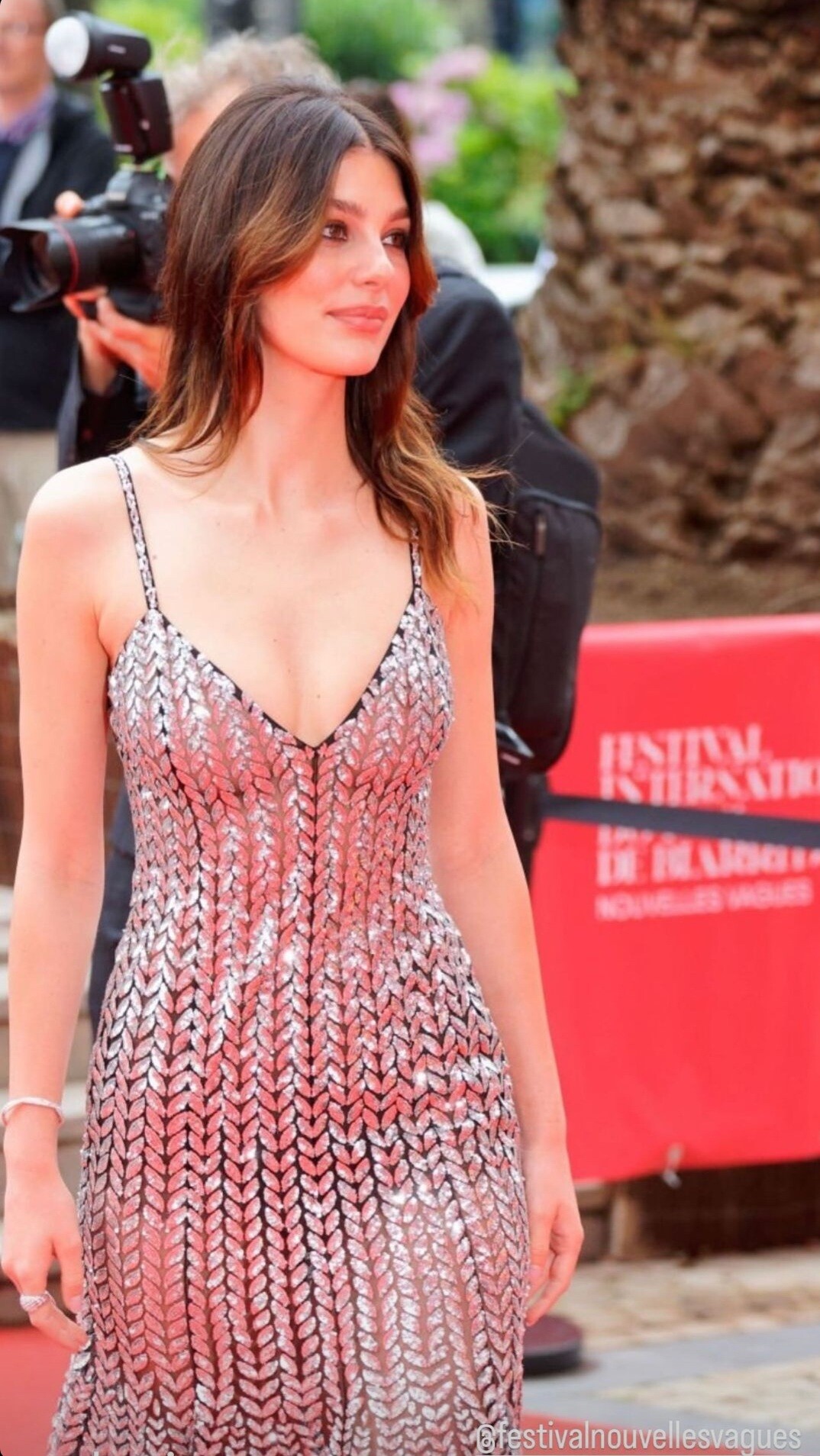
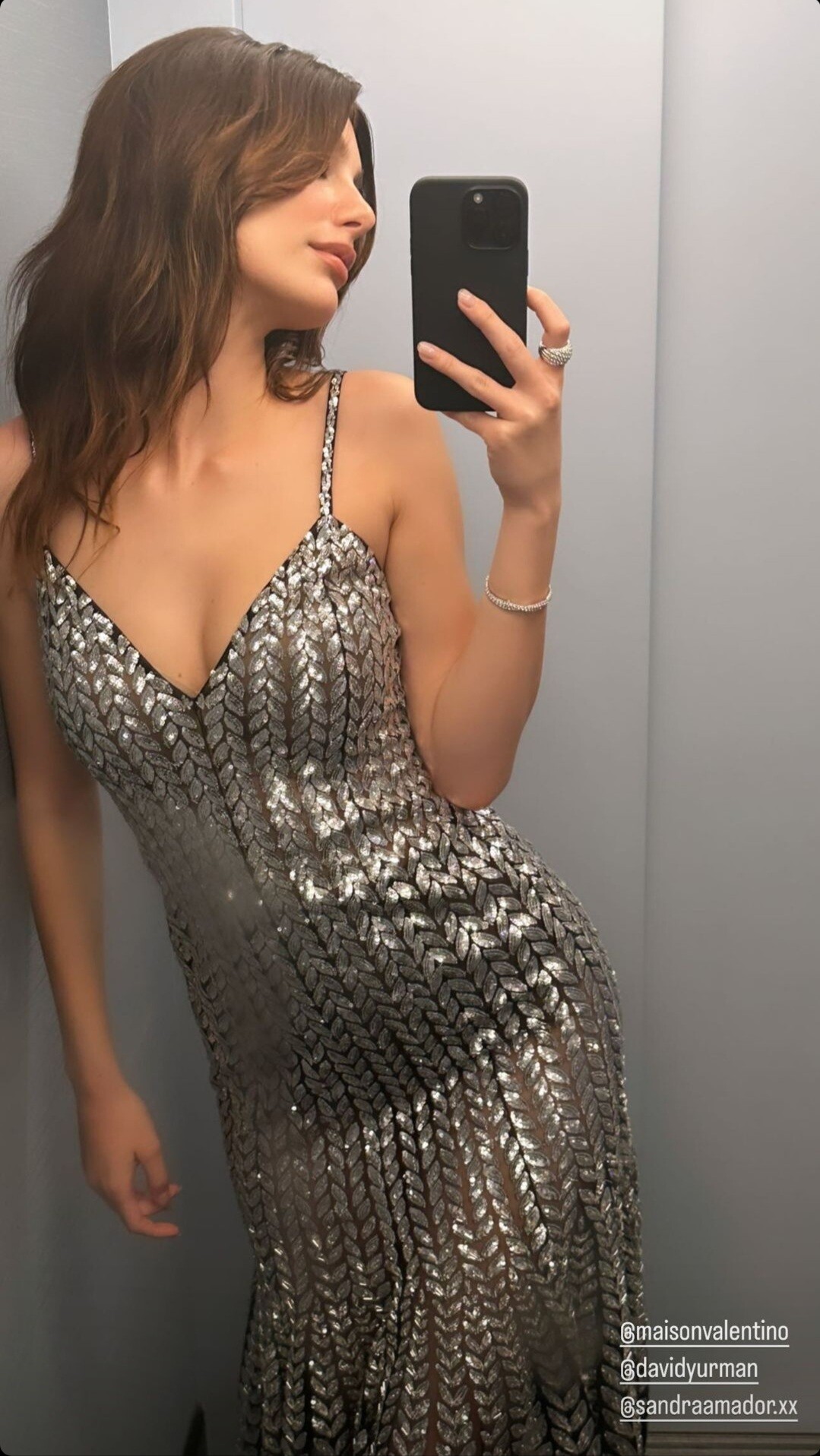
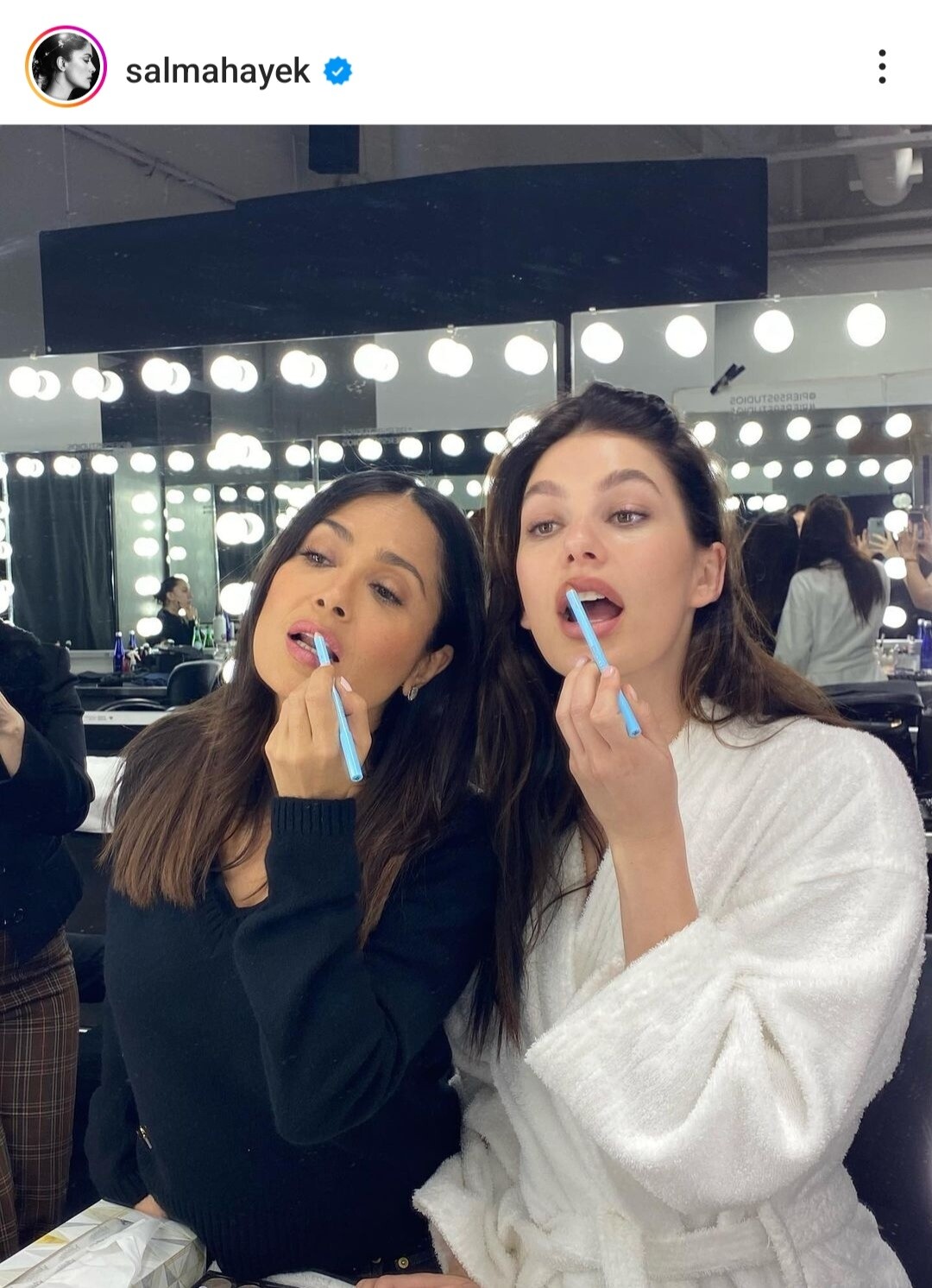
Love this dress and "simple" but stunning look overall 💖 Source Great shots Source Same for this look. Just so good 💘 Simply Love her.
@LuckyGirl I'm also going less in cinema but it's mainly because cinema has changed and the way we watch movies plus the amount of movies and shows online. These days cinemas mostly show the mentioned crappy blockbuster etc But there are tons of good stuff to find on streaming services and I'm not talking about netflix or prime originals (even though sometimes such movies and shows can also be surprisingly good) but a whole movie world of indie pearls that never saw the light of cinema mainly because a cinema release wouldn't bring any money. So such movies go directly on demand. In case of Leo being on mute as an actor. Of course it's a measure to avoid flops with not making any kind of movies at all. No movies no flops But at the same time he's wasting his prime.
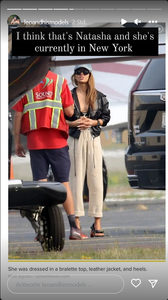
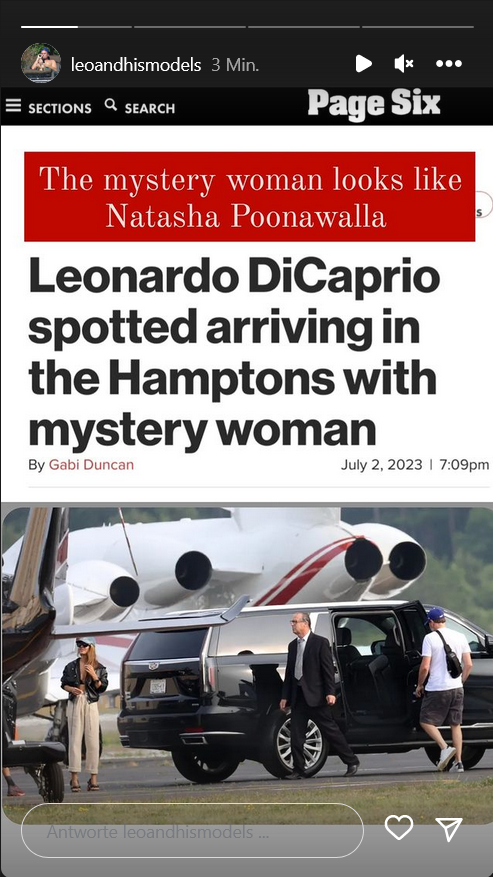
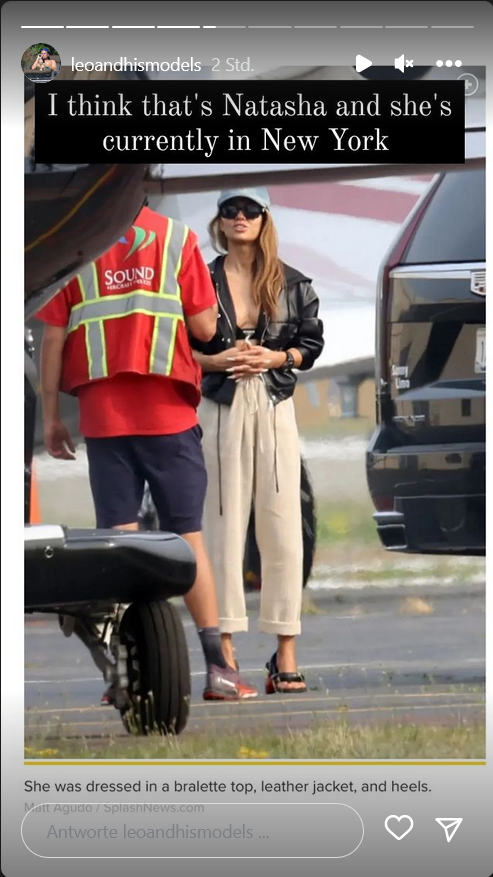
@BarbieErinleoandhismodels also thinks it's Natasha
Amazon prime for example hasn't only prime but a trillion different channels like Arthouse, BBC, MUBI, SONY etc with tons of selected stuff. Amazon also owned Paramount and MGM. Since so far Disney owned half of Hollywood you find almost every movie and show there (for instance all 20th century studios - former 20 century fox, Star Wars, Marvel, National Geographic, Hulu etc). For example Keira Knightleys last movie BOSTON STRANGLER went straight to disney without a cinema release (I think in america it's HULU). GREAT movie btw Former "HBO Max" now simply MAX has some great shows (like THE LAST OF US, all GAME OF THRONES stuff including House of Dragon, True Blood, Big Little Lies, Mare of Easttown and so many more). MAX belongs to Warner Brothers (but Warner is in big trouble, same for disney - it's insane how many people got fired in the last weeks ). Apple+ is making LOTS of great original movies and shows. Apple belongs to nobody and is next to amazon the only streaming service that makes actual profit. It's a lot and nothing is for free so it's also a question of money in which of all the streaming services you want to put your money in.
Love this dress and "simple" but stunning look overall 💖 Source Great shots Source Same for this look. Just so good 💘 Simply Love her.
@LuckyGirl I'm also going less in cinema but it's mainly because cinema has changed and the way we watch movies plus the amount of movies and shows online. These days cinemas mostly show the mentioned crappy blockbuster etc But there are tons of good stuff to find on streaming services and I'm not talking about netflix or prime originals (even though sometimes such movies and shows can also be surprisingly good) but a whole movie world of indie pearls that never saw the light of cinema mainly because a cinema release wouldn't bring any money. So such movies go directly on demand. In case of Leo being on mute as an actor. Of course it's a measure to avoid flops with not making any kind of movies at all. No movies no flops But at the same time he's wasting his prime.
@BarbieErinleoandhismodels also thinks it's Natasha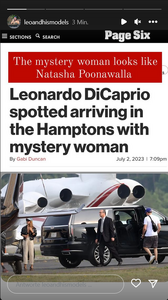





Account
Navigation
Search
Configure browser push notifications
Chrome (Android)
- Tap the lock icon next to the address bar.
- Tap Permissions → Notifications.
- Adjust your preference.
Chrome (Desktop)
- Click the padlock icon in the address bar.
- Select Site settings.
- Find Notifications and adjust your preference.
Safari (iOS 16.4+)
- Ensure the site is installed via Add to Home Screen.
- Open Settings App → Notifications.
- Find your app name and adjust your preference.
Safari (macOS)
- Go to Safari → Preferences.
- Click the Websites tab.
- Select Notifications in the sidebar.
- Find this website and adjust your preference.
Edge (Android)
- Tap the lock icon next to the address bar.
- Tap Permissions.
- Find Notifications and adjust your preference.
Edge (Desktop)
- Click the padlock icon in the address bar.
- Click Permissions for this site.
- Find Notifications and adjust your preference.
Firefox (Android)
- Go to Settings → Site permissions.
- Tap Notifications.
- Find this site in the list and adjust your preference.
Firefox (Desktop)
- Open Firefox Settings.
- Search for Notifications.
- Find this site in the list and adjust your preference.