

COP11
Members
-
Joined
Everything posted by COP11
-
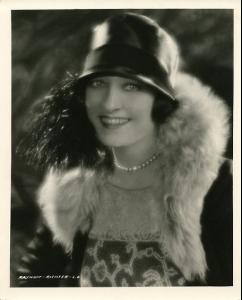
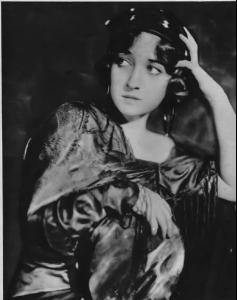
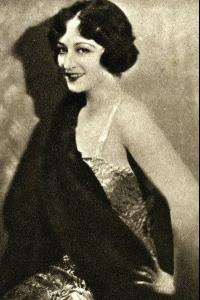
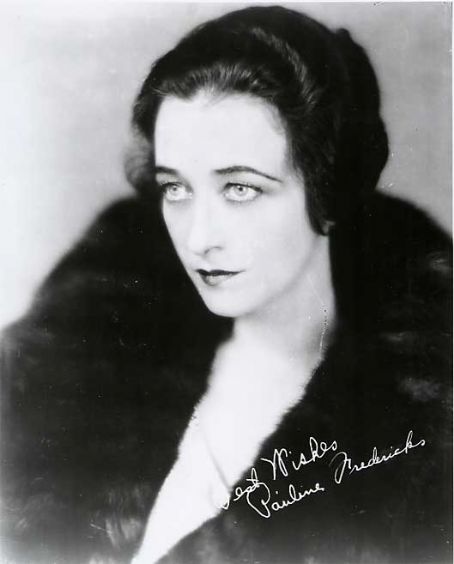
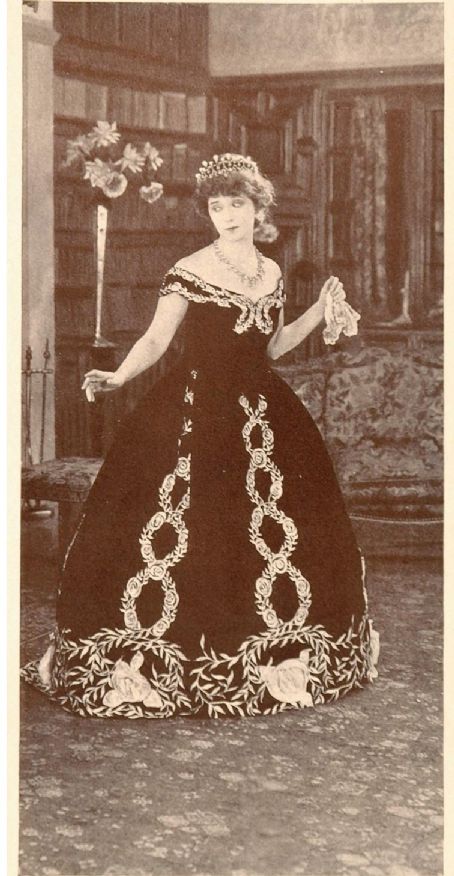
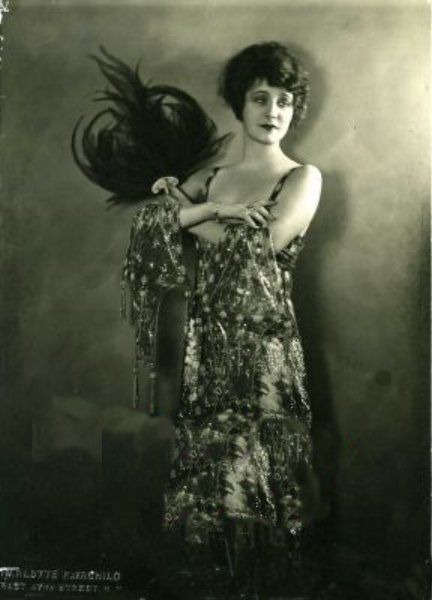
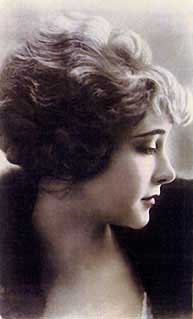
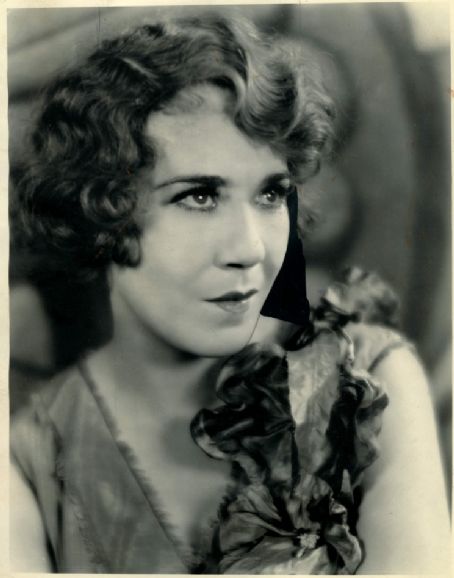
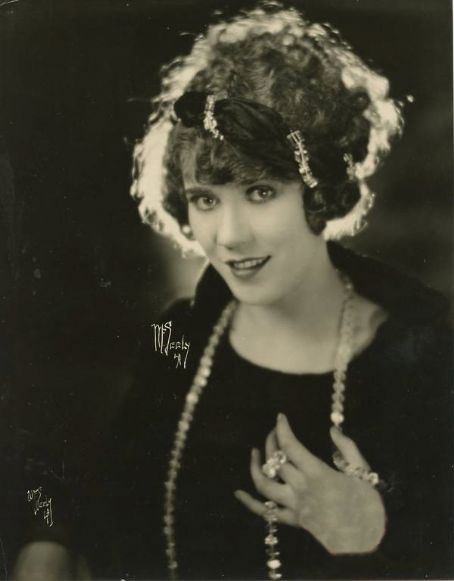
 Pauline Frederick (August 12, 1883, Boston, Massachusetts — September 19, 1938, Beverly Hills, California) was a leading Broadway actress who later became known for her Hollywood films. Early years Pauline Frederick was born Beatrice Pauline Libby in 1883. “My birthday is – or rather was, for I have had my last – August 12,” she later stated in an interview in Motion Picture Magazine (December 1918). “On that date, according to records, I joined the other little beans in Boston. I had four nationalities from which to choose my temperament – first my good old United States; second my mother’s ancestors, who were Scotch; and third, my father’s who were French and English. Such a combination I realized beforehand would be essential to the making of a picture star and acted accordingly.” she was an established stage actor when she made her first film in 1915. She made her last film in 1937. The following year, she died of complications from asthma and was cremated. Career As a girl she was fascinated with show business, and determined early to place her goals in the direction of the theater. She reminisced in an interview in Motion Picture Magazine (December 1918) As a child there were several things besides some well-known young medicines that I disliked to take, and one of these was a dare. When one of my playmates, whose favorite pastime was running off to the theater whenever we could save money enough to buy tickets and reproducing what we had seen on an elaborate home scale, said: ‘Polly, I dare you to go on the real stage,’ of course I just had to go. I had been studying singing, and succeeded in persuading the manager of a vaudeville house in Boston to hear a couple of my songs. “I’ll put you on for a week,” the manager agreed, “and pay you fifty dollars.” That was the first money she earned, and to Pauline, it seemed like a fortune. “My chums were there in full force that night waiting to see ‘Polly take her dare,’ and for their sakes I had to be brave about it, though I can remember to this day how I quaked inwardly when I stepped out on the stage and saw the hundreds of eyes turned toward me. I thought each eye was saying: ‘She never did this before,’ and in companion I was answering: ‘No, she never did.’ Well, I managed to get through my three songs some way or another, and after that it wasn’t so bad. That first week gave me the courage to go further and, of course, further meant New York.” In 1908 Pauline was in a serious automobile wreck. It was later discovered that this wreck impaired her ability to have children. A well-known stage star, Frederick was already in her 30s when she began making films. She specialized in playing commanding and authoritative women throughout her film career. Her stunning beauty stayed with her as she aged into her best remembered roles—sacrificing mothers and 40-something women having a last fling at youth and romance. She was able to make a successful transition to "talkies" in 1929, and was cast as Joan Crawford's mother in This Modern Age (1931). Frederick generally played an angry matriarch. Frederick never shyed away from parts that often other actresses of the time feared, often due to the role being controversial or out of character. Frederick has a star on the Hollywood Walk of Fame at 7000 Hollywood Boulevard. Many of Frederick's silent films such as The Eternal City (1915) are now considered lost films. Others survive in fragile condition in sole remaining prints in archives. One example that survives and is readily available on home video is Smouldering Fires (1925) that showcase her talents as a dramatic actress. More of her work is available in the talkie era such as This Modern Age with Joan Crawford, the excellent whodunnit The Phantom of Crestwood (1932) and the color film Ramona (1936). Crawford idolized Frederick and based a lot of her persona on the veteran actress. Personal life Pauline Frederick married 5 times: Frank Mills Andrews (1909 - 1913) Willard Mack (1917-1919) Dr. C.A. Rutherford (1922 - ?) Hugh C. Leighton (1930 - ?) Col. Joseph A. Marmon (January 1934 - December 1934) (his death) She also had a two-year affair with Clark Gable in the 1920s when Gable was a struggling young actor. She was old enough to be his mother. She gave birth to a baby girl on May 21, 1905 (see Pauline Frederick Discussion) Filmography The Eternal City (1915) Sold (1915) Zaza (1915) Bella Donna (1915) Lydia Gilmore (1915) The Spider (1916) Audrey (1916) The Moment Before (1916) The World's Great Snare (1916) The Woman in the Case (1916) Ashes of Embers (1916) Nanette of the Wilds (1916) The Slave Island (1916) The Slave Market (1917) Sapho (1917) Sleeping Fires (1917) Her Better Self (1917) The Love That Lives (1917) Double Crossed (1917) The Hungry Heart (1917) Stake Uncle Sam to Play Your Hand (1918) Mrs. Dane's Defense (1918) Madame Jealousy (1918) La Tosca (1918) Resurrection (1918) Her Final Reckoning (1918) Fedora (1918) A Daughter of the Old South (1918) Out of the Shadow (1919) The Woman on the Index (1919) Paid in Full (1919) One Week of Life (1919) The Fear Woman (1919) The Peace of Roaring River (1919) Bonds of Love (1919) The Loves of Letty (1919) The Woman in Room 13 (1920) The Paliser Case (1920) Madame X (1920) A Slave of Vanity (1920) The Mistress of Shenstone (1921) Roads of Destiny (1921) Salvage (1921) The Sting of the Lash (1911) The Lure of Jade (1921) The Woman Breed (1922) Two Kinds of Women (1922) The Glory of Clementina (1922) Let Not Man Put Asunder (1924) Married Flirts (1924) Three Women (1924) Smouldering Fires (1925) Her Honor, the Governor (1926) Devil's Island (1926) Josselyn's Wife (1926) The Nest (1927) Mumsie (1927) On Trial (1928) Evidence (1929) The Sacred Flame (1929) Terra Melophon Magazin Nr. 1 (1930) This Modern Age (1931) Wayward (1932) The Phantom of Crestwood (1932) Self Defense (1932) The Social Register (1934) My Marriage (1935) Ramona (1936) Thank You, Mr. Moto (1937)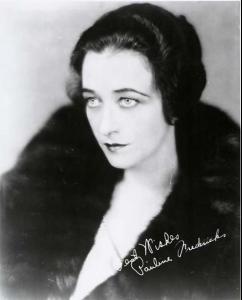
-
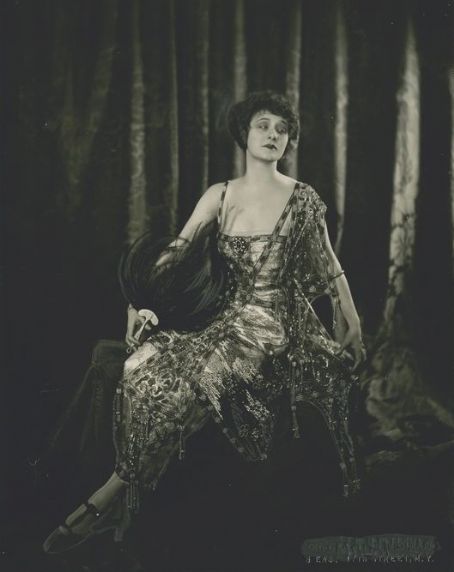
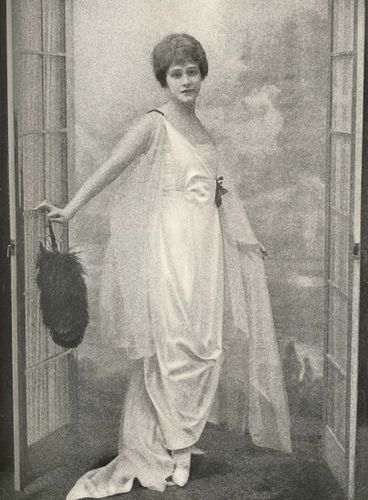
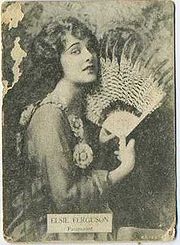
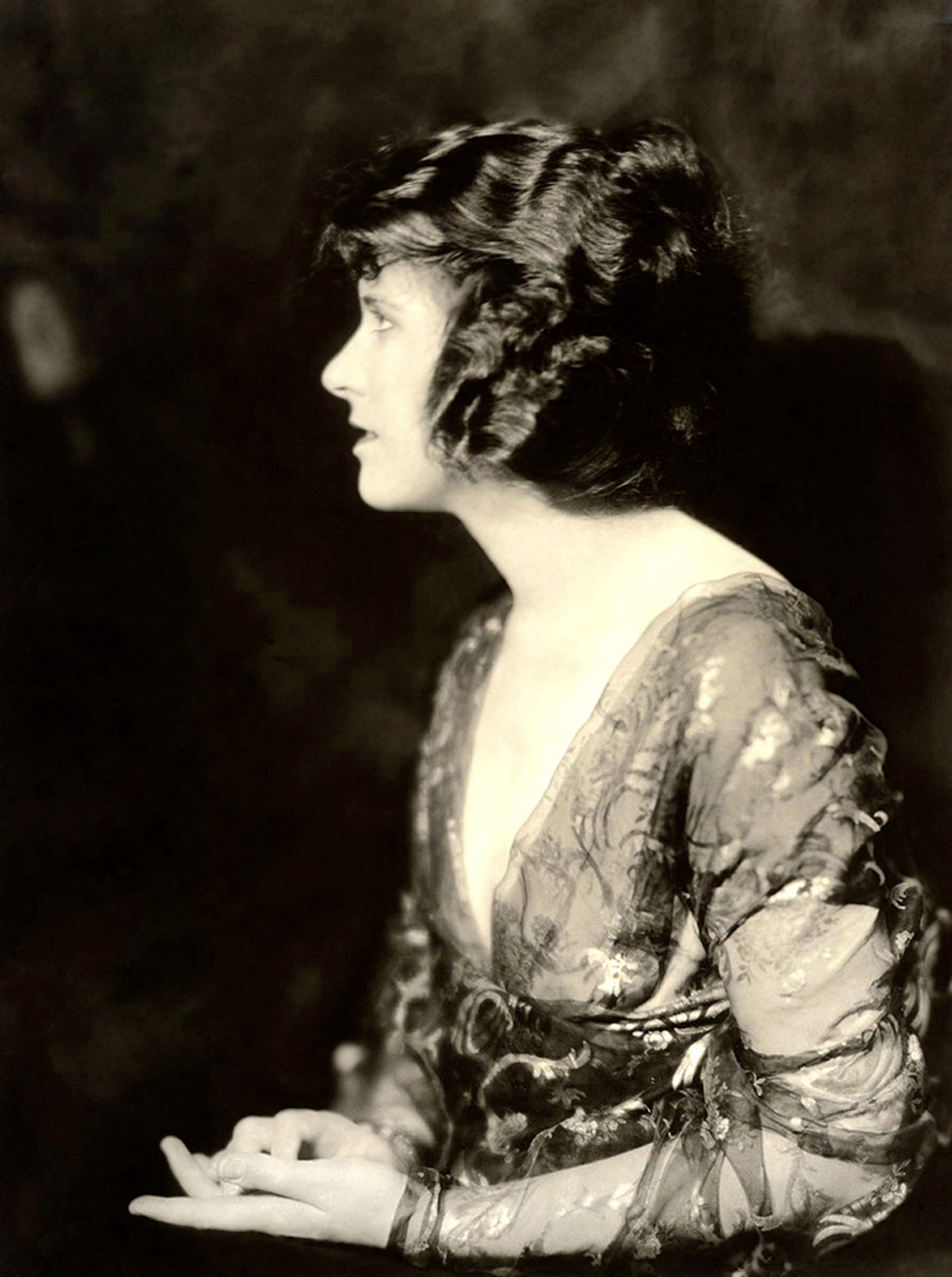
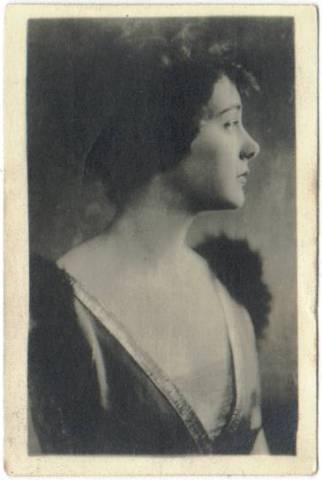
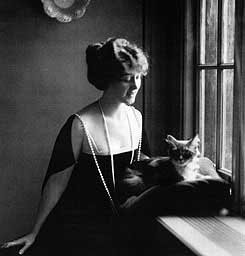
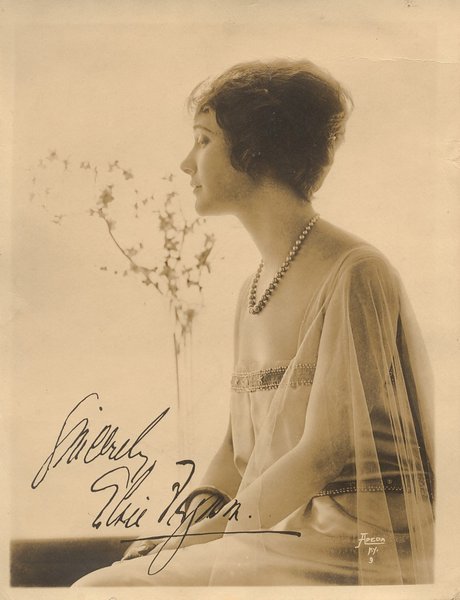
Elsie Louise Ferguson (August 19, 1883 – November 15, 1961) was an American stage and film actress. Early life Born in New York City, Elsie Ferguson was the only child of Mr. and Mrs. Hiram Benson Ferguson, a successful attorney. Raised and educated in Manhattan, she became interested in the theater at a young age and made her stage debut at seventeen as a chorus girl in a musical comedy. She quickly became known as one of the most beautiful women to ever set foot on the American stage. For almost two years from 1903-05 she was a cast member in The Girl from Kays which despite its title starred Sam Bernard. In 1908 she was leading lady to Edgar Selwyn in Pierre of the Plains. By 1909, after several years apprenticeship under several producers including Charles Frohman, Klaw & Erlanger, Charles Dillingham and Henry B. Harris, she was a major Broadway star, starring in Such A Little Queen. In 1910, she spent time on the stage in London. Actresses Evelyn Nesbit and Ethel Barrymore were friends of hers. During World War I, a number of Broadway stars organized a campaign to sell Liberty Bonds from the theatre stage prior to the performance as well as at highly publicized appearances at places such as the New York Public Library. Ferguson, noted for her great beauty and as one of the "Park Avenue aristocrats," on one occasion is reputed to have sold $85,000.00 worth of bonds in less than an hour. Stardom At the peak of her popularity, several film studios offered her a contract but she declined them all until widely respected New York-based French director, Maurice Tourneur, proposed she appear in the lead role as a sophisticated patrician in his 1917 silent film, Barbary Sheep. She also may have consented to films because she no longer had the protection of her beloved Broadway employers Henry B. Harris, who died on the Titanic and Charles Frohman, who perished on the Lusitania in May 1915. Producer and director Adolph Zukor then signed her to an eighteen film, 3 year, $5,000.00 per week contract. Following this first film, Ferguson was highly billed in promotional campaigns, and starred in two more films directed by Tourneur under a lucrative contract from Paramount Pictures that paid her $1,000 per day of filming in addition to her weekly contract income. Her only surviving silent film is The Witness for the Defense (1919) co-starring Warner Oland and performed as a play in 1911 by her friend Ethel Barrymore. Continuing to play roles of elegant society women, Ferguson was quickly dubbed "The Aristocrat of the Silent Screen", but the aristocratic label was also because she was known as a difficult and sometimes arrogant personality with whom to work. Many of the films she agreed to do were because they were adaptations of stage plays with which she was familiar. Elsie Ferguson eventually followed the move west and bought a home in the hills of Hollywood, California. In 1920, she traveled to the Middle East and Europe. She fell in love with Paris and the French Riviera and within a few years bought a permanent home there. In 1921, she accepted another contract offer from Paramount Pictures to star in four films to be spread over a two-year period. One of these was the 1921 film entitled Forever in which she starred opposite the leading heartthrob of the day, Wallace Reid. "Talkies" and retirement In 1925, she made only one film before returning to the Broadway stage. In 1930 she made her first talkie that would also be her final film, titled Scarlett Pages, which is now preserved in the Library of Congress. Although her voice came across well enough, at age 47, she was well past her prime for fans who wanted to see her as the great youthful beauty she had once been. Despite her wealth and fame and glamorous lifestyle, Elsie Ferguson's personal life had more than its share of turmoil. Well known behind the scenes as difficult to work with, temperamental, and argumentative, she married four times. Following her final marriage at age 51, she and her husband acquired a farm in Connecticut and divided their time between it and her Cap d'Antibes home on the Mediterranean Sea in the south of France. Ferguson made her final appearance on Broadway in 1943, at the age of 60, that met with critical acclaim. She played in Outrageous Fortune, a play written by her neighbor Rose Franken. The play closed eight weeks after it opened. Critics hailed Ferguson's performance as "glowing" and having "the charm and winning manner of old. Elsie Ferguson died in Lawrence Memorial Hospital in New London, Connecticut in 1961. She lived on an estate called White Gate Farms. She was interred in the Duck River Cemetery in Old Lyme, Connecticut. A very wealthy woman with no heirs and a lover of animals, on her passing in 1961, she left a large part of her considerable estate to a variety of charities including several for animal welfare.
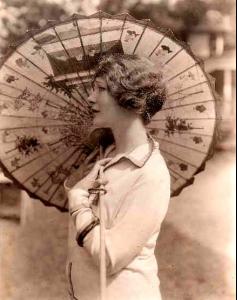
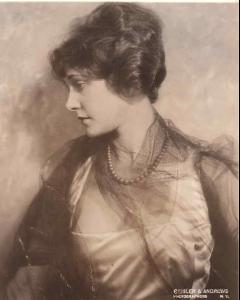
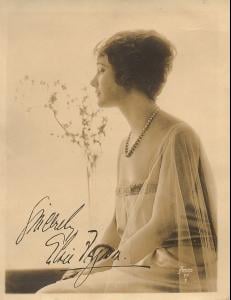
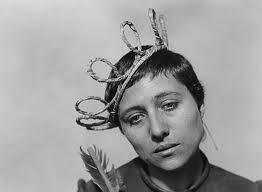
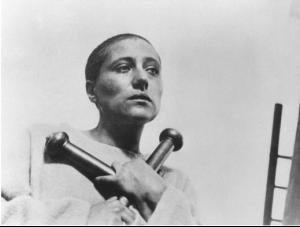
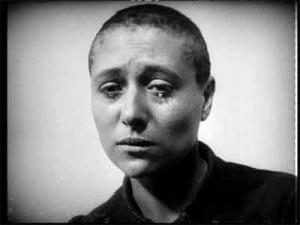
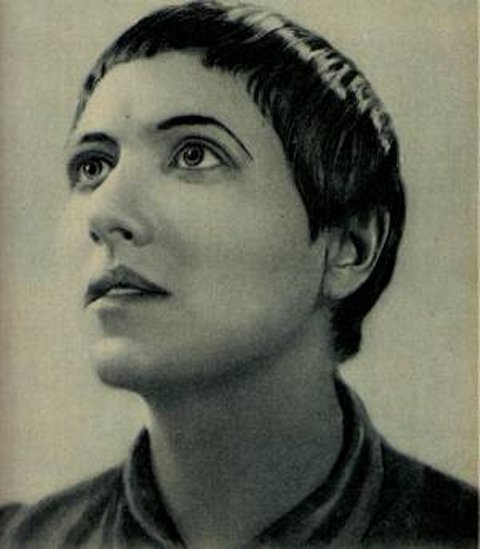
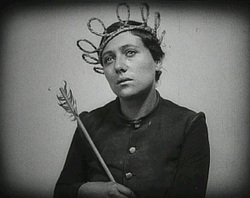
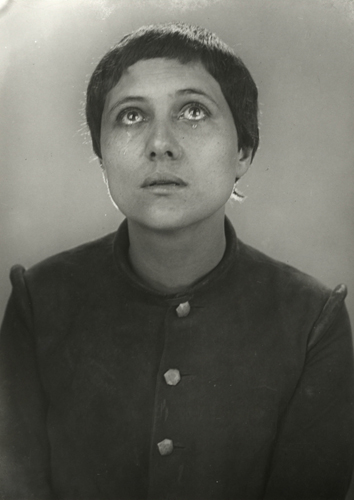
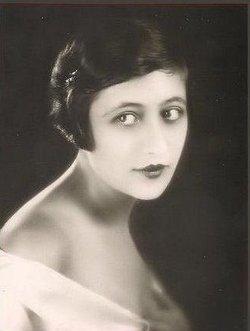
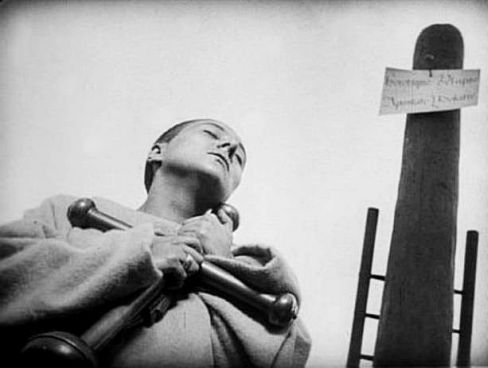
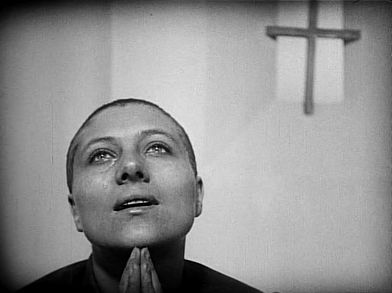
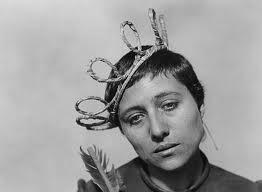
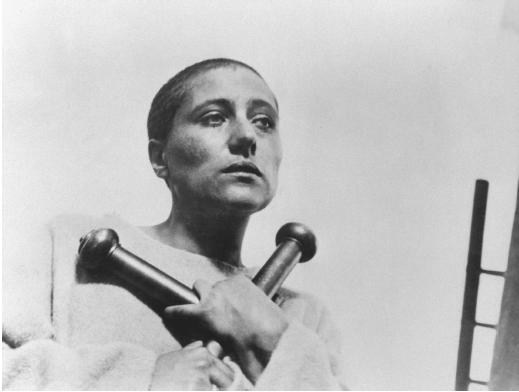
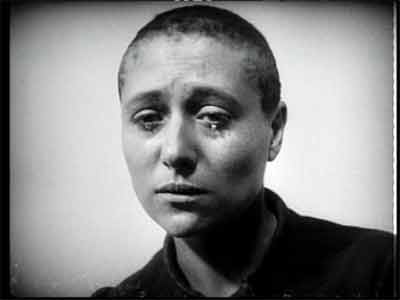
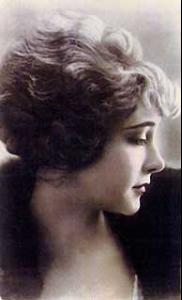 Renée Jeanne Falconetti (July 21, 1892 – December 12, 1946), sometimes credited as Maria Falconetti, Marie Falconetti, Renée Maria Falconetti, or, simply, Falconetti, was a French stage and film actress, notable for her role as Joan of Arc in Carl Theodor Dreyer's 1928 silent film, La Passion de Jeanne d'Arc. Born in Pantin, Seine-Saint-Denis, Falconetti became a stage actress in Paris in 1918. By the time Dreyer watched her act in an amateur theater and selected her as his leading lady in his up-and-coming production La Passion de Jeanne d'Arc, she was already a celebrated stage artiste, and had appeared in one film, La Comtesse de Somerive (1917), directed by Georges Denola and Jean Kemm. Her portrayal of Joan of Arc in La Passion is widely considered one of the most astonishing performances ever committed to film, and it would remain her final cinematic role. According to film critic Roger Ebert, Dreyer's method of directing his actors pushed Falconetti to emotional collapse: For Falconetti, the performance was an ordeal. Legends from the set tell of Dreyer forcing her to kneel painfully on stone and then wipe all expression from her face--so that the viewer would read suppressed or inner pain. He filmed the same shots again and again, hoping that in the editing room he could find exactly the right nuance in her facial expression. After filming La Passion, Falconetti continued with her career as a producer of light stage comedies, appearing with the Comédie-Française. During the Second World War, she escaped from France first to Switzerland, and then left for Buenos Aires, Argentina where she lived until her death in 1946. Upon her death, she was cremated. "Renee Falconetti" is the fourth poem in Patti Smith's book kodak.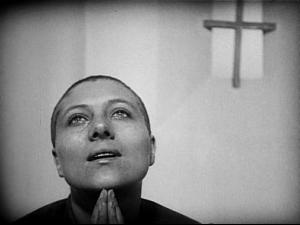
 Patcharapa x3
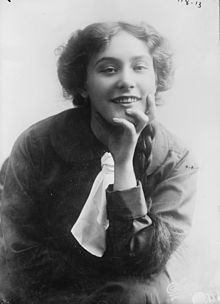
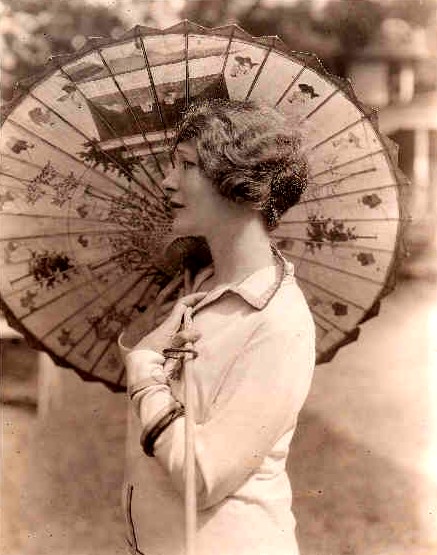
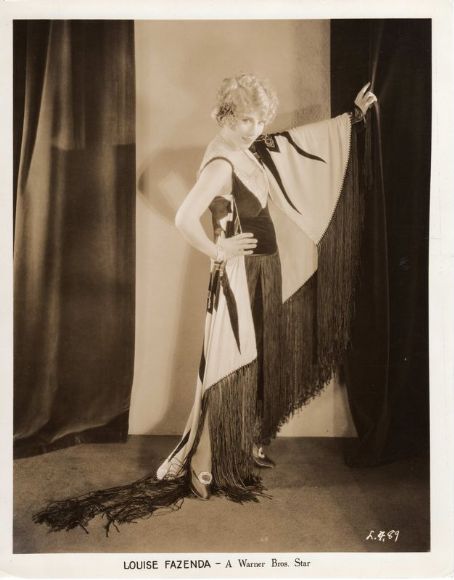
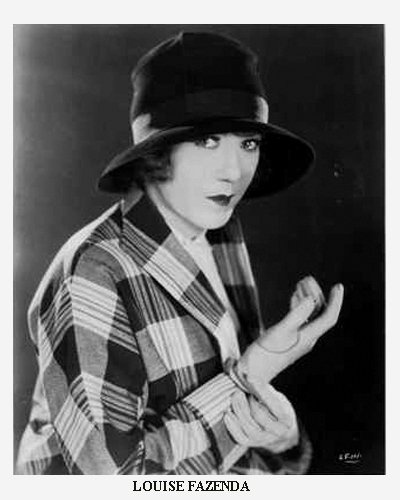
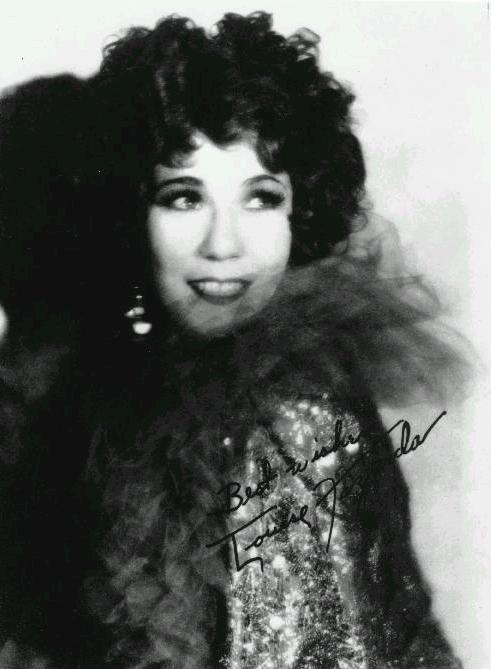
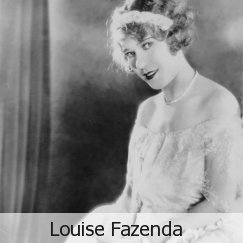
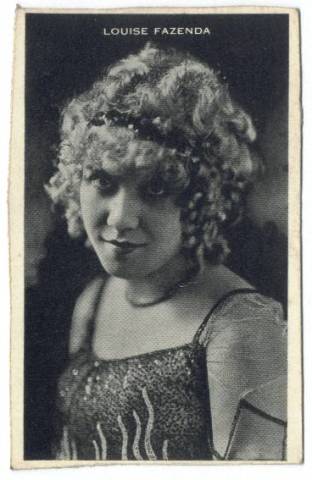
Louise Fazenda (June 17, 1895 - April 17, 1962) was an American film actress, appearing chiefly in silent comedy films. Early life Of Portuguese ancestry, she was born in Lafayette, Indiana. Her father, Joseph Fazenda, was a merchandise broker. After moving west Louise attended Los Angeles High School and St. Mary's Convent. Before trying motion pictures, she worked for a dentist, a candy store owner, and a tax collector and on stage. Career Fazenda got her start in comedy shorts as early as 1913 with Joker Studios, frequently appearing with Max Asher and Bobby Vernon. She was soon recruited for Mack Sennett's troupe at Keystone Studios. As with many Keystone actors, Fazenda's star soon grew larger than Sennett was willing to pay for, and she left Sennett in the early 1920s for better roles and more money. She took a break from making motion pictures in 1921-1922 in order to try vaudeville. Fazenda appeared in a variety of shorts and feature-length films throughout the decade. By the advent of sound pictures, Fazenda was a highly paid actress, making movies for nearly all of the big studios. Fazenda continued through the 1930s, appearing mostly in musicals and comedies. Her skill was in performing character roles. She played such diverse parts as a fussy old maid and a lady blacksmith. She was once accurately described as a plain-looking woman but a highly gifted character comedienne. Marriage and death In 1927 Fazenda married noted Warner Brothers' producer Hal B. Wallis, a union which lasted until her death. They had one son, Brent, who became a psychologist in Florida. The Old Maid, in 1939, was her last of nearly 300 movie appearances. She spent the remainder of her years enjoying life as an art collector until her death caused by a cerebral hemorrhage. Hal Wallis was in Hawaii making a film and left immediately for home. She was interred at the Inglewood Park Cemetery in Inglewood, California. Louise Fazenda has a star on the Hollywood Walk of Fame at 6801 Hollywood Blvd. Philanthropist In 1954 Fazenda read about a woman who died in a car accident. She paid the entire hospital bill of her daughter, who was injured in the wreck. She subsidized the studies of a law student who was contemplating leaving school when his wife became pregnant. At the UCLA Medical Center she helped to feed young children, before she rocked and sang them to sleep. Actress Laura La Plante witnessed her charitable efforts. LaPlante described Fazenda helping children and poor people. One child refused to eat. The actress reportedly went back and forth to the hospital from her home, making various dishes, until she was successful, and the youth regained his health. Among the children she helped there was one Edward Bunker, who described what had happened in his autobiographical The Education of a Felon.
Patcharapa x3
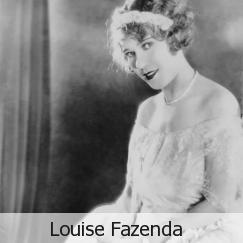
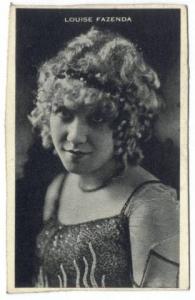
Louise Fazenda (June 17, 1895 - April 17, 1962) was an American film actress, appearing chiefly in silent comedy films. Early life Of Portuguese ancestry, she was born in Lafayette, Indiana. Her father, Joseph Fazenda, was a merchandise broker. After moving west Louise attended Los Angeles High School and St. Mary's Convent. Before trying motion pictures, she worked for a dentist, a candy store owner, and a tax collector and on stage. Career Fazenda got her start in comedy shorts as early as 1913 with Joker Studios, frequently appearing with Max Asher and Bobby Vernon. She was soon recruited for Mack Sennett's troupe at Keystone Studios. As with many Keystone actors, Fazenda's star soon grew larger than Sennett was willing to pay for, and she left Sennett in the early 1920s for better roles and more money. She took a break from making motion pictures in 1921-1922 in order to try vaudeville. Fazenda appeared in a variety of shorts and feature-length films throughout the decade. By the advent of sound pictures, Fazenda was a highly paid actress, making movies for nearly all of the big studios. Fazenda continued through the 1930s, appearing mostly in musicals and comedies. Her skill was in performing character roles. She played such diverse parts as a fussy old maid and a lady blacksmith. She was once accurately described as a plain-looking woman but a highly gifted character comedienne. Marriage and death In 1927 Fazenda married noted Warner Brothers' producer Hal B. Wallis, a union which lasted until her death. They had one son, Brent, who became a psychologist in Florida. The Old Maid, in 1939, was her last of nearly 300 movie appearances. She spent the remainder of her years enjoying life as an art collector until her death caused by a cerebral hemorrhage. Hal Wallis was in Hawaii making a film and left immediately for home. She was interred at the Inglewood Park Cemetery in Inglewood, California. Louise Fazenda has a star on the Hollywood Walk of Fame at 6801 Hollywood Blvd. Philanthropist In 1954 Fazenda read about a woman who died in a car accident. She paid the entire hospital bill of her daughter, who was injured in the wreck. She subsidized the studies of a law student who was contemplating leaving school when his wife became pregnant. At the UCLA Medical Center she helped to feed young children, before she rocked and sang them to sleep. Actress Laura La Plante witnessed her charitable efforts. LaPlante described Fazenda helping children and poor people. One child refused to eat. The actress reportedly went back and forth to the hospital from her home, making various dishes, until she was successful, and the youth regained his health. Among the children she helped there was one Edward Bunker, who described what had happened in his autobiographical The Education of a Felon.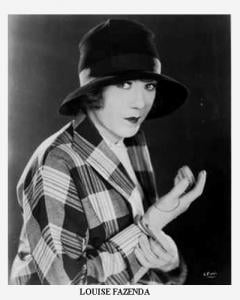
 That Long Dong Silver guy was too big. Nacho Vidal is too big. Dick Rambone and John Holmes were too big also. Need I go on? Dude, keep posting everything 3 or 4 times and you'll be up there with me sooner then later Did you know they are coming out with a new Thundercats cartoon next week?
Christy x3
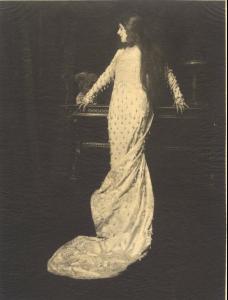
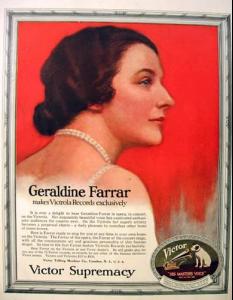
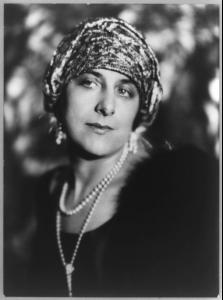
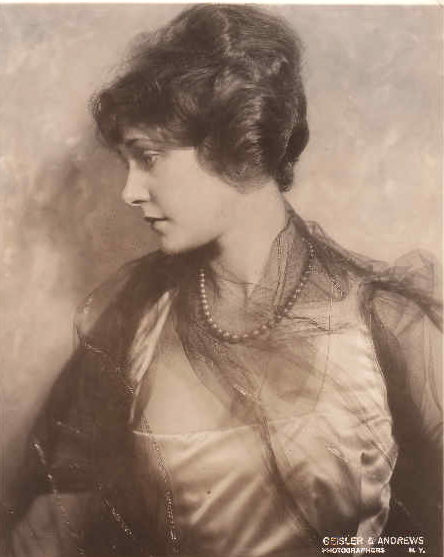
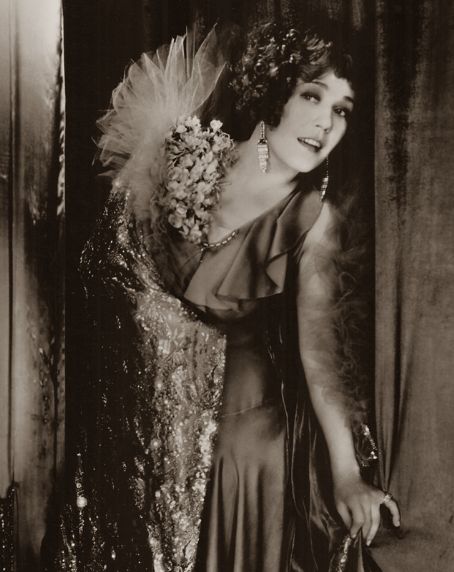
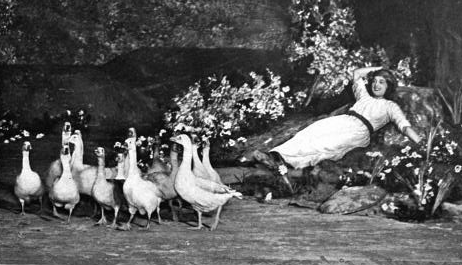
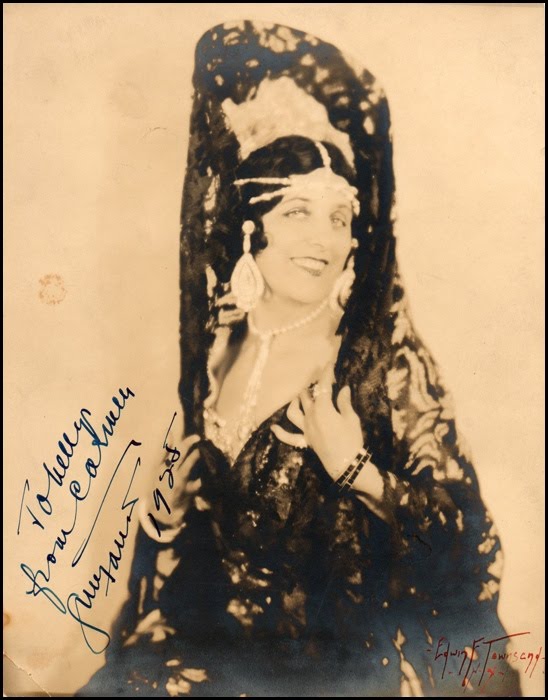
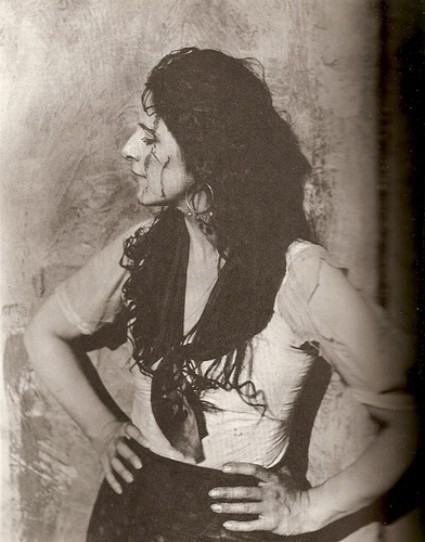
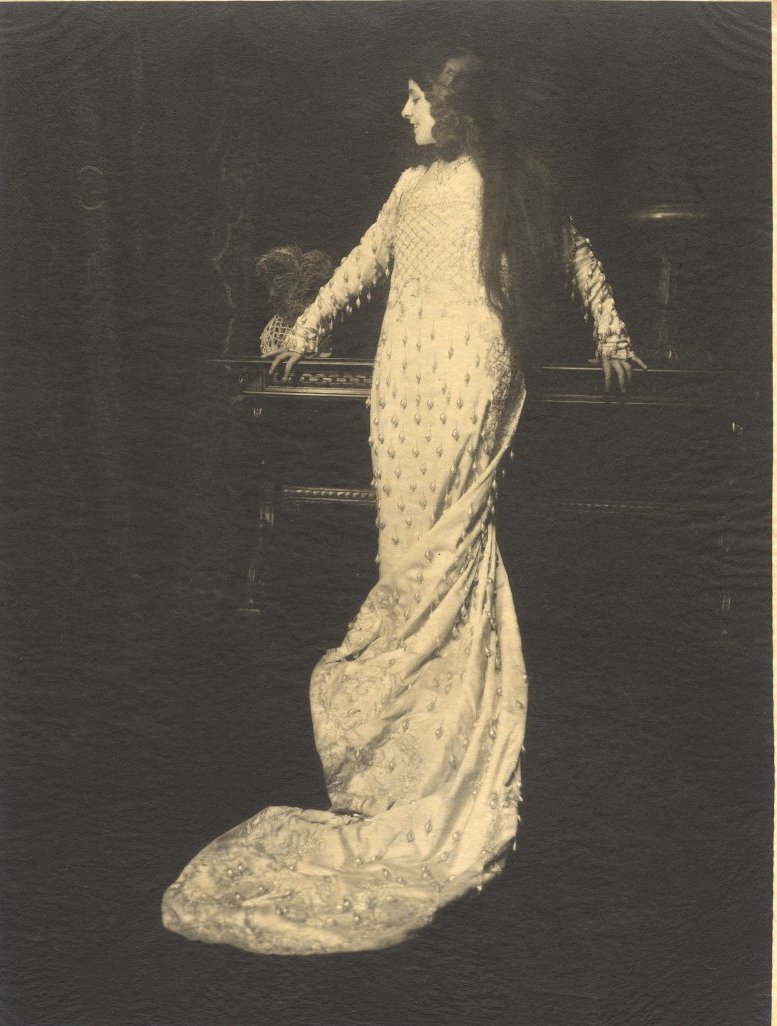
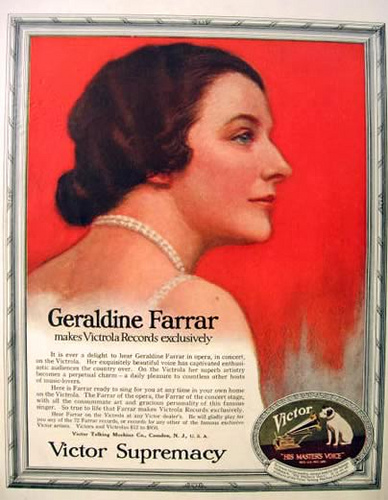
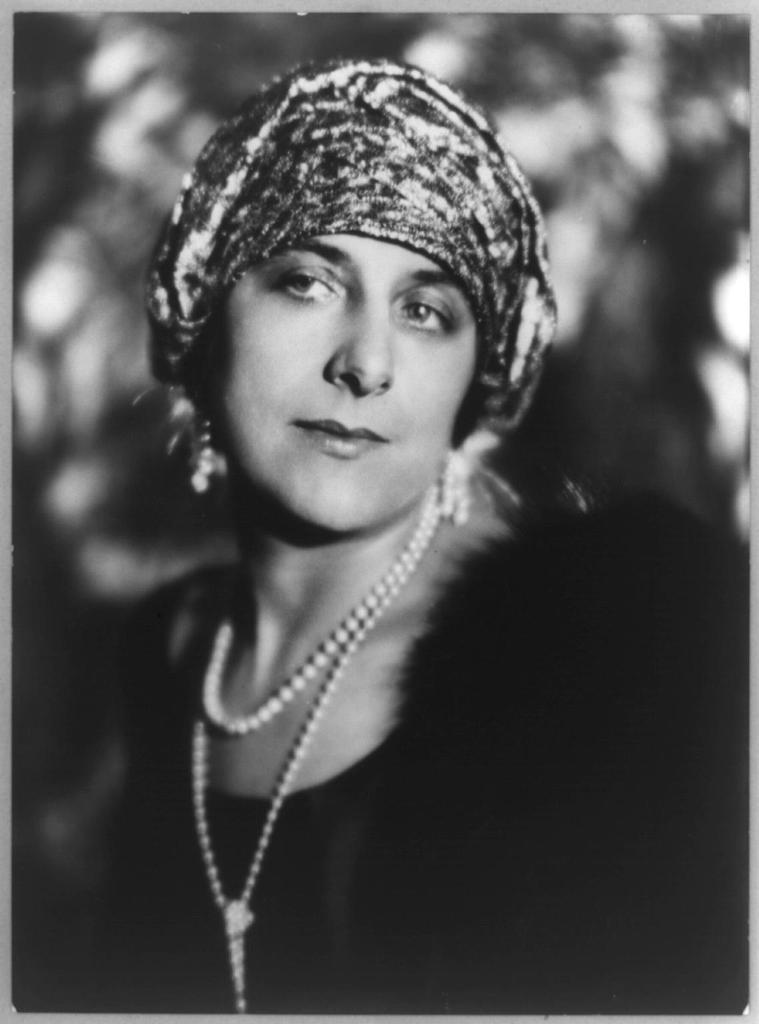
Geraldine Farrar (February 28, 1882 – March 11, 1967) was an American soprano opera singer and film actress, noted for her beauty, acting ability, and "the intimate timbre of her voice." She had a large following among young women, who were nicknamed "Gerry-flappers". Early life and opera career Farrar was born in Melrose, Massachusetts, the daughter of baseball player Sidney Farrar and his wife Henrietta Barnes. At 5 she began studying music in Boston and by 14 was giving recitals. Later she studied voice with the American soprano Emma Thursby in New York, in Paris, and finally with the Italian baritone Francesco Graziani in Berlin. Farrar created a sensation at the Berlin Hofoper with her debut as Marguerite in Charles Gounod's Faust in 1901 and remained with the company for three years, during which time she continued her studies with famed German soprano Lilli Lehmann. (She had been recommended to Lehmann by another famous soprano of the previous generation, Lillian Nordica.). She appeared in the title rôles of Ambroise Thomas' Mignon and Jules Massenet's Manon, as well as Juliette in Gounod's Roméo et Juliette. Her admirers in Berlin included Crown Prince Wilhelm of Germany, with whom she is believed to have had a relationship beginning in 1903. After three years with the Monte Carlo Opera, she made her debut at the New York Metropolitan Opera in Romeo et Juliette on November 26, 1906. She appeared in the first Met performance of Giacomo Puccini's Madama Butterfly in 1907 and remained a member of the company until her retirement in 1922, singing 29 roles there in nearly 500 performances. She developed a great popular following, especially among New York's young female opera-goers, who were known as "Gerry-flappers". Farrar created the title roles in Pietro Mascagni's Amica (Monte Carlo, 1905), Puccini's Suor Angelica (New York, 1918), and Umberto Giordano's Madame Sans-Gêne (New York, 1915) as well as the Goosegirl in Engelbert Humperdinck's Die Königskinder (New York, 1910) She recorded extensively for the Victor Talking Machine Company and was often featured prominently in that firm's advertisements. She also appeared in silent movies, which were filmed between opera seasons. Farrar starred in more than a dozen films from 1915 to 1920, including Cecil B. De Mille's 1915 adaptation of Georges Bizet's opera Carmen. One of her most notable screen roles was as Joan of Arc in the 1917 film Joan the Woman. According to her biographer, Elizabeth Nash: Unlike most of the famous bel canto singers of the past who sacrificed dramatic action to tonal perfection, she was more interested in the emotional than in the purely lyrical aspects of her roles. According to Miss Farrar, until prime donne can combine the arts of Sarah Bernhardt and Nellie Melba, dramatic ability is more essential than perfect singing in opera In 1960 Farrar was awarded two stars on the Hollywood Walk of Fame, in the music and film categories. However, the Los Angeles Times, which has documented and photographed every star as part of its ongoing Hollywood Star Walk project, was unable to locate the star honoring her film career. (Her music star is present and accounted for at 1711 Vine Street.) Personal life Farrar had a seven-year love affair with the Italian conductor Arturo Toscanini. Her ultimatum, that he leave his wife and children and marry her, resulted in Toscanini's abrupt resignation as principal conductor of the Metropolitan Opera in 1915. He returned to Italy. Farrar was close friends with the star tenor Enrico Caruso and there has been speculation that they too had a love affair, but no substantial evidence of this has surfaced. It is said that Caruso coined her motto: Farrar fara ("Farrar will do it"). Her marriage to cinema actor Lou Tellegen on February 8, 1916 was the source of considerable scandal, terminating, as a result of her husband's numerous affairs, in a very public divorce in 1923. The circumstances of the divorce were brought again to public recollection by Tellegen's bizarre 1934 suicide in Hollywood. Farrar retired from opera in 1922 at the age of 40. Her final performance was as Leoncavallo's Zazà. By this stage, her voice was in premature decline due to overwork. According to the American music critic Henry Pleasants, the author of The Great Singers from the Dawn of Opera to Our Own Time (first published 1967), she gave between 25 and 35 performances each season at the Met alone. They included 95 appearances as Madama Butterfly and 58 as Carmen in 16 seasons. The title role in Puccini's Tosca, which she had added to her repertoire in 1909, was another one of her favourite Met parts. Farrar continued to give recitals until 1931 and was briefly the intermission commentator for the radio broadcasts from the Met during the 1934-35 season. Her autobiography, Such Sweet Compulsion, published in 1938, was written in alternating chapters purporting to be her own words and those of her mother, with Mrs Farrar rather floridly recounting her daughter's many accomplishments. Farrar died in Ridgefield, Connecticut of a heart attack in 1967, aged 85, and was buried in Kensico Cemetery in Valhalla, New York. She had no children.
That Long Dong Silver guy was too big. Nacho Vidal is too big. Dick Rambone and John Holmes were too big also. Need I go on? Dude, keep posting everything 3 or 4 times and you'll be up there with me sooner then later Did you know they are coming out with a new Thundercats cartoon next week?
Christy x3
Geraldine Farrar (February 28, 1882 – March 11, 1967) was an American soprano opera singer and film actress, noted for her beauty, acting ability, and "the intimate timbre of her voice." She had a large following among young women, who were nicknamed "Gerry-flappers". Early life and opera career Farrar was born in Melrose, Massachusetts, the daughter of baseball player Sidney Farrar and his wife Henrietta Barnes. At 5 she began studying music in Boston and by 14 was giving recitals. Later she studied voice with the American soprano Emma Thursby in New York, in Paris, and finally with the Italian baritone Francesco Graziani in Berlin. Farrar created a sensation at the Berlin Hofoper with her debut as Marguerite in Charles Gounod's Faust in 1901 and remained with the company for three years, during which time she continued her studies with famed German soprano Lilli Lehmann. (She had been recommended to Lehmann by another famous soprano of the previous generation, Lillian Nordica.). She appeared in the title rôles of Ambroise Thomas' Mignon and Jules Massenet's Manon, as well as Juliette in Gounod's Roméo et Juliette. Her admirers in Berlin included Crown Prince Wilhelm of Germany, with whom she is believed to have had a relationship beginning in 1903. After three years with the Monte Carlo Opera, she made her debut at the New York Metropolitan Opera in Romeo et Juliette on November 26, 1906. She appeared in the first Met performance of Giacomo Puccini's Madama Butterfly in 1907 and remained a member of the company until her retirement in 1922, singing 29 roles there in nearly 500 performances. She developed a great popular following, especially among New York's young female opera-goers, who were known as "Gerry-flappers". Farrar created the title roles in Pietro Mascagni's Amica (Monte Carlo, 1905), Puccini's Suor Angelica (New York, 1918), and Umberto Giordano's Madame Sans-Gêne (New York, 1915) as well as the Goosegirl in Engelbert Humperdinck's Die Königskinder (New York, 1910) She recorded extensively for the Victor Talking Machine Company and was often featured prominently in that firm's advertisements. She also appeared in silent movies, which were filmed between opera seasons. Farrar starred in more than a dozen films from 1915 to 1920, including Cecil B. De Mille's 1915 adaptation of Georges Bizet's opera Carmen. One of her most notable screen roles was as Joan of Arc in the 1917 film Joan the Woman. According to her biographer, Elizabeth Nash: Unlike most of the famous bel canto singers of the past who sacrificed dramatic action to tonal perfection, she was more interested in the emotional than in the purely lyrical aspects of her roles. According to Miss Farrar, until prime donne can combine the arts of Sarah Bernhardt and Nellie Melba, dramatic ability is more essential than perfect singing in opera In 1960 Farrar was awarded two stars on the Hollywood Walk of Fame, in the music and film categories. However, the Los Angeles Times, which has documented and photographed every star as part of its ongoing Hollywood Star Walk project, was unable to locate the star honoring her film career. (Her music star is present and accounted for at 1711 Vine Street.) Personal life Farrar had a seven-year love affair with the Italian conductor Arturo Toscanini. Her ultimatum, that he leave his wife and children and marry her, resulted in Toscanini's abrupt resignation as principal conductor of the Metropolitan Opera in 1915. He returned to Italy. Farrar was close friends with the star tenor Enrico Caruso and there has been speculation that they too had a love affair, but no substantial evidence of this has surfaced. It is said that Caruso coined her motto: Farrar fara ("Farrar will do it"). Her marriage to cinema actor Lou Tellegen on February 8, 1916 was the source of considerable scandal, terminating, as a result of her husband's numerous affairs, in a very public divorce in 1923. The circumstances of the divorce were brought again to public recollection by Tellegen's bizarre 1934 suicide in Hollywood. Farrar retired from opera in 1922 at the age of 40. Her final performance was as Leoncavallo's Zazà. By this stage, her voice was in premature decline due to overwork. According to the American music critic Henry Pleasants, the author of The Great Singers from the Dawn of Opera to Our Own Time (first published 1967), she gave between 25 and 35 performances each season at the Met alone. They included 95 appearances as Madama Butterfly and 58 as Carmen in 16 seasons. The title role in Puccini's Tosca, which she had added to her repertoire in 1909, was another one of her favourite Met parts. Farrar continued to give recitals until 1931 and was briefly the intermission commentator for the radio broadcasts from the Met during the 1934-35 season. Her autobiography, Such Sweet Compulsion, published in 1938, was written in alternating chapters purporting to be her own words and those of her mother, with Mrs Farrar rather floridly recounting her daughter's many accomplishments. Farrar died in Ridgefield, Connecticut of a heart attack in 1967, aged 85, and was buried in Kensico Cemetery in Valhalla, New York. She had no children.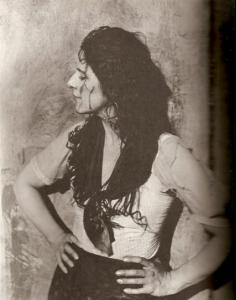
 Marta Salma Gisele Elle Cover Monica and Sophie
Great Good Morning America by Willie Nelson
When Love Comes Walking In Sammy Hagar
mason jars
Bad Santa
Harley
She has a boyfriend who I have not met yet May I please shoot someone now?
hoping these idiots don't ruin Kate for me
I hate Leonardo Dicaprio. All because of these annoying people
Good Someone Like You by Bang Tango
Marta Salma Gisele Elle Cover Monica and Sophie
Great Good Morning America by Willie Nelson
When Love Comes Walking In Sammy Hagar
mason jars
Bad Santa
Harley
She has a boyfriend who I have not met yet May I please shoot someone now?
hoping these idiots don't ruin Kate for me
I hate Leonardo Dicaprio. All because of these annoying people
Good Someone Like You by Bang Tango


Account
Search
Configure browser push notifications
Chrome (Android)
- Tap the lock icon next to the address bar.
- Tap Permissions → Notifications.
- Adjust your preference.
Chrome (Desktop)
- Click the padlock icon in the address bar.
- Select Site settings.
- Find Notifications and adjust your preference.
Safari (iOS 16.4+)
- Ensure the site is installed via Add to Home Screen.
- Open Settings App → Notifications.
- Find your app name and adjust your preference.
Safari (macOS)
- Go to Safari → Preferences.
- Click the Websites tab.
- Select Notifications in the sidebar.
- Find this website and adjust your preference.
Edge (Android)
- Tap the lock icon next to the address bar.
- Tap Permissions.
- Find Notifications and adjust your preference.
Edge (Desktop)
- Click the padlock icon in the address bar.
- Click Permissions for this site.
- Find Notifications and adjust your preference.
Firefox (Android)
- Go to Settings → Site permissions.
- Tap Notifications.
- Find this site in the list and adjust your preference.
Firefox (Desktop)
- Open Firefox Settings.
- Search for Notifications.
- Find this site in the list and adjust your preference.