

Jade Bahr
Members
-
Joined
-
Last visited
Everything posted by Jade Bahr
-
 💯 You let go, and I'm gonna have to jump in there after you. Source
 -
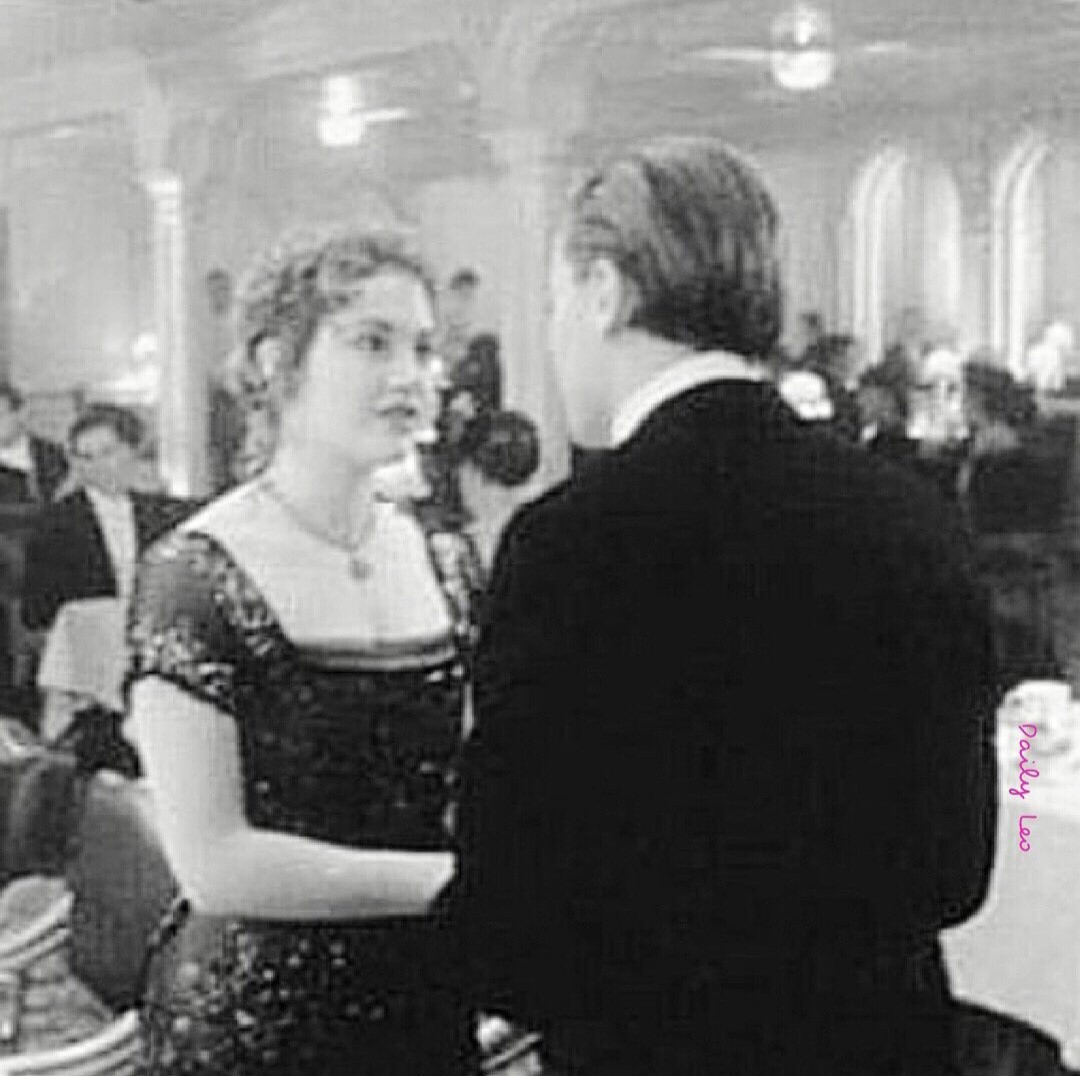
^Just a bit of sassy Rose content.... #eyebrow and overall perfection He who dares not grasp the thorn should never crave the rose. that little subtle smile in the last gif #so her Rose + sexual agency Rose + dissing toxic masculinity sassy queen Rose iconic FUCK YOU smile Rose iconic HAPPY smile part I Rose iconic HAPPY smile part II Rose + dissing all the snooty bastards around her Rose + telling Jack straight in the face she wants him Rose space being respected by a man probably the 1rst time in her life Rose + taking her life in her own hands part I Rose + taking her life in her own hands part II Rose + struggling with major trust issues because she never experienced that feeling before Rose + choosing everything but the controlling dick in front of her Rose + saving her man Rose + choosing trust and love LOL Rose DeWitt Bukater + scandilizing First Classers with her running Source: bukaters + you jump I jump
-
^ Prove me wrong but Rose is the only female main character in a 2 billion box office hit. Ever. This movie is about her. Not Jack. Of course men are complaining about her while she's surviving a world run by men Source Also she's just 17 for christ sake. What do you except? A fully thoughtful disaster concept for surviving not just for her but the "even more precious" mans life next to her? I go even further and say this whole debate wouldn't even exist if Rose had died instead of Jack. Think about that.
-
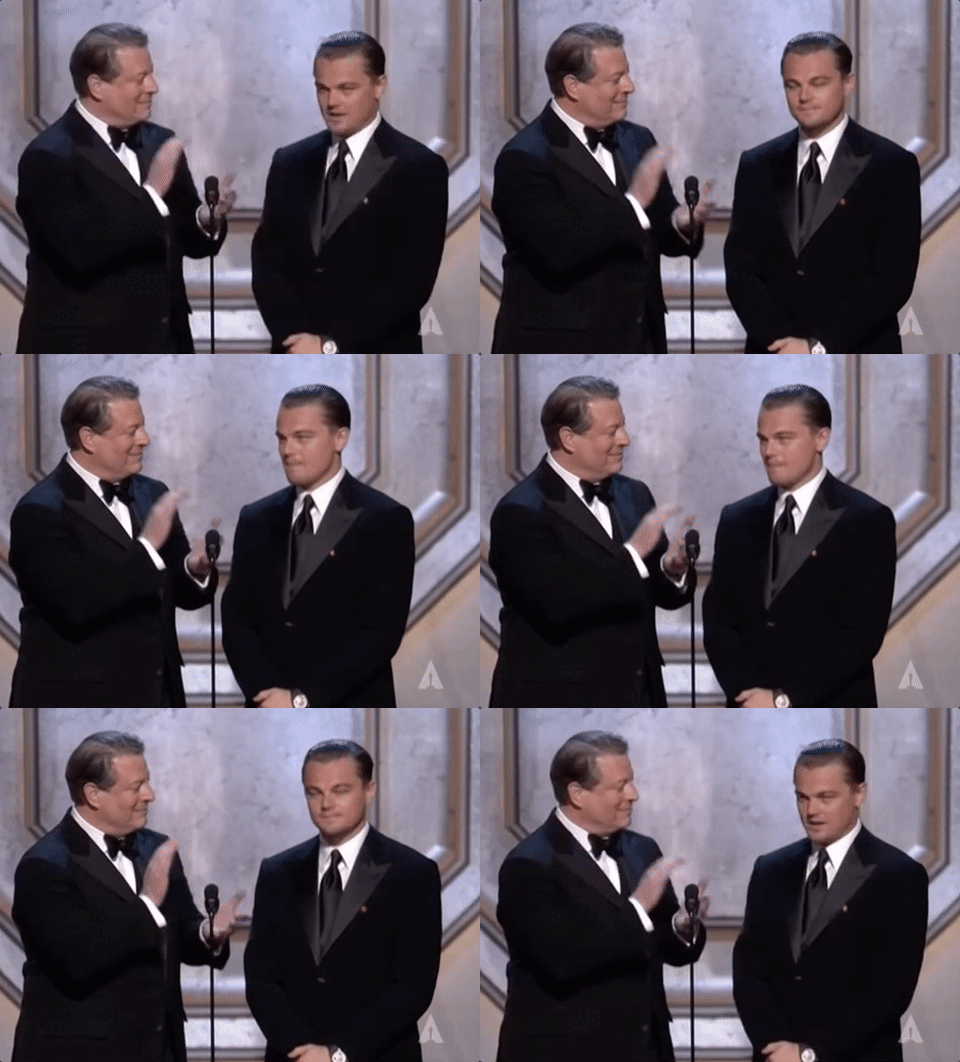
If I remember correctly he once said he doesn't like his face when he's smiling. So even a handsome man like Leo can be insecure. @Lilja KLOL to the blonde in the background 😄
-
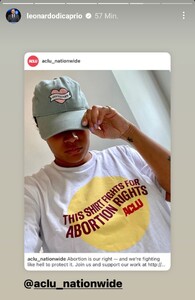
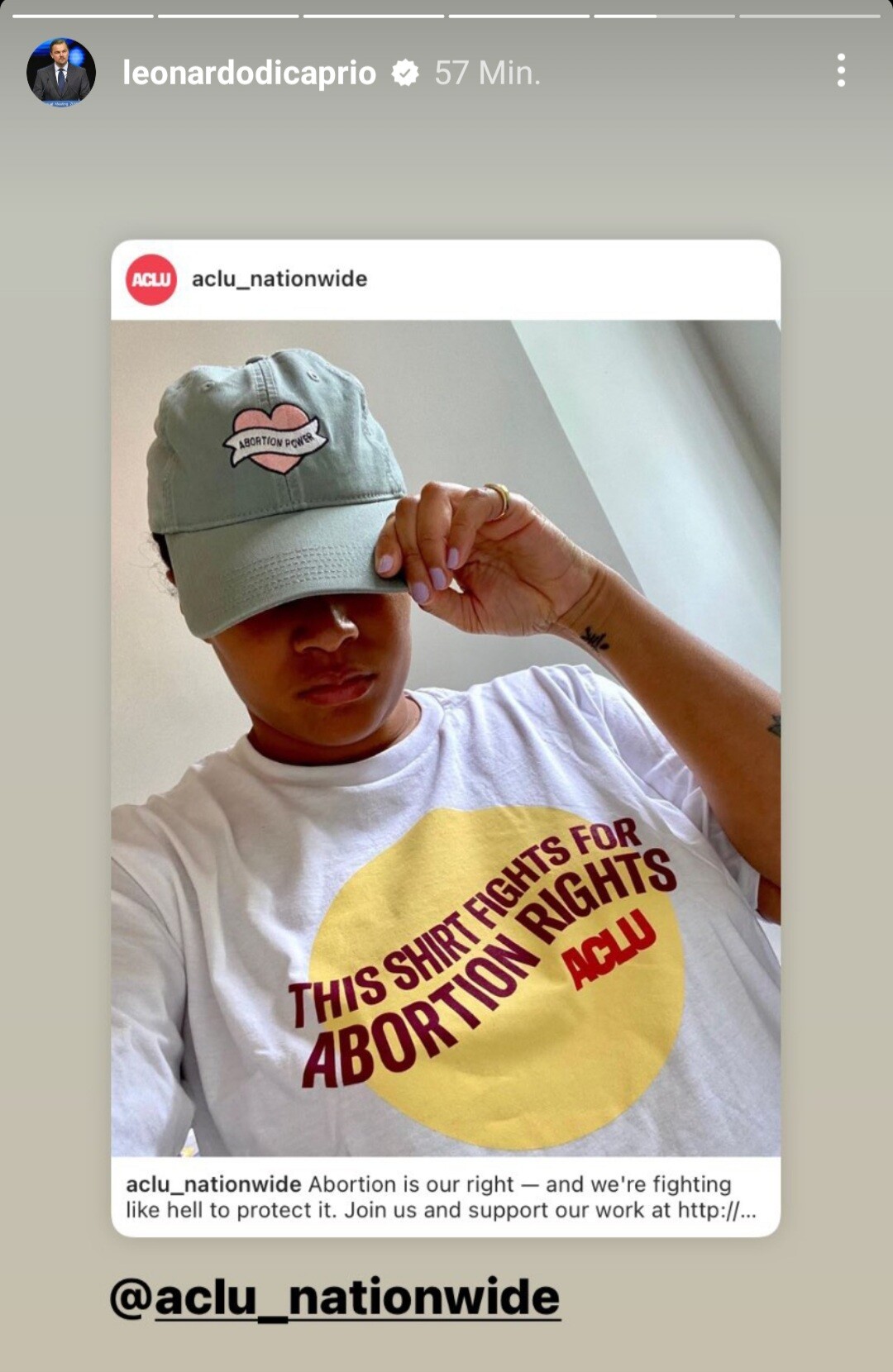
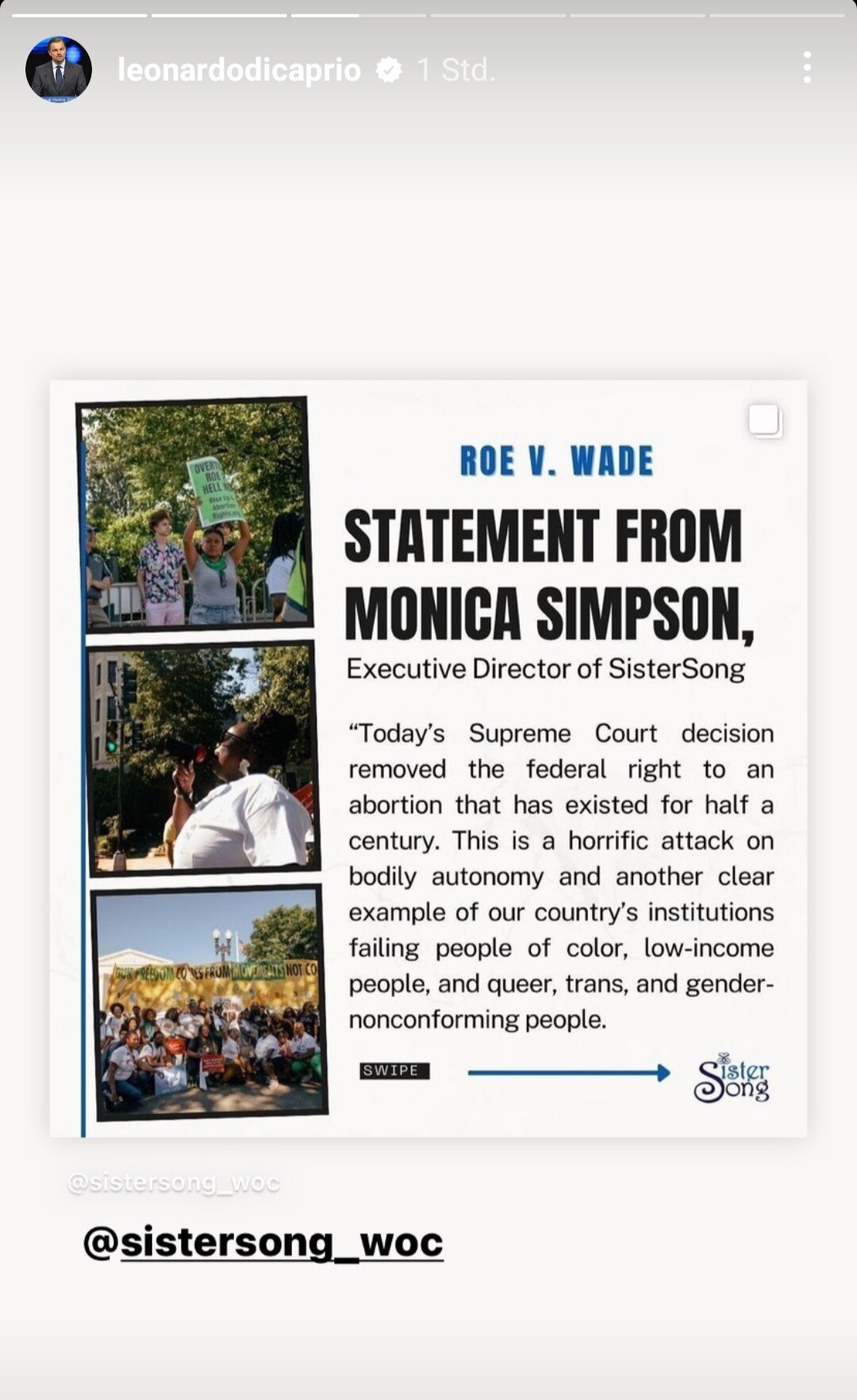
Leo supporting women rights of abortion aka the right making (informed) decisions over the own body!! Can't believe this is actual happening in the US 😱 Thx Leo 💜





-
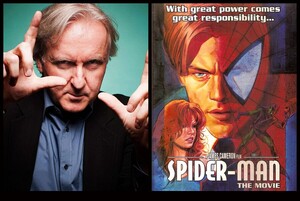
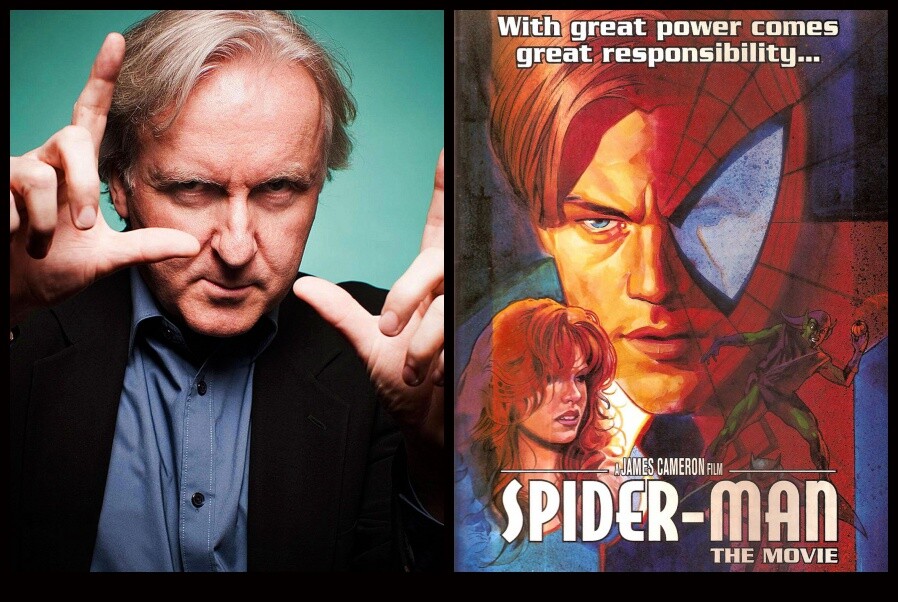
The original full script if someone's interested: spiderman.pdf Scriptment: http://www.script-o-rama.com/movie_scripts/s/spider-man-scriptment.html
-
And yet another one. The crowd is stacked these days with Leo wannabes Christopher Briney On Being Compared To Young Leonardo DiCaprio Speaking with ET Canada's Morgan Hoffman about their new series "The Summer I Turned Pretty," Christopher Briney and his co-stars Gavin Casalegno and Sean Kaufman react to him being compared to a young Leonardo DiCaprio. watch the interview here: https://etcanada.com/video/e6313ef2-f31b-11ec-996b-0242ac110004/christopher-briney-on-being-compared-to-young-leonardo-dicaprio/ When I watched the show I couldn't help but sense a little bit of Leo too If you wonder otherwise than Austin he doesn't see the resemble but appreciate the compliment. His cast mates on the other hand said it was the first thing that crossed their minds when they met Christopher LOL

-
Will watch the movie on sunday. After all the hype and Leo comparing my expectations went from to
-
I think Cameron already said a DC for Titanic won't happen a long time ago. Maybe he will change his mind one day but my hopes for this to happen aren't very high.
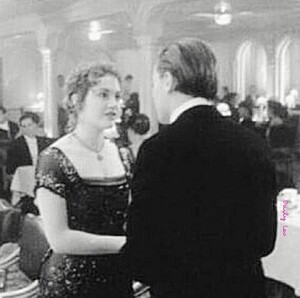
Just some behind the scenes photos I didn't know all.




 So Camila is dumb but what you're doing here is... smart?
^Funny you instantly think I referring to you LOL
It's probably for the better. Hollywood doesn't seem to make him happy for a long time.
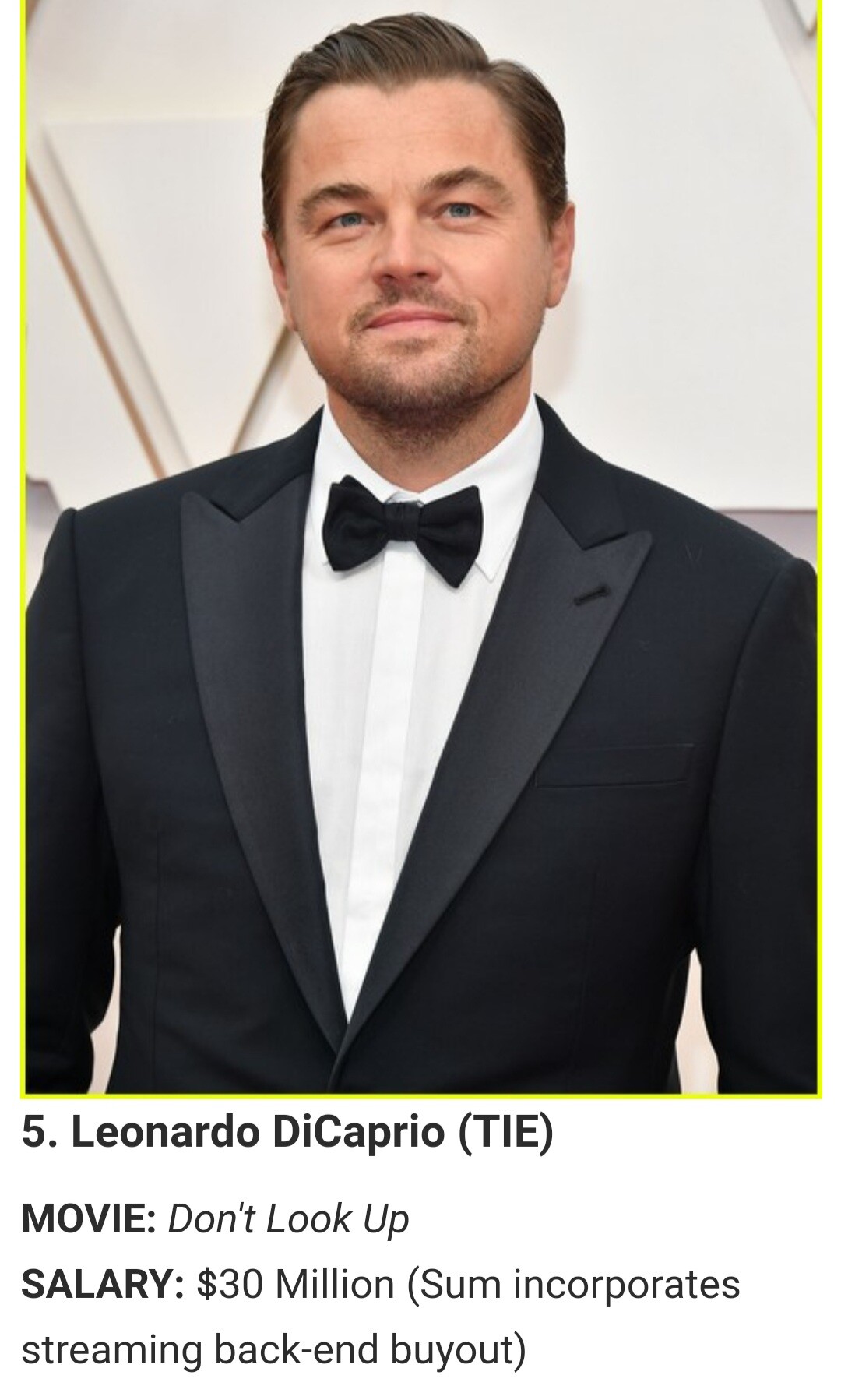
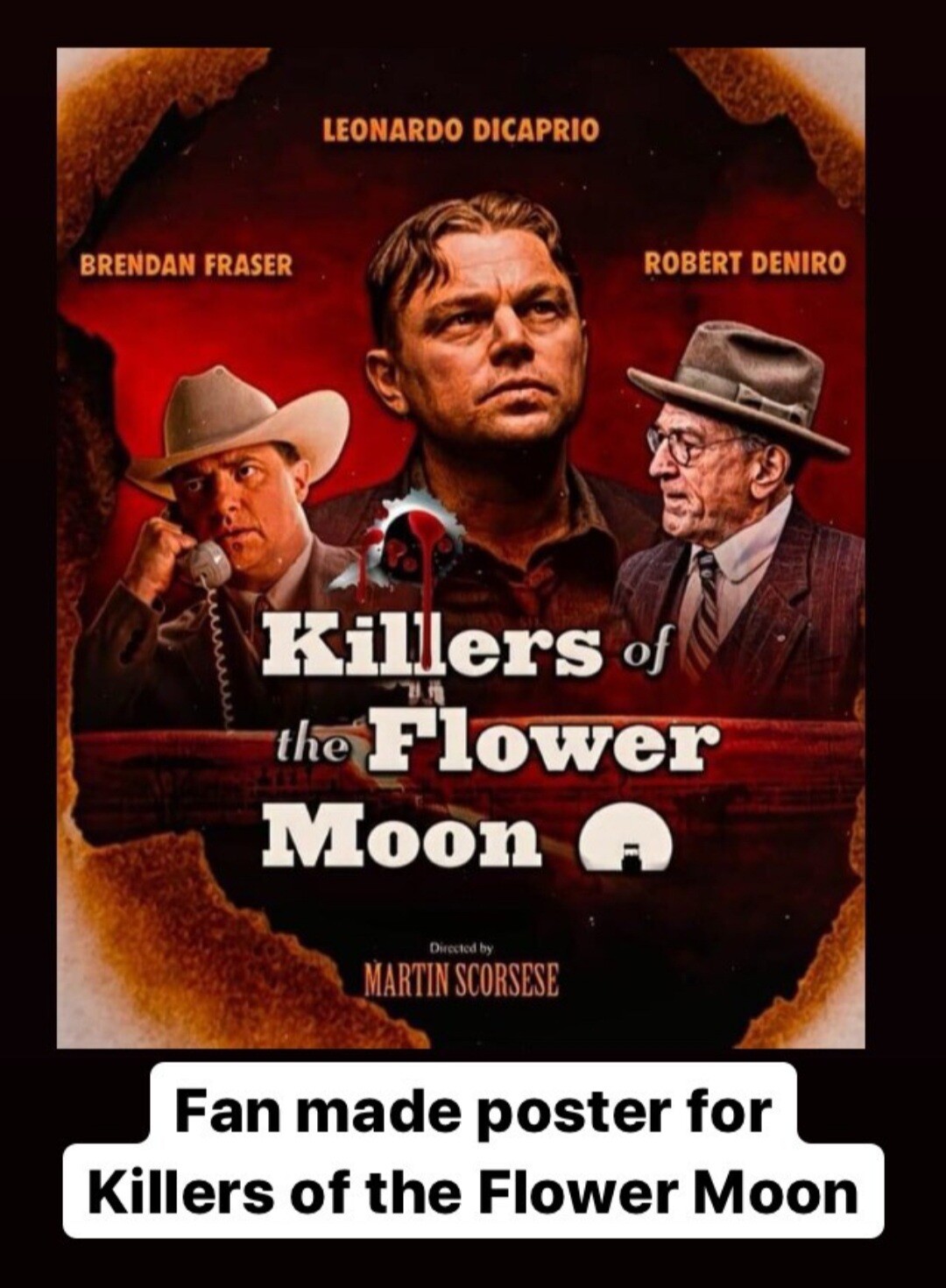
And just another list. Of course Leo is #1 #king of kings The 10 Best Male Actors Working Today, According to Ranker These actors have been a mainstay in film for as long as half a century, from Hugh Jackman to Morgan Freeman, these are the best working male actors. Summer-blockbuster season is kicking into gear with the recent release of Jurassic World: Dominion and Thor: Love and Thunder in July. Along with those big crowd-pleasers, the Martin Scorsese project Killers Of The Flower Moon, starring Leonardo DiCaprio is coming out in November, and in 2023 Gary Oldman, along with Cillian Murphy and Robert Downey Jr. will lead Oppenheimer. These are films that will go as far as their casts will carry with them, and according to Ranker, have some of the 10 best working male actors today. 1/10 Leonardo DiCaprio Widely considered the actor of his generation, Leonardo DiCaprio has cemented his place in history as one of the greatest actors ever, perfectly moving from heartthrob to "mature" actor. DiCaprio earned his first Academy Award nomination at the tender age of 19 for his role in What's Eating Gilbert Grape? His work in biopics is some of his strongest, easily melding into different time periods, as well as playing real people. DiCaprio and Martin Scorsese's collaborations have produced some of his best movies, including The Wolf of Wall Street and, The Departed. Source
Now even Austin is dreaming of becoming Leo LOL Austin Butler, the new Elvis: Cindy Crawford’s son-in-law dreams of becoming Leonardo DiCaprio After years taking small roles in commercials and series, the California actor appears in Baz Luhrmann’s upcoming film as the king of rock, a role for which he was applauded at Cannes (...) But Elvis Presley was never the young Californian’s idol. Leonardo DiCaprio took that place, but not until late: the 30-year-old actor, who taught himself to play piano and guitar, came to acting by accident, after he accompanied his stepbrother to a casting. He began to take on small roles, many of which he doesn’t even remember, in commercials and television series for teens. Not even Butler can believe his newfound success. In his years as a teen star, his greatest fame came because of his almost decade-long relationship with fellow actress Vanessa Hudgens, with whom he broke up two years ago. And while he dreamed of roles like DiCaprio in What’s Eating Gilbert Grape? (1993) or The Basketball Diaries (1995), and read and re-read the script for Pulp Fiction (1994), hoping to one day work with Quentin Tarantino, the chances seemed very remote. Amidst such “unrealistic expectations,” he has come to confess, he even thought of quitting acting and going to the other side of the camera. At least in Hollywood, there’s nothing like saying no to get the deciders to say yes. Butler played Don Parritt in The Iceman Cometh, the Eugene O’Neill play with which he debuted on Broadway, alongside Denzel Washington. And then came the dream job with Tarantino in Once Upon a Time in Hollywood (2019). Butler even seems willing to stand up to new youth idol Timothée Chalamet, securing a spot in Dune 2 as his adversary. He has also spent 10 months shooting the series Masters of the Air in England under the direction of Cary Fukunaga. Paul Thomas Anderson and Alejandro González Iñárritu are on his wish list of directors. His dream of emulating DiCaprio is taking hold on a personal level, now that Butler has made public his relationship with model Kaia Gerber, Cindy Crawford’s daughter, 10 years younger than the actor. As Luhrmann, who directed a young DiCaprio in Romeo + Juliet (1996), stated, it’s easy to see a new Leo in Austin. And the new version comes with an advantage: fame will find him already mature. Source
^Still would prefer a director's cut or if Cameron didn't want to call it like that a fan cut (or wthatever) with all those beautiful deleted scenes. Thanks and bye!!!!!!!!!!!!!!!!!!!!!!!!!!!!!!!!!! I love how Jack is this nice, kind and precious cinnamon roll throughout the entire film but the moment someone tries to get on the door that will save Rose's life, he literally threatens to kill them. ROSE + WEARING JACK’S JACKET Titanic Deleted Scene: A shooting star Titanic Deleted Scene: Rose’s Dreams Also deleting this kiss was nothing less than a crime. Titanic Deleted Scene: Boiler Room Kiss
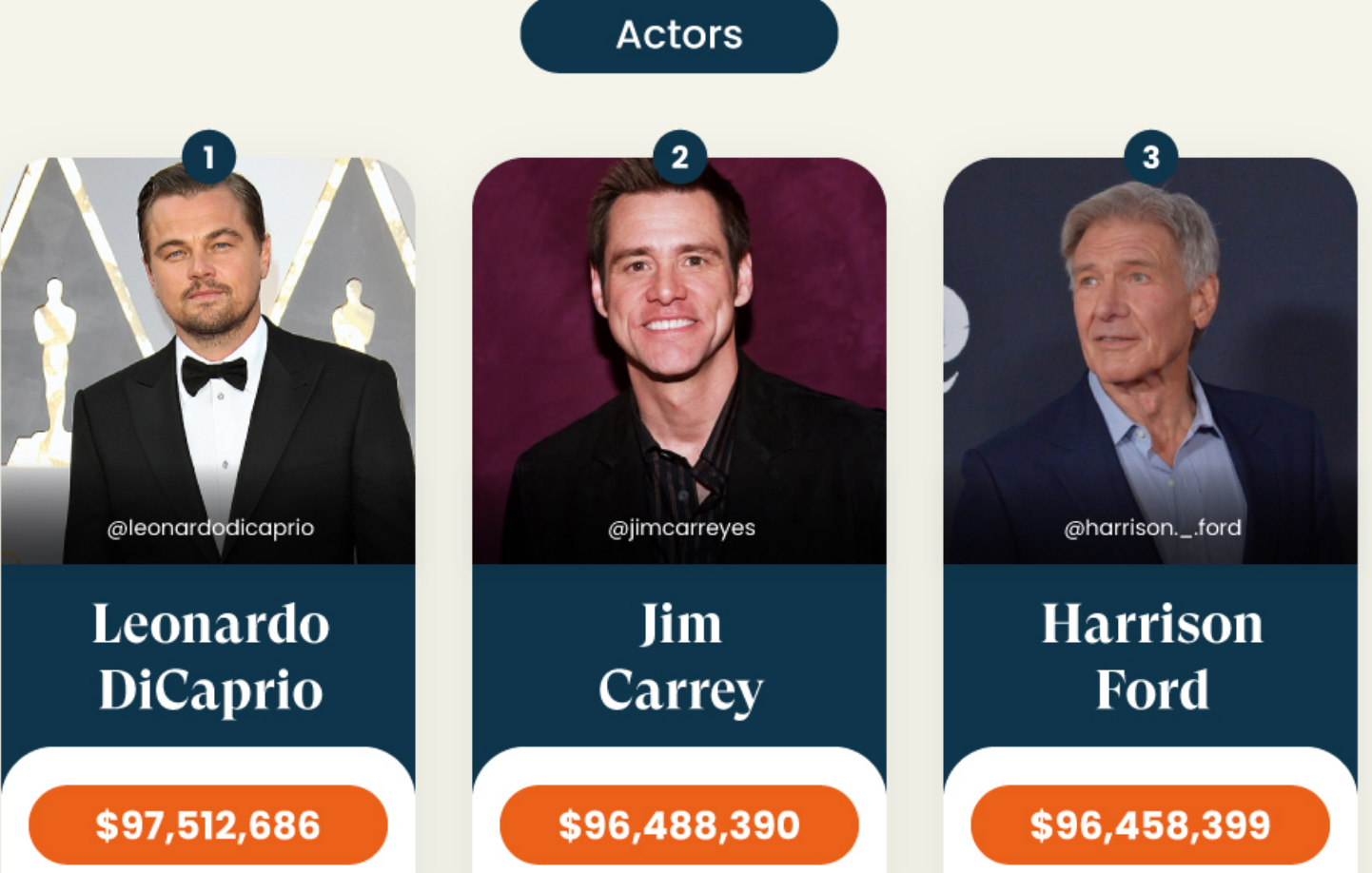
Go Leo!! Hollywood's Most Profitable Actors and Actresses Movies and cinema generate huge revenues every year, and some films far more than others. For example, the latest Avengers movie, Avengers: Endgame, generated $2.8 billion. But, how much of this is based on the film’s biggest stars? This report details the biggest box office stars based on the cumulative domestic box office revenue of all their movies in which they had a leading role. What makes a good movie, and what makes good movies make more revenue? Revenue is all about how many people pay to see the movie. Something that attracts moviegoers to specific movies, among other things, is the presence of their favourite actors and actresses. Fans will splurge on movie and theatre tickets for their favourite actors any time of year. Brilliant actors and actresses also attract moviegoers when they give stellar performances or are known for doing so. So, Hollywood will often hire actors and actresses who they believe will not just be right for the role but pull in an audience, but which actors are the most likely to be involved in movies that generate the biggest revenues in Hollywood? Highest Lifetime Revenue Highest Average Revenue - Actors 1. Leonardo DiCaprio - $97,512,686 Playing a lead role in 27 movies, Leonardo DiCaprio earns his spot as the biggest box office star for revenue per movie, averaging a staggering $97.5 million per movie. Leo is best known for his incredible range and for playing lead roles in period films or biopics. Source
So Camila is dumb but what you're doing here is... smart?
^Funny you instantly think I referring to you LOL
It's probably for the better. Hollywood doesn't seem to make him happy for a long time.
And just another list. Of course Leo is #1 #king of kings The 10 Best Male Actors Working Today, According to Ranker These actors have been a mainstay in film for as long as half a century, from Hugh Jackman to Morgan Freeman, these are the best working male actors. Summer-blockbuster season is kicking into gear with the recent release of Jurassic World: Dominion and Thor: Love and Thunder in July. Along with those big crowd-pleasers, the Martin Scorsese project Killers Of The Flower Moon, starring Leonardo DiCaprio is coming out in November, and in 2023 Gary Oldman, along with Cillian Murphy and Robert Downey Jr. will lead Oppenheimer. These are films that will go as far as their casts will carry with them, and according to Ranker, have some of the 10 best working male actors today. 1/10 Leonardo DiCaprio Widely considered the actor of his generation, Leonardo DiCaprio has cemented his place in history as one of the greatest actors ever, perfectly moving from heartthrob to "mature" actor. DiCaprio earned his first Academy Award nomination at the tender age of 19 for his role in What's Eating Gilbert Grape? His work in biopics is some of his strongest, easily melding into different time periods, as well as playing real people. DiCaprio and Martin Scorsese's collaborations have produced some of his best movies, including The Wolf of Wall Street and, The Departed. Source
Now even Austin is dreaming of becoming Leo LOL Austin Butler, the new Elvis: Cindy Crawford’s son-in-law dreams of becoming Leonardo DiCaprio After years taking small roles in commercials and series, the California actor appears in Baz Luhrmann’s upcoming film as the king of rock, a role for which he was applauded at Cannes (...) But Elvis Presley was never the young Californian’s idol. Leonardo DiCaprio took that place, but not until late: the 30-year-old actor, who taught himself to play piano and guitar, came to acting by accident, after he accompanied his stepbrother to a casting. He began to take on small roles, many of which he doesn’t even remember, in commercials and television series for teens. Not even Butler can believe his newfound success. In his years as a teen star, his greatest fame came because of his almost decade-long relationship with fellow actress Vanessa Hudgens, with whom he broke up two years ago. And while he dreamed of roles like DiCaprio in What’s Eating Gilbert Grape? (1993) or The Basketball Diaries (1995), and read and re-read the script for Pulp Fiction (1994), hoping to one day work with Quentin Tarantino, the chances seemed very remote. Amidst such “unrealistic expectations,” he has come to confess, he even thought of quitting acting and going to the other side of the camera. At least in Hollywood, there’s nothing like saying no to get the deciders to say yes. Butler played Don Parritt in The Iceman Cometh, the Eugene O’Neill play with which he debuted on Broadway, alongside Denzel Washington. And then came the dream job with Tarantino in Once Upon a Time in Hollywood (2019). Butler even seems willing to stand up to new youth idol Timothée Chalamet, securing a spot in Dune 2 as his adversary. He has also spent 10 months shooting the series Masters of the Air in England under the direction of Cary Fukunaga. Paul Thomas Anderson and Alejandro González Iñárritu are on his wish list of directors. His dream of emulating DiCaprio is taking hold on a personal level, now that Butler has made public his relationship with model Kaia Gerber, Cindy Crawford’s daughter, 10 years younger than the actor. As Luhrmann, who directed a young DiCaprio in Romeo + Juliet (1996), stated, it’s easy to see a new Leo in Austin. And the new version comes with an advantage: fame will find him already mature. Source
^Still would prefer a director's cut or if Cameron didn't want to call it like that a fan cut (or wthatever) with all those beautiful deleted scenes. Thanks and bye!!!!!!!!!!!!!!!!!!!!!!!!!!!!!!!!!! I love how Jack is this nice, kind and precious cinnamon roll throughout the entire film but the moment someone tries to get on the door that will save Rose's life, he literally threatens to kill them. ROSE + WEARING JACK’S JACKET Titanic Deleted Scene: A shooting star Titanic Deleted Scene: Rose’s Dreams Also deleting this kiss was nothing less than a crime. Titanic Deleted Scene: Boiler Room Kiss
Go Leo!! Hollywood's Most Profitable Actors and Actresses Movies and cinema generate huge revenues every year, and some films far more than others. For example, the latest Avengers movie, Avengers: Endgame, generated $2.8 billion. But, how much of this is based on the film’s biggest stars? This report details the biggest box office stars based on the cumulative domestic box office revenue of all their movies in which they had a leading role. What makes a good movie, and what makes good movies make more revenue? Revenue is all about how many people pay to see the movie. Something that attracts moviegoers to specific movies, among other things, is the presence of their favourite actors and actresses. Fans will splurge on movie and theatre tickets for their favourite actors any time of year. Brilliant actors and actresses also attract moviegoers when they give stellar performances or are known for doing so. So, Hollywood will often hire actors and actresses who they believe will not just be right for the role but pull in an audience, but which actors are the most likely to be involved in movies that generate the biggest revenues in Hollywood? Highest Lifetime Revenue Highest Average Revenue - Actors 1. Leonardo DiCaprio - $97,512,686 Playing a lead role in 27 movies, Leonardo DiCaprio earns his spot as the biggest box office star for revenue per movie, averaging a staggering $97.5 million per movie. Leo is best known for his incredible range and for playing lead roles in period films or biopics. Source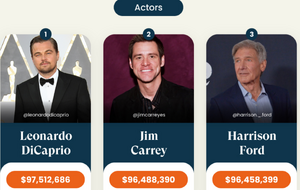 The last photo of this shooting is everything





 ^To hold the hype about his performance til the oscars will be hard no matter what. Did that ever happen? A "spring/summer" performance win the oscar? Also I'm having a hard time to believe the oscar jury would pick a young male overly handsome first time nominee for win. Not to forget if Marty is managing to finish KOTFM this year in time Austin would compete against Leo LOL
This seem to be the main pr strategy of ELVIS. Comparing Austin to Leo. more: https://www.joe.ie/movies-tv/elvis-austin-butler-leonardo-dicaprio-749671
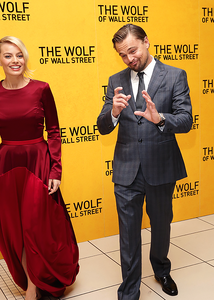
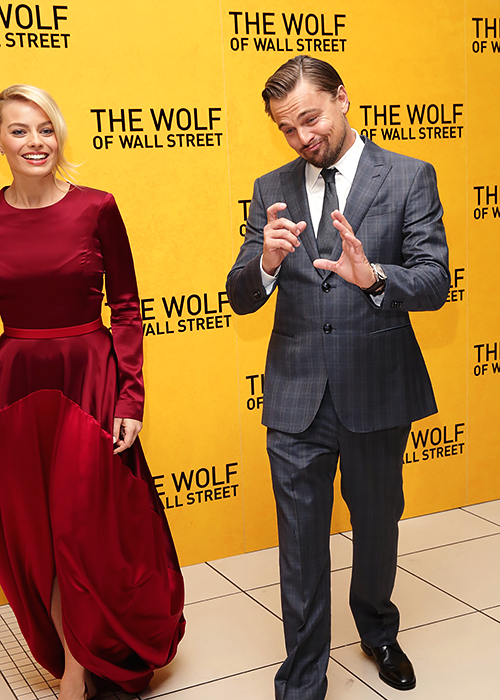
2011 seems a very busy year for Leo - from Bar to Blake to Erin, now also Margot and not to forget the trillions of models in australia he accordingly banged. Impressive he still managed to finish Gatsby during this massive pussy hunt (also cudos to his never ending man power LOL)
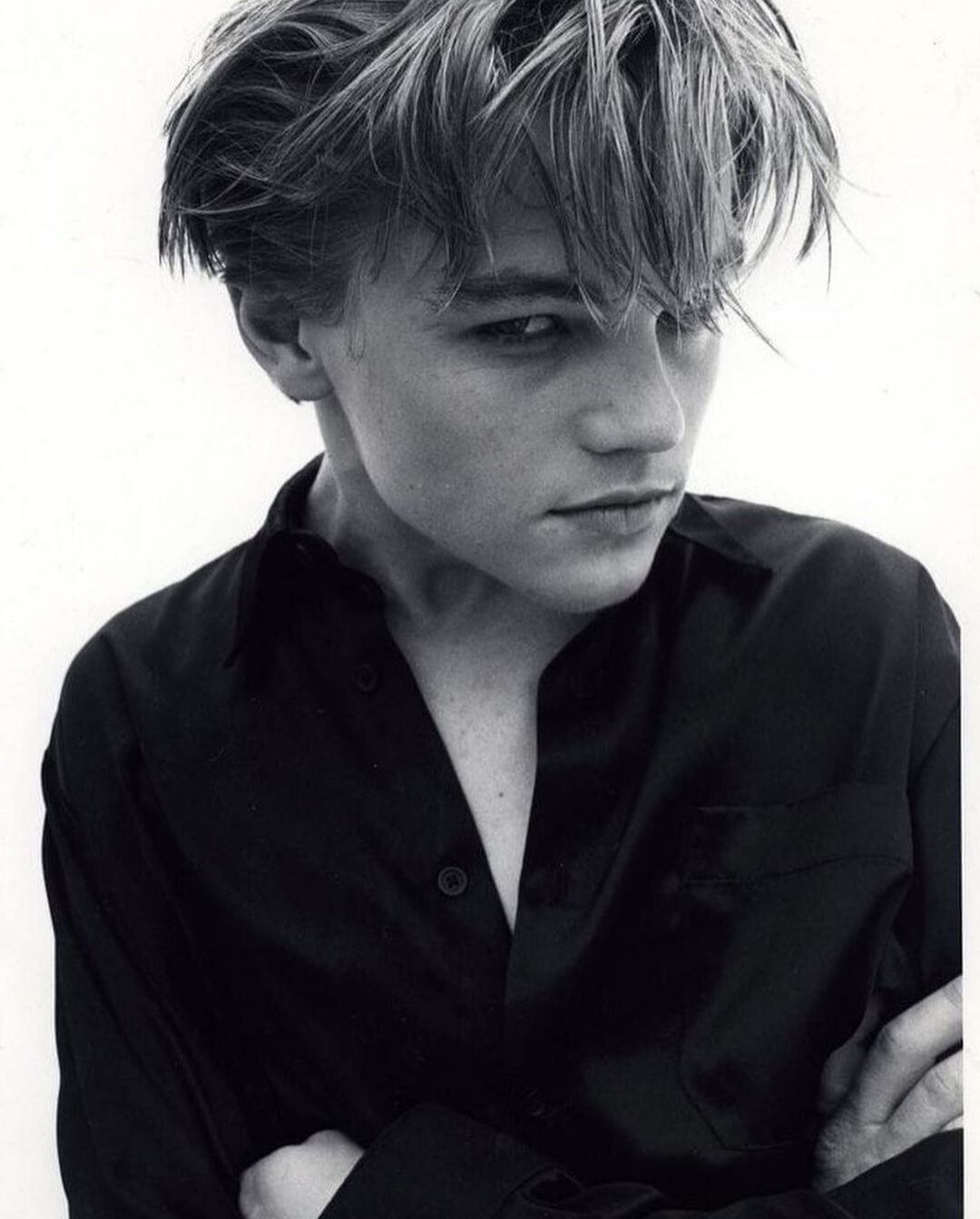
Deuxmoi isn't the holy grail of gossip. She's not even fact checking the messages she got. So everything people claim to know about Leo and Margot lately could be just a bunch of bullshit. But for example in 2011 several events were held in memory of Heath. So it's not like he died in 2008 and the world never spoke about him again. God and wasn't he gorgeous?
^To hold the hype about his performance til the oscars will be hard no matter what. Did that ever happen? A "spring/summer" performance win the oscar? Also I'm having a hard time to believe the oscar jury would pick a young male overly handsome first time nominee for win. Not to forget if Marty is managing to finish KOTFM this year in time Austin would compete against Leo LOL
This seem to be the main pr strategy of ELVIS. Comparing Austin to Leo. more: https://www.joe.ie/movies-tv/elvis-austin-butler-leonardo-dicaprio-749671
2011 seems a very busy year for Leo - from Bar to Blake to Erin, now also Margot and not to forget the trillions of models in australia he accordingly banged. Impressive he still managed to finish Gatsby during this massive pussy hunt (also cudos to his never ending man power LOL)
Deuxmoi isn't the holy grail of gossip. She's not even fact checking the messages she got. So everything people claim to know about Leo and Margot lately could be just a bunch of bullshit. But for example in 2011 several events were held in memory of Heath. So it's not like he died in 2008 and the world never spoke about him again. God and wasn't he gorgeous?

















Account
Navigation
Search
Configure browser push notifications
Chrome (Android)
- Tap the lock icon next to the address bar.
- Tap Permissions → Notifications.
- Adjust your preference.
Chrome (Desktop)
- Click the padlock icon in the address bar.
- Select Site settings.
- Find Notifications and adjust your preference.
Safari (iOS 16.4+)
- Ensure the site is installed via Add to Home Screen.
- Open Settings App → Notifications.
- Find your app name and adjust your preference.
Safari (macOS)
- Go to Safari → Preferences.
- Click the Websites tab.
- Select Notifications in the sidebar.
- Find this website and adjust your preference.
Edge (Android)
- Tap the lock icon next to the address bar.
- Tap Permissions.
- Find Notifications and adjust your preference.
Edge (Desktop)
- Click the padlock icon in the address bar.
- Click Permissions for this site.
- Find Notifications and adjust your preference.
Firefox (Android)
- Go to Settings → Site permissions.
- Tap Notifications.
- Find this site in the list and adjust your preference.
Firefox (Desktop)
- Open Firefox Settings.
- Search for Notifications.
- Find this site in the list and adjust your preference.