COP11
Members
-
Joined
Everything posted by COP11
-
 I won't name names but he was an egotistical maniac bodybuilder. He spent the whole dinner looking in the mirror at himself. Personality of a doormat. Horrible. Do you think you are a good cook?
 -
sea salt caramels
-
Washington, D.C.
-
Guilty Had sex on your lunchbreak?
-
Gone With the Wind
-
Yes I picked my crying kids up from Soccer camp. Their poor coach had to hear them for an hour Do you like to fish?
-
Okay roasted corn on the cob
-
One of my all time favorites so ON! Run by Pink Floyd
-
-
Uruguay
-
My house of course but this state, not really Do you laugh at people on here who get so upset over stupid things? Like when their favorite model loses in a competition
-
Not guilty Took off work to go home and be a bum
-
Ezra
-
85 is too hot for me Do you want to live somewhere else?
-
Hell yes Do you think you're mean at times and don't even realize it?
-
-
Theodora
-
Seattle, WA
-
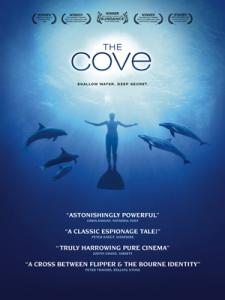
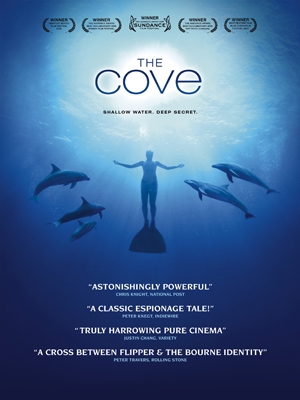
The Cove is a 2009 documentary film that analyzes and questions Japan's dolphin hunting culture. It was awarded the (2010) Academy Award for Best Documentary Feature. The film is a call to action to halt mass dolphin kills; change Japanese fishing practices; and to inform and educate the public about the risks, and increasing hazard, of mercury poisoning from dolphin meat. The film is told from an ocean conservationist's point of view. The film highlights the fact that the number of dolphins killed in the Taiji dolphin hunting drive is several times greater than the number of whales killed in the Antarctic, and claims that 23,000 dolphins and porpoises are killed in Japan every year by the country's whaling industry. The migrating dolphins are herded into a hidden cove where they are netted and killed by means of spears and knives over the side of small fishing boats. The film argues that dolphin hunting as practiced in Japan is unnecessary and cruel. The film was directed by former National Geographic photographer Louie Psihoyos. Portions were filmed secretly during 2007 using underwater microphones and high-definition cameras disguised as rocks. The documentary won the U.S. Audience Award at the 25th annual Sundance Film Festival in January 2009. It was selected out of the 879 submissions in the category. Synopsis The film follows former dolphin trainer Ric O'Barry's quest to document the dolphin hunting operations in Taiji, Wakayama, Japan. In the 1960s, O'Barry helped capture and train the five wild dolphins who shared the role of "Flipper" in the hit television series of the same name. The show, a pop-culture phenomenon, fueled widespread public adoration of dolphins, influencing the development of marine parks that included dolphins in their attractions. After one of the dolphins, in O'Barry's opinion, committed a form of suicide in his arms by closing her blowhole voluntarily in order to suffocate, O'Barry came to see the dolphin's captivity as a curse, not a blessing. Days later, he was arrested off the island of Bimini, attempting to cut a hole in the sea pen in order to set free a captured dolphin Since then, according to the film, O'Barry has dedicated himself full-time as an advocate on behalf of dolphins around the world. After meeting with O'Barry, Psihoyos and his crew travel to Taiji, Japan, a town that appears to be devoted to the wonder of the dolphins and whales that swim off its coast. In a nearby, isolated cove, however, surrounded by wire fences and "Keep Out" signs, an activity takes place that the townspeople attempt to hide from the public. In the cove, a group of Taiji fishermen engage in dolphin drive hunting. The film states that the dolphin hunt is, in large part, motivated by the tremendous revenue generated for the town by selling some of the captured dolphins to aquariums and marine parks. The dolphins that are not sold into captivity are then slaughtered in the cove and the meat is sold in supermarkets. According to anecdotal evidence presented in the film, most Japanese are unaware of the hunt or the marketing of dolphin meat. The film states that the dolphin meat contains dangerously high levels of mercury and profiles local politicians who have, for that reason, advocated the removal of dolphin meat from local school lunches. Attempts to view or film the dolphin killing in the cove are physically blocked by local volunteers who treat the visitors with open intimidation, derision, and anger. Foreigners who come to Taiji, including The Cove's film crew, are shadowed and questioned by local police. In response, together with the Oceanic Preservation Society, Psihoyos, O'Barry, and the crew utilize special tactics and technology to covertly film what is taking place in the cove. The film also reports on the alleged "buying" by Japan of votes in the International Whaling Commission. The film indicates that while Dominica has withdrawn from the IWC, Japan has recruited the following nations to its whaling agenda: Cambodia, Ecuador, Eritrea, Guinea-Bissau, Kiribati, Laos, and the Republic of the Marshall Islands. This is not entirely accurate, however, as Ecuador has been a strong opponent of whaling. At the end of the film, O'Barry marches into a meeting of the Commission carrying a TV showing footage of the Taiji dolphin slaughter. O'Barry walks around the crowded meeting room displaying the images until he is escorted from the room. Production In the film, Ric O'Barry states, "Today they would kill me, if they could. And I'm not exaggerating, if these fisherman could catch me and kill me, they would." The film shows KernerFX's (previously part of ILM) contribution of specialized camouflaged high-definition cameras that were designed to look like rocks. These hidden cameras helped capture footage and were so well camouflaged that, according to director Louie Psihoyos, the crew had a hard time finding them again. Filming controversy in Japanese media Some media in Japan have questioned whether one scene was manufactured for the camera, discussed whether the movie should properly be called a documentary and sought to discredit it. Louie Psihoyos, the documentary’s director, argues that such allegations are fabricated to protect the local whaling industry and that none of the scenes in the film were staged. An NHK TV program alleged that various techniques were used by anti-hunt activists in the film to irritate local people by saying nasty words both in Japanese and English, and then using violence or aggressive tactics with local fishermen until local police arrived. NHK concluded that the activists did so in order to shoot angry and wild expression of local fishermen on film and in photos. Reception Critical reviews and reactions The film received very positive reviews from critics. Roger Ebert gave the film four stars (out of four), calling the film "a certain Oscar nominee." Jeannette Catsoulis of The New York Times called the film "an exceptionally well-made documentary that unfolds like a spy thriller," going on to describe it as "one of the most audacious and perilous operations in the history of the conservation movement." Other reviewers also played up the espionage angle of the film, including Time Magazine's Mary Pols who said that The Cove "puts Hollywood capers like Mission Impossible to shame," and Peter Rainer of The Christian Science Monitor, who called it "a rousing piece of real-world thriller filmmaking." Film review aggregator Rotten Tomatoes reported that 96% of critics had given the film positive reviews, based upon 115 total reviews, summarizing the consensus as "Though decidedly one-sided, The Cove is an impeccably crafted, suspenseful exposé of the covert slaughter of dolphins in Japan." At Metacritic, which assigns a normalized rating out of 100 to reviews from mainstream critics, the film has received an average score of 82, based on 26 reviews. There were several unfavourable reviews, usually describing the film as well-made propaganda. David Cox of The Guardian Film Blog called it a "piece of evangelism", and subsumed that from a Japanese point of view "Westerners... kill and eat cows. Easterners eat dolphins. What's the difference?". Academic Ilan Kapoor, echoing the famous phrase by Gayatri Spivak, argues that "it's a case of (mostly) 'white men saving cute dolphins from yellow men.'" Hirotaka Akamatsu, Japanese Minister of Agriculture and Fisheries, said "it is regrettable that this movie is made as a message that brutal Japanese are killing cute dolphins". According to Michelle Orange of Movie Line "How much of this (The Cove) should we believe? As a piece of propaganda, The Cove is brilliant; as a story of ingenuity and triumph over what seems like senseless brutality, it is exceptionally well-told; but as a conscientious overview of a complex and deeply fraught, layered issue, it invokes the same phrase as even the most well-intentioned, impassioned activist docs: Buyer beware." There has been some controversy over the depiction of the Japanese people in the film. However, upon questioning, director Louie Psihoyos said of his sympathy for the Japanese people, many of whom are unaware of the situation at the cove, "To me, it's a love letter. I'm giving you the information your government won't give you." After the screening of the film in Sydney, Melbourne and Brisbane film festivals, the councillors of the Shire of Broome, Western Australia, voted unanimously in August 2009 to suspend its sister city relationship with the Japanese whaling port town of Taiji, as long as the latter continues its dolphin slaughter. The decision was reversed in October 2009. Whale/dolphin hunting season in Japan begins on September 1 each year. The 2009 whale/dolphin hunting began on September 9. Although activists tend to believe that it was because of the publicity generated by the film, it has been reported that the delay was due to the weather and rough seas. According to campaigners, out of the 100 dolphins captured on September 9, some were taken to be sold to marine museums and the rest were released, while 50 pilot whales were killed and sold for meat on the same day. While campaigners claim that it has become apparent that The Cove is having an impact on the way in which Japanese fisherman normally conduct the dolphin hunt, on 23 March 2010 the Japanese government stated "The dolphin hunting is a part of traditional fishery of this country and it has been lawfully carried out." Upon the film's winning the Oscar, the town mayor of Taiji and the chief of Taiji Fishery Union said "The hunt is performed legally and properly with the permission of Wakayama Prefecture [local government]." Several people who appear in the film, including Taiji assemblyman Hisato Ryono and Tetsuya Endo, an associate professor at Health Sciences University of Hokkaido, say that they were lied to by the documentary's producers about what the film would contain. Since the release of the film, a much larger number of activists, mainly non-Japanese, have visited Taiji to protest or film the dolphin hunts. The Taiji fishermen responded by constructing an elaborate structure of tarps to better conceal the drive-hunting activities in and around the cove. Release in Japan The film was initially screened only at two small venues in Japan: at the Foreign Correspondents' Club in Tokyo in September 2009, and at the Tokyo International Film Festival in October 2009 where it received mixed reviews. A Japanese film distributor, Medallion Media/Unplugged, subsequently acquired the rights to screen the film in Japan. The company hoped to begin a run of the movie in Japanese cinemas in June 2010. Medallion prepared the documentary for presentation in Japan by pixelating the faces of Taiji residents and fishermen depicted in the film. Nationalist protesters vowed to block the release of the film in Japan and dozens equipped with loudspeakers have demonstrated outside of the distributor's office in central Tokyo. As of June 2010, the controversy over the film and the film's subject had received little press attention in Japanese-language media in Japan. Boyd Harnell of the Japan Times stated on May 23, 2010, that Japanese news editors had told him that the topic was "too sensitive" for them to cover. In April 2010, Colonel Frank Eppich, the United States Air Force vice commander of Yokota Air Base, located near Tokyo, banned screenings of the film at the base theater. A base spokesman said that The Cove was banned because using a base venue to display the film could be seen as an endorsement of the film. The spokesman added, "We have a lot of issues with Japan ... and anything done on an American base would be seen as an approval of that event." In response, Louie Psihoyos said that he would give away 100 DVD copies of the film for free to Yokota base personnel. A screening scheduled for June 26, 2010 at Theater N in Shibuya was canceled after staff were harassed by right-wing protesters. Unplugged stated that it was in negotiations with other theaters to screen the film. Another theater in Tokyo and one in Osaka subsequently declined to screen the film. In response, a group of 61 media figures, including journalist Akihiro Ōtani and filmmaker Yoichi Sai, released a statement expressing concern over the threat to freedom of speech by the intimidation of right-wing groups. The Directors Guild of Japan also asked theaters not to stop showing the film, arguing that "such moves would limit opportunities to express thoughts and beliefs, which are the core of democracy." On June 9, 2010, Tsukuru Publishing Co. sponsored a screening of the film and panel discussion at Nakano Zero theater in Nakano, Tokyo. The panelists included five who had signed the statement above. Afterwards, panel member Kunio Suzuki, former head of Issuikai, an Uyoku dantai (rightist) group, condemned the right-winger's threats against theaters and urged that the film be shown. "Not letting people watch the movie is anti-Japanese," said Suzuki. In response to the cancellation of screenings of the film in Japan, Japanese video sharing site Nico Nico Douga screened the film for free on June 18, 2010. The same week, Ric O'Barry was invited to speak at several universities in Japan about the film. O'Barry stated that he was planning on bringing several Hollywood stars to Taiji in September 2010 in an attempt to halt that year's hunt. On July 3, 2010, six theaters in Sendai, Tokyo, Yokohama, Kyoto, Osaka, and Hachinohe began screening the film. Right-wing nationalists protested outside four of the theaters, but close police supervision prevented any disruption to the viewing schedules and ensured free access for viewers to the theaters. The two in Tokyo and Yokohama were successful in obtaining prior court injunctions prohibiting protests outside their venues. A local Taiji activist group, called People Concerned for the Ocean, announced that they would distribute DVDs of the film, dubbed in Japanese, to all 3,500 residents of Taiji. The DVDs were to be distributed to the residents on 5-6 March 2011. Lawsuit and allegations of inaccuracy The assistant chief of the whaling division at Japan's Fisheries Agency Hideki Moronuki is portrayed as having been fired in the movie. However Moronuki was not fired, and is still working for Japan's Fisheries Agency. Close-up Gendai, a Japanese social affairs television program, showed a video-conference in English with Psihoyos and asked how he came to think Moronuki was fired. Psihoyos stated that he met Akira Nakamae, the Deputy Minister of Fisheries, on an airplane going to the 2008 IWC meeting in Santiago and was told then, but Nakamae denied ever having such a meeting. Tetsuya Endō, an associate professor of the Health Sciences University of Hokkaido who is shown in the film discussing the high mercury content of dolphin meat, is suing the Japanese rights-holder, Medallion Media, and the distributor, Unplugged, for ¥11 million over what Endō said were misleading edits of his comments in the film which have damaged his reputation. The litigation opened in Tokyo District Court on 1 December 2010. Sea World spokesperson Fred Jacobs has responded by saying that, "We think we're being unfairly criticized for something we're opposed to." He adds that, "SeaWorld opposes the dolphin hunts documented in The Cove. We do not purchase any animals from these hunts. More than 80 percent of the marine mammals in our care were born in our parks. We haven't collected a dolphin from the wild in decades." O'Barry has thus been criticized for emphasizing that dolphinariums are a large contributing factor to the economic success of the dolphin slaughter in Taiji and for encouraging boycotts of dolphin shows to protest the dolphin slaughter. The scene in The Cove that displays a map consisting of arrows emanating from Taiji and pointing to countries with dolphinariums has been said to be misleading since the majority of those countries do not currently have dolphins of Japanese origin. In the United States it is currently illegal to import dolphins obtained from a drive, including the drive hunt at Taiji, as it is considered an inhumane method. Since 1993 there have been no permits issued to facilities in the United States to import dolphins acquired through drive hunt methods. Marilee Menard, the executive director of the Alliance of Marine Mammal Parks and Aquariums, has also stated that she believes that the filmmakers are "misrepresenting that the majority of zoos and aquariums with dolphins around the world are taking these animals." Noteworthy achievements The Cove has enjoyed success across the globe, winning awards from all corners of the world, winning over 25 well-respected film awards. Some notable awards include "Best Documentary" from the Environmental Media Awards, Three Cinema Eye Honors for "Outstanding Achievement", the “Golden Tomato Award” from the critic website rottentomatoes.com, and the Academy Award for Best Documentary Feature on the 82nd Annual Academy Awards. Awards and nominations The Cove has been nominated for or received numerous awards, including the following: 82nd Academy Awards (2010) - Best Documentary Feature (won) 62nd Writers Guild Awards (2009) - Best Documentary Feature Screenplay (February 20, 2010) Directors Guild Awards (2009) - Outstanding Directorial Achievement in Documentary, Directors Guild of America (January 31, 2010) National Board of Review - Best Documentary, (December 3, 2009) 15th BFCA Critics' Choice Awards (2009) - Best Documentary Feature, Critics' Choice Awards in Los Angeles (January 15, 2010) Los Angeles Film Critics Association - Best Documentary Toronto Film Critics Association Awards (2009) - Allan King Documentary Award (December 16, 2009) Toronto Film Critics Association Awards (2009) - Best Documentary Feature (December 16, 2009) Newport Beach Film Festival (2009) - Audience Award for Best Documentary New York Film Critics Online (NYFCO) - Best Documentary (December 13, 2009) Sheffield Doc/Fest (2009) - The Sheffield Green Award (November 8, 2009) Traveling through film festivals and social events all around the United States, The Cove has also received the best documentary nod from many critics organizations, including The Boston Society of Film Critics, San Diego Film Critics Society, Dallas/Ft. Worth Film Critics Association, Utah Film Critics Association, Florida Film Critics Association,Houston Film Critics Association and the Denver Film Critics Society. As the film has received more and more recognition, the Oceanic Preservation Society translated their website into multiple languages to cater to interest from around the world. 82nd Academy Awards controversy There was some controversy when The Cove won the 2010 Academy Award for Best Documentary. ABC cameras abruptly cut away to the crowd when former dolphin trainer and dolphin activist Ric O'Barry raised a banner urging the audience to "Text DOLPHIN to 44144". TV Guide labeled the moment as "Fastest Cutaway", and film critic Sean Means wrote it showed that the Oscar ceremony was "studiously devoid of genuine excitement."
-
Ginta Lapina 10 Janeta Samp 12 Olga Kurylenko 8
-
God no! Do you send your kids to camp in the summer?
-
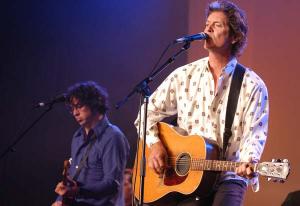
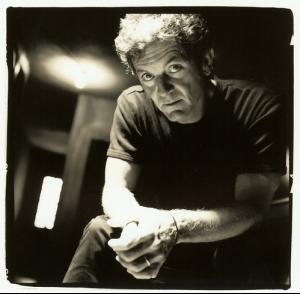
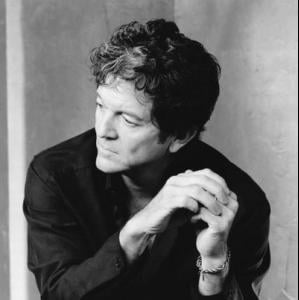
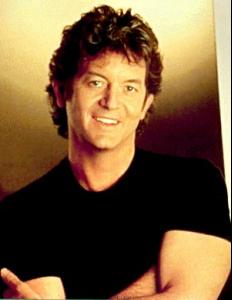
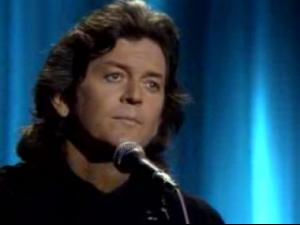
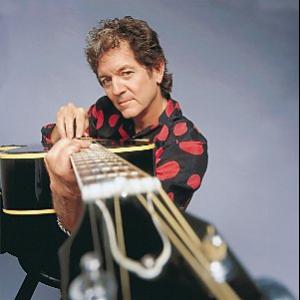
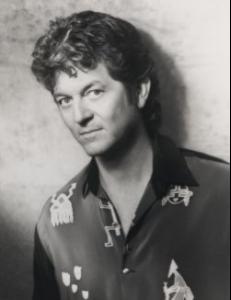
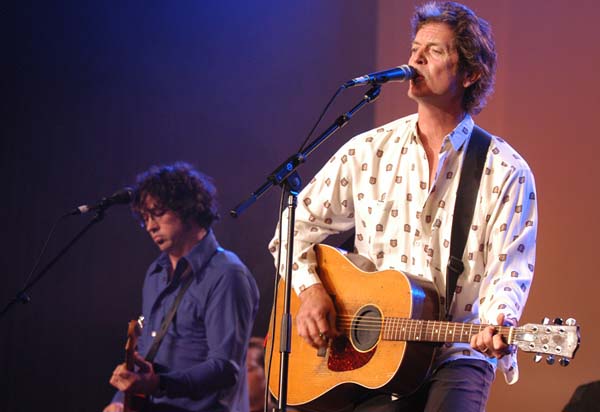
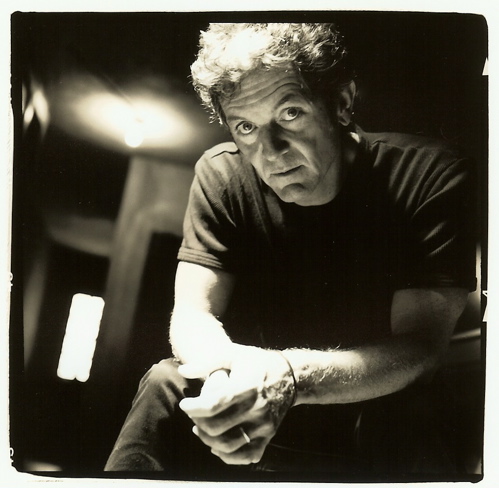
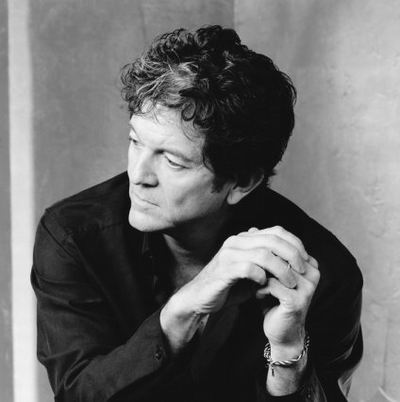
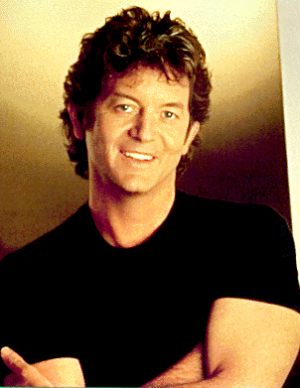
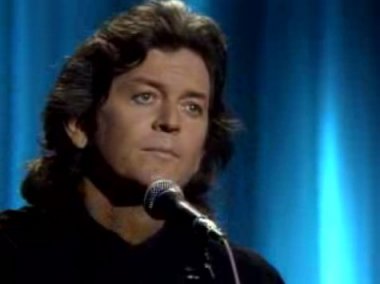
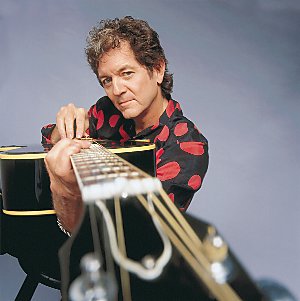
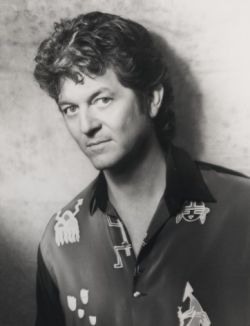
Rodney Crowell (born August 7, 1950) is a Grammy Award-winning musician, known primarily for his work as a singer and songwriter in country music. He is part of both the alternative country and the mainstream country music camps. He was influenced by songwriters Guy Clark and Townes Van Zandt. Crowell played guitar and sang for three years in Emmylou Harris' "Hot Band". Biography Early life Crowell was born August 7, 1950 in Crosby, Texas to James Walter Crowell and Addie Cauzette Willoughby. He had come from a musical family, with one grandfather being a church choir leader and the other a bluegrass banjo player. His grandmother played guitar and his father sang semi-professionally at bars and Honky tonks. At age 11, he starting playing drums in his father's band. In his teen years, he played in various garage rock bands in Houston performing hits of the day mixed with a few country numbers. 1972 - 1986: Early Career In August 1972 he moved to Nashville, Tennessee in search of a musical career and got a job as a songwriter after being discovered by Jerry Reed He later met and befriended fellow songwriter, Guy Clark, who became a major influence on his songwriting and vice versa. While there, he said, "I got a real cold splash in the face of what real songwriting is about. I started filling my mind with as many symbols and images as I could. I started reading. I got real hungry to have something to contribute". Emmylou Harris had recorded some of Crowell's songs and made a request to meet him. After he visited Emmy Lou's home in Washington D.C., she asked him to play rhythm guitar in her backing band, The Hot Band. He accepted and later followed her to Los Angeles. In 1977 as a side project he formed a musical group, The Cherry Bombs, together with Vince Gill, Tony Brown and others. One year later, he signed a solo deal with Warner Bros. Records and in late 1978, released his debut album, Ain't Living Long Like This. His debut album, as well his following two albums, But What Will the Neighbors Think and Rodney Crowell, were not commercially successful despite garnering a huge cult following. Crowell himself criticized his debut album for not translating onto vinyl the same clarity and energy he felt in the studio. His single "Ashes by Now" from But What Will the Neighbors Think reached #37 on the Billboard Hot 100 in 1981. Though he had already several country hits by artists covering his songs (including "Ain't Living Long Like This" by Waylon Jennings, "Leaving Louisiana..." by the Oak Ridge Boys, and several covers by Johnny Cash, Rosanne Cash, Emmylou Harris, Jerry Reed and others), Crowell got his first big taste of pop songwriting success with "Shame on the Moon". "Shame on the Moon" was recorded on the 1982 album "The Distance" by Bob Seger & the Silver Bullet Band. Glenn Frey joined Seger on background harmony on the song. Appealing to a broad cross-section of listeners, the song spent four weeks at number two on the Billboard Hot 100 pop singles chart, topped the adult contemporary chart, and placed in the Top 15 of the country chart in early 1983. The song's dark, poetic and hypnotic style helped boost Crowell's cult status. The album Rodney Crowell was released in 1981 by Warner Bros. Records and was his last album on that label before switching to Columbia. It was the first album Crowell produced by himself. It reached #47 on the Top Country Albums chart and #105 on the Billboard 200 albums chart. The songs, "Stars on the Water" and "Victim or a Fool" were released as singles. "Stars on the Water" reached #30 on the Hot Country Songs chart, his highest charting song up to that point. It peaked at #21 on the Canadian country charts. "Victim or a Fool" reached #34 in the U.S. In 1981, Rodney left Warner Bros.' roster, putting his career on hold to produce several of his wife Rosanne Cash's albums. In 1983 Crystal Gayle had a number one Country single with his song "'Til I Gain Control Again" from her first Elektra album, "True Love". The song was first recorded in 1975 by Emmylou Harris. 1986 - 1995: Columbia Records and Mainstream Success After producing Rosanne Cash's Rhythm & Romance, Crowell signed to Columbia Records in 1986. His first album for that label Street Language was co-produced with Booker T. Jones and featured a blend of Soul and country music. The album did not chart. Although best known as a songwriter and alternative country artist, Crowell enjoyed mainstream popularity during the late 1980s and early 1990s. His critically acclaimed album, 1988's Diamonds & Dirt, produced five consecutive No. 1 singles during a 17-month span in 1988 and 1989: "It's Such a Small World" (a duet with Cash), "I Couldn't Leave You If I Tried," "She's Crazy For Leavin'," "After All This Time" and "Above and Beyond" (a cover of Buck Owens' 1962 hit). His follow-up album, 1989's Keys to the Highway, produced two top 5 hits in 1990, which were "Many a Long and Lonesome Highway" and "If Looks Could Kill." As Crowell's popularity in hit-radio country music faded, he continued his prolific songwriting. After 1992's Life Is Messy, he left Columbia Records and signed to MCA Records where he released two more albums. 2001 - Present In 2001, after a brief hiatus from recording, he released The Houston Kid on Sugar Hill Records, his first studio album since 1995's Jewel of the South. Many songs on the album were semi-autobiographical, and the album included a duet with Crowell's ex father-in-law Johnny Cash on "I Walk the Line (Revisited)". Initially, Cash was annoyed at Crowell changing the tune to his song, but he came to like the finished product. Crowell followed up this effort with Fate's Right Hand in 2003 and The Outsider in 2005, both of which came out on Columbia Nashville, a division of Sony Music. Leading critics and Crowell consider these three albums his finest work as a solo artist. 2004 saw the release of The Notorious Cherry Bombs, a reunion of Crowell's 1970s road band, including Vince Gill and Tony Brown. The future Keith Urban hit "Making Memories of Us" was included on this disc. In 2005, Crowell served as producer for established Irish singer/songwriter Kieran Goss on the album Blue Sky Sunrise. In 2008 CMT announced that Crowell's next album, Sex and Gasoline, would come out on Yep Roc Records, ending his relationship with Sony Music. This marked the first time Crowell did not produce his own CD, turning production over to Joe Henry. The album was nominated for a Grammy in the category of Best Contemporary Folk/Americana Album. Crowell figures prominently in musician-neuroscientist Daniel Levitin's book The World in Six Songs for which he was interviewed, and three Crowell songs, "Shame On The Moon," "I Know Love Is All I Need" and "I Walk the Line (Revisited)" are featured in the book. In 2009, Crowell wrote Wynonna Judd's title track to her album, Sing: Chapter 1, which also was released in 2009. The song was given several electronic dance music remixes, and sent to dance radio as Judd's second release from the album. In August 2009, the single reached #4 on the U.S. Billboard Hot Dance Club Songs chart. In 2010 Chely Wright will release her seventh studio album on Vanguard Records. The album titled Lifted off the Ground is produced by Crowell. Wright also made a cameo appearance in Crowell's 2008 music video Sex and Gasoline. A memoir, Chinaberry Sidewalks, was published in 2011. Personal life He was married to Rosanne Cash (daughter of Johnny Cash), from 1979 to 1992 and they had an influence on each other's careers with Rodney producing most of her albums during that period and her success influencing his songwriting. They collaborated on a number of duets, including 1988's "It's Such a Small World." Although Crowell and Cash are now divorced, they remain on friendly terms, performing together occasionally. Crowell and Cash have three daughters, Caitlin, Chelsea, and Carrie, and raised Hannah, Rodney's daughter from a previous marriage. He married Claudia Church in 1998.

Account
Search
Configure browser push notifications
Chrome (Android)
- Tap the lock icon next to the address bar.
- Tap Permissions → Notifications.
- Adjust your preference.
Chrome (Desktop)
- Click the padlock icon in the address bar.
- Select Site settings.
- Find Notifications and adjust your preference.
Safari (iOS 16.4+)
- Ensure the site is installed via Add to Home Screen.
- Open Settings App → Notifications.
- Find your app name and adjust your preference.
Safari (macOS)
- Go to Safari → Preferences.
- Click the Websites tab.
- Select Notifications in the sidebar.
- Find this website and adjust your preference.
Edge (Android)
- Tap the lock icon next to the address bar.
- Tap Permissions.
- Find Notifications and adjust your preference.
Edge (Desktop)
- Click the padlock icon in the address bar.
- Click Permissions for this site.
- Find Notifications and adjust your preference.
Firefox (Android)
- Go to Settings → Site permissions.
- Tap Notifications.
- Find this site in the list and adjust your preference.
Firefox (Desktop)
- Open Firefox Settings.
- Search for Notifications.
- Find this site in the list and adjust your preference.