Munichmarty
Members
-
Joined
-
Last visited
Everything posted by Munichmarty
-
 I am posting the other pics in the afternoon- but I had to post the hottest pics first . :drool: :drool: :drool: :drool: :drool:
 -
What shall I say about these pictures? :drool: :drool: :drool: :drool: :drool: :drool: :drool: :drool: :drool: :drool: :drool: :drool: can´t stop :drool: :drool:
-
Happy Birthday Mathias !!! :heart: :heart: :heart: :heart: :heart: :heart: :heart: :heart: :heart: :heart: :heart: :heart: :heart: :heart: :heart: :heart: It´s the 13th here in Germany and Denmark!

-
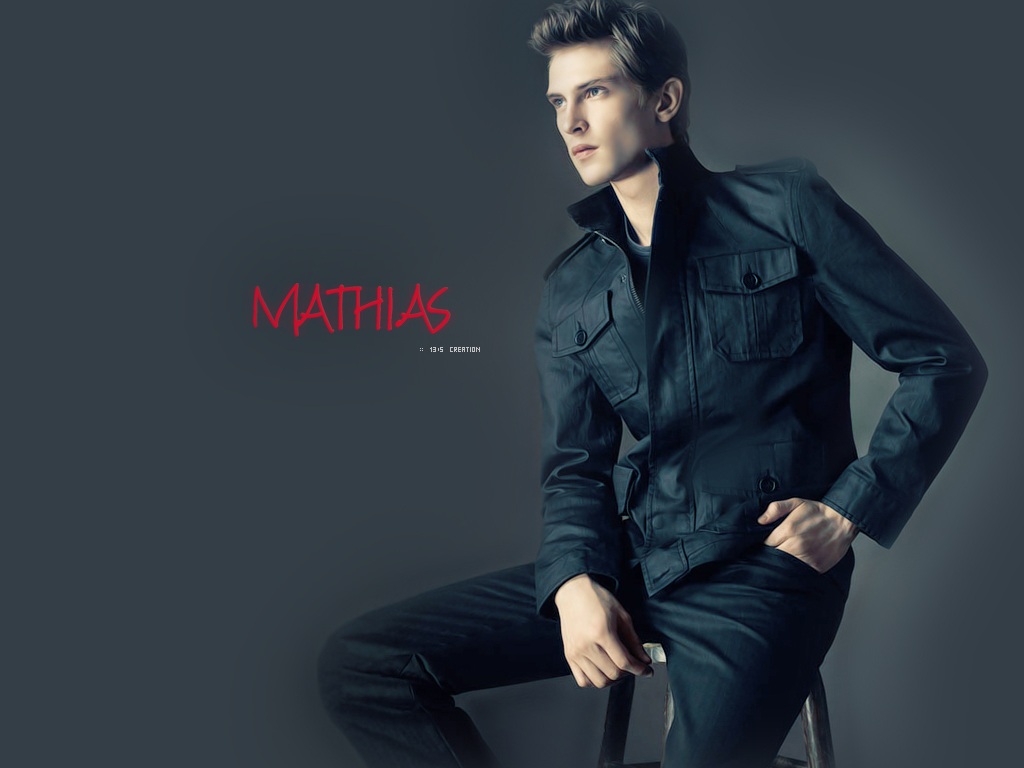
Welcome astronauts ! :wave: :wave: :wave: Thanks ! to the unknown artist :heart: :heart:
-
I don´t know who made it, but: Thank you
-
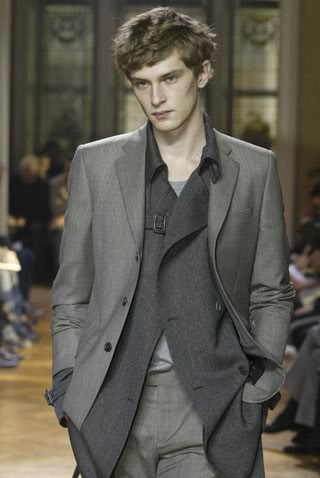
H&M :drool: :drool:
-
I think this is from Euroman March 2008 - "God Dag Far Ver" (Good Day, Colors) Ph. Dennis Stenild but I have never seen it before :shock: .......................

-
More about Mathias and Copenhagen: According to a Danish article posted here by me ( think it was last month) Mathias is from a Kopenhagen- Osterbro. I found an article about Osterbro : Østerbro By Jonas Langvad Nilsson The inhabitants of Østerbro (East Bridge) have the privilege of living by the Sound, where they take long strolls along the promenade on summer evenings, ice cream in hand. Østerbro, the third of Copenhagen’s so-called “bridge quarters,” is also one of the world’s most popular ports of call for luxury liners, which dock alongside the quay of Langelinie. Most of the newly arrived tourists eschew the local sites, opting instead for a beeline path to the bus that takes them directly to the sights of the Old City. But some choose to go exploring on their own, and Østerbro is a bonus they end up valuing highly. The first thing they notice is how peaceful and pleasant the area is. The air is clean and so are the streets. In Østerbro, you see elderly people sitting on benches in the sun, peeling apples with pocket knives, while women stroll around with baby carriages. If you are looking for a wild night out, this is not the place. Østerbro is tidy and discreet, and there is a good historical reason for it. After the old ramparts had been destroyed and the open land surrounding the city was developed for housing, Vesterbro and Nørrebro mushroomed at great speed in the second half of the 1850’s, while Østerbro grew at a somewhat slower pace. At that time, Østerbro was farther away from important trading squares than Vesterbro and Nørrebro, which is why it remained countryside for a longer period of time than its counterparts. When the district was eventually hit by growing pains in the 1880’s, the authorities had introduced stricter building legislation, requiring wider and brighter streets and a higher quality of housing. The authorities had learned their lesson from Nørrebro and Vesterbro, where speculators had built too many poor properties before the new legislation came into force. This legislative move still affects Østerbro, which has a higher number of well-to-do inhabitants in larger apartments than the other “bridge quarters.” The locals used to put pressure on the police in order to make them give out as few licenses to bars and pubs in the area as possible. It worked. On Fridays and Saturdays, people go to Vesterbro or Nørrebro if they are looking for a fun night out. Ask young people from the other “bridge quarters,” and they will tell you that Østerbro is neat and boring. Then ask someone from Østerbro, and they will tell you that that description is totally unfair – and their claim is not without foundation. In the last few years the area has changed. Affluent and well-educated people in their thirties move to Østerbro when they have children and want to catch a break from the hectic city atmosphere of Vesterbro and Nørrebro. The new clientele is reflected by the many new cafés, restaurants and fashion stores. Østerbrogade, the high street, is wide like a boulevard, while Nordre Frihavnsgade, which is where the locals do their shopping, has a more intimate feel. In Rosenvængets Allé you will find delicatessens and a wine bar called Panzón, which also serves tapas. There is something noble and controlled about Østerbro. This is not the place to go looking for the throbbing and provocative underground art scene. Østerbro is the home of established art. The Danish National Gallery is situated inside the park Østre Anlæg, and collectors go hunting for antiques and modern Danish furniture classics in the auction house Museumsbygningens Kunstauktioner (Kastelsvej 18). The finest attraction of the district is probably Kastellet, the most well-preserved fortification in all of Northern Europe. On the evening of Store Bededag, a Danish public holiday, the fourth Friday after Easter, you will see many Copenhageners going for a walk on the green ramparts before they head home to enjoy a warm “hvede”, a traditional bun named after the main ingredient, wheat. It’s one of the ancient traditions of the city, and in Østerbro they love a good tradition. The locals are lucky: not only is Østerbro close to the Sound, it also has the highest number of green parks compared to the rest of the city. Fælledparken is the green heart of the capital. This is where Copenhageners play football and enjoy the summer. Right next to this spacious park is Denmark’s national stadium, PARKEN, home field of the national football team. PARKEN also doubles as a large scale concert venue, where, from time to time, bands like The Rolling Stones come and make the coffee cups rattle in Brumleby, the idyllic small town of yellow townhouses situated right behind the stadium. But when the tour busses and the 45,000 concertgoers have left the premises, peace and quiet once more fall on Østerbro.
-
The Germans are to lazy to read subtitles
-
Hi Cuchulain, Dub versions are horrible. I am a fan of Alan Rickman, great actor with a wonderful voice, but the voices in the dub movies are mostly horrible. I like your banner Here´s the offical big version of the pic from ODB for you.
-
showcard f/w 09 fashionweek is going to start next week!!!!!!!!!!!
-
Hi Cuchulain, Poor girl- school starting again :yuckky: :yuckky: :yuckky: . But maybe there are some lessons during which you can dream a bit of Mathias just try to look as if you are interessted. Great that you have been in Copenhagen. Did you like it. From Scandinavia I only know Stockholm which I liked very much.
-
For Suzy : here are some pictures of Copenhagen Carlsberg Glyptothek, where Mathias got the fashion award last year
-
Hi Suzy, the Danish speak Danish and they normaly learn English and German at school. Then the Danish get all movies in the original language - which I know because I got Danish neighbours some years ago. In Germany foreign movies get a change and they are spoken by German actors in German . Thanks to the DVDs you can get the original versions now. To come back to Mathias, he is used to see all the Hollywood movies with subtitels from early childhood. I don´t know when they start to learn English in Denmark and after all he works in the USA a lot. And as we all know he is a very clever guy!!!! which makes him even more attractive :heart: :heart: :heart: Besides English, German and Danish are related languages which make it easier .
-
Hi Suzy, I think I remembered your question, because I thought the same when I saw the pic for the first time. Now we got this wonderful interview, including Jeremey ( his fans will be happy) and I am still drooling :blush: :blush:about Mathias!
-
Yes, this pic is a repost :evil: . I remember when it was posted someone here or at modelhomme asked: " where´s the interview ? " Now we got the World Fashion TV Interview . Can´t rember how often I saw it now .
-
Question to all who´s native language is English : for me Mathias English sounds great, but I am a German with a horrible German-English, so how good is Mathias´English?
-
Thanks Faith! :hug:
-
I was not sure if it was the server or my old computer. A new video of Mathias is a good start for 2009 !!!!!!!!
-
Hi Faith, then you are loading it to youtube already, that`s great because I am still loading it down . Please give us the link as soon as possible. The http://6.cn/watch/10826882.html video takes a long time to load after 15 minutes I have not seen the whole video. But I know one thing already Mathias is so :drool: :drool: :drool: worthy on it :heart: :heart: :heart: :heart: :heart:
-
Hi Faith, wish you a wonderful 2009 !
-
Thank you facemaker, you are the greatest ! I never thought we get something new before the fashion week . “it reminds you how long you ve been to this business when you see guys at that age you were when you started it up. so it's...eh... I feel lucky for be in it for so long, but at the same time it's a bit scary to see how time flies. ” Mathias http://6.cn/watch/10826882.html Currently I am loading it down ( still waiting) and I will load it up to youtube if no one did it before.
-
Hi Nic, Love and my best wishes for 2009 ! Thanks for the wallpaper! :heart:
-
special greetings to Mathias and his family !
-
THANKS ! :heart: :heart: